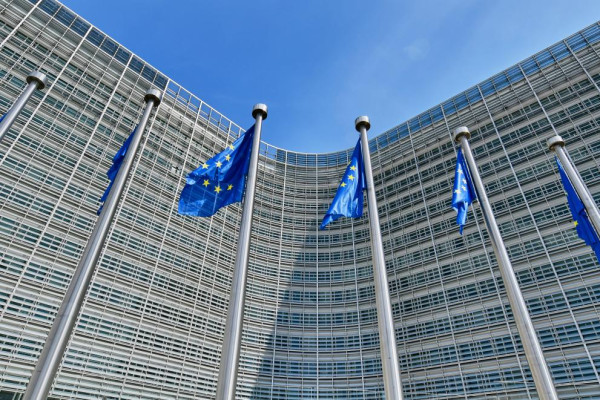
The European Commission has raised concerns over significant delays in projects funded through Greece’s Recovery and Resilience Facility, warning that problems in energy, healthcare, and social housing threaten to derail the program’s timeline. A high-level delegation led by Declan Costello, Deputy Director-General for Economic and Financial Affairs, and Céline Gauer, head of the Commission’s Support Group for Structural Reforms, visited Athens this week to review progress on the “Greece 2.0” plan.
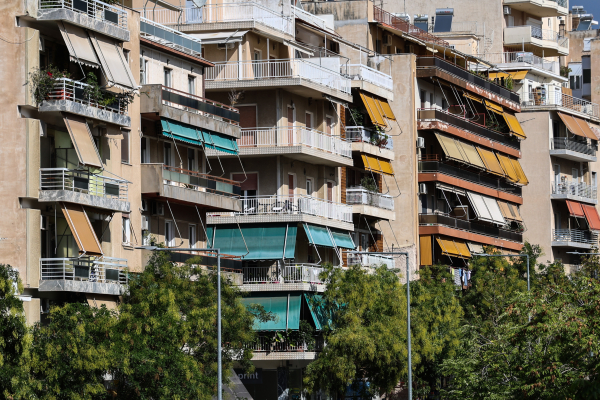
The mission found that some of the most vulnerable projects include the government’s social housing scheme, the renovation of 18 hospitals, and upgrades to more than 150 primary healthcare centers. These initiatives face technical and administrative obstacles that make it unlikely they will be finished by mid-2026, the program’s official deadline. In the energy sector, carbon capture and storage projects were singled out as problematic, with particular difficulties surrounding the underground storage facility being developed at Prinos by the company Energean.
Brussels has made clear that Greece must now act swiftly and decisively. Officials stressed that any revisions to the plan must be carefully targeted and that deadlines must be strictly observed, since there is no room left for delays. The revision process is expected to conclude within weeks, allowing projects deemed unfeasible to be withdrawn from the recovery fund and, where possible, transferred to the EU’s structural funds. Resources freed up from cancelled projects are likely to be redirected to existing initiatives that are on track for timely completion.
The pressure is mounting because Greece must continue to meet milestones in order to secure the seventh tranche of funding, worth €3.5 billion—comprising €1.7 billion in grants and €1.8 billion in loans. Commission officials underlined that no extension, formal or informal, will be granted. At the same time, they expressed cautious optimism that Greece can still avoid losing money if the government adheres strictly to its commitments and new obstacles do not emerge.
Greece is still due to receive €11.5 billion from the fund in future payments, including €5.5 billion in grants and €6 billion in loans. Around 70 percent of the required reforms have already been completed, according to Commission estimates. The upcoming revision will not only shift investments toward projects that can realistically be delivered but also streamline the program’s milestones and targets.
Although concerns remain in Athens over how effectively the €17.8 billion loan facility will be used, European officials suggested that conditions are improving.