
Despite outlining relief measures, a clear majority of respondents said they do not expect any improvement in their financial situation, highlighting a growing disconnect between government announcements and everyday realities in Greece.
The latest survey by Opinion Poll shows New Democracy leading with 22.6 percent of voting intentions, more than doubling PASOK’s 10.4 percent. Smaller parties trail behind, with Zoe Konstantopoulou’s Sailing for Freedom at 8.7 percent and the far-right Greek Solution at 8.5 percent, followed by the Communist Party on 5.5 percent. Strikingly, SYRIZA, the party once led by former prime minister Alexis Tsipras, has slumped to just 3.1 percent. Almost one in six voters remains undecided.
When results are adjusted to valid votes, New Democracy rises to nearly 25 percent, while PASOK slips to 11.4 percent. In vote estimates, Mitsotakis’ party is projected to reach 30.5 percent, a lead of 16.5 points over PASOK. The contest for third place is close, with Sailing for Freedom and Greek Solution almost tied at around 11 percent each. SYRIZA continues to hover near political irrelevance.
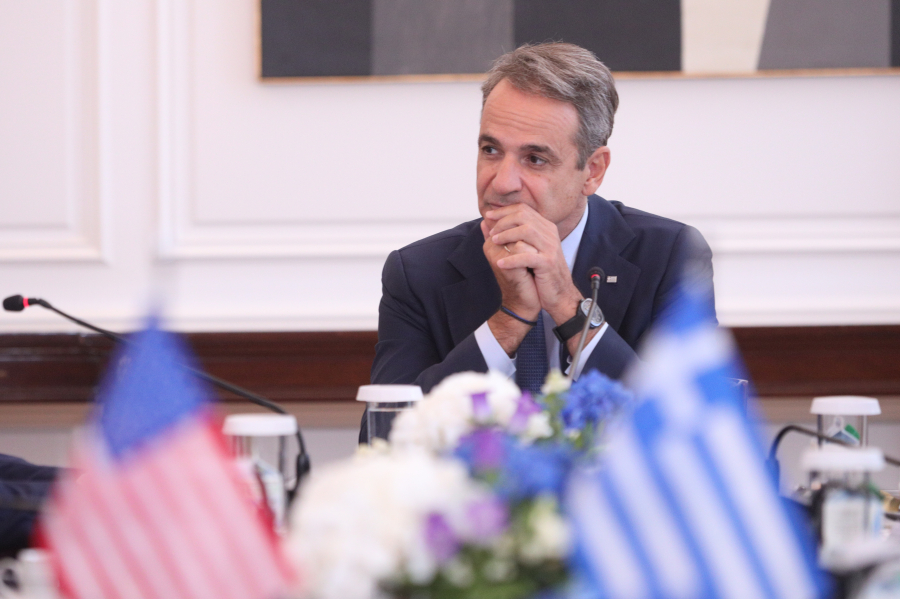
Asked about leadership, nearly one in three Greeks answered that “no one” is suitable to be prime minister. Mitsotakis was chosen by 27.9 percent, while PASOK’s Nikos Androulakis and Konstantopoulou trailed in single digits. Dissatisfaction is also widespread with the opposition: over 60 percent of respondents said they are “not at all satisfied” with PASOK’s performance.
The government’s economic package is seen as inadequate. Nearly two-thirds of respondents believe the measures will not improve their household finances, while only one in twelve expects significant relief. Inflation and the rising cost of basic goods remain by far the top concern.
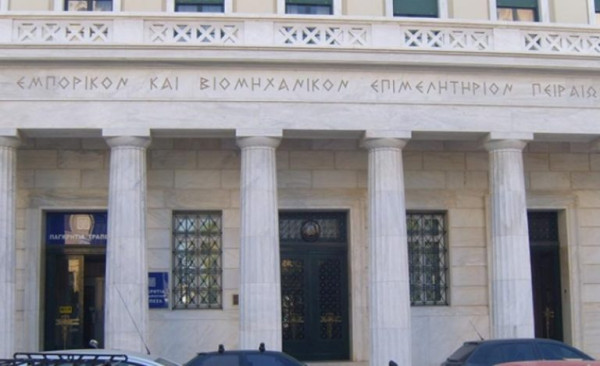
A separate MRB survey for the Athens Chamber of Commerce underlined this frustration, showing that although the measures are valued at more than €1.2 billion for 2026, they are perceived as out of step with the real pressures facing families and businesses. For a household with two children earning €20,000 a year, the new tax scale provides just €600 in relief—about €50 a month—barely enough to cover a weekly supermarket trip. Singles on the same income would gain just €200 annually, or less than €17 per month.
The survey also revealed that almost 70 percent of citizens feel food costs are their greatest burden, with many households running out of income before the end of the month. Even larger tax breaks, such as those aimed at families with four children, mainly benefit higher earners. Almost half of respondents reported cutting back on food, healthcare, and education to cope with rising expenses.
Small and medium-sized enterprises share the same skepticism. More than seven in ten business owners say the government’s measures do not help them, pointing instead to chronic problems such as lack of liquidity, high operating costs, and mounting debt. A reduction in VAT on food, demanded by nearly three-quarters of respondents, was excluded from the government’s package, reinforcing the impression that the measures fail to address the most pressing needs of households and the market.
Meanwhile, Tsipras continues to cast a shadow over Greek politics. A quarter of respondents said they could consider voting for a new party led by him, though only 6.5 percent would “definitely” do so. Nearly half believe he would be unable to defeat Mitsotakis in a future election, and almost half view the idea of him launching a new political vehicle negatively.