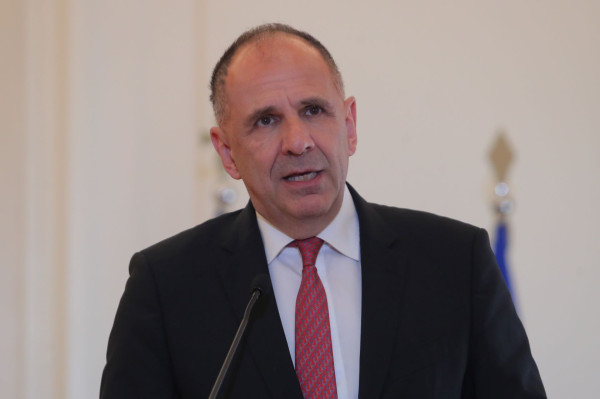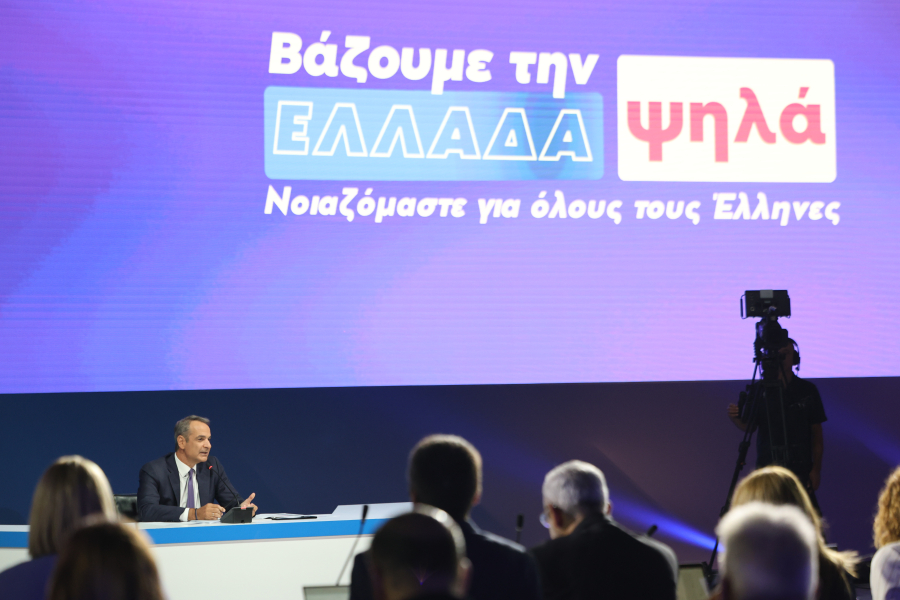

Greece’s opposition parties unleashed a barrage of criticism after Prime Minister Kyriakos Mitsotakis’s Sunday press conference at the 89th Thessaloniki International Fair, a set-piece event akin to a State of the Union where Greek leaders outline priorities and field questions. They accused the conservative premier of unveiling a program riddled with gaps, downplaying scandals, and ignoring a cost-of-living crisis that has strained households.
PASOK–KINAL spokesman Kostas Tsoukalas portrayed Mitsotakis as “glued to the seat of power,” presiding over a system that fosters inequality, corruption and impunity.
He argued the government has minimized allegations surrounding OPEKEPE, the state agency distributing EU farm funds, and irregularities in a rail remote-control contract, while simultaneously “weaponizing” its parliamentary majority to constrain judicial scrutiny. Tsoukalas welcomed the prime minister’s stated openness to strengthening independent authorities but questioned his sincerity, citing past efforts to influence their composition. He also faulted what he called ambivalence over the planned Greece - Cyprus electricity interconnector, asking how a long-gestating, strategic project could proceed “without a plan and completion guarantees,” and criticized the government’s stance toward Turkey. On domestic issues, he said Mitsotakis was out of touch on prices and rents, noting the premier’s suggestion that co-living could ease housing pressures.
The left-wing SYRIZA-Progressive Alliance said the appearance “confirmed the need” for the prime minister to resign. The party accused him of ignoring or refusing to implement EU rules that would allow targeted VAT relief, while relying on high indirect taxes that disproportionately hit low and middle incomes. It framed New Democracy as overseeing the “largest tax squeeze” since Greece’s return to democracy in 1974 and listed what it called a drumbeat of scandals-from agriculture funds to public-works contracts - coupled with parliamentary maneuvers to limit ministerial accountability. SYRIZA linked the housing crisis to the absence of a public social-housing strategy and to programs it says channeled Recovery Fund money into bank mortgages. On education, it accused the government of inconsistency over the expansion of private universities.
The Communist Party (KKE) condemned what it described as media exclusions at Thessaloniki and said the government’s labor agenda points toward “13-hour workdays,” calling such flexibility a boon for large employers and coercive for workers. It also criticized Athens’s position on the Gaza war and accused the state of being absent during recent wildfires.
From the smaller Movement of Democracy, the prime minister’s remarks were cast as detached from everyday realities. The group dismissed claims that food prices are easing and said profiteering persists in electricity retail. It argued that the government’s timeline for tax relief is remote, that VAT policy sustains inflationary pressure, and that the administration minimizes the political damage from ongoing investigations.