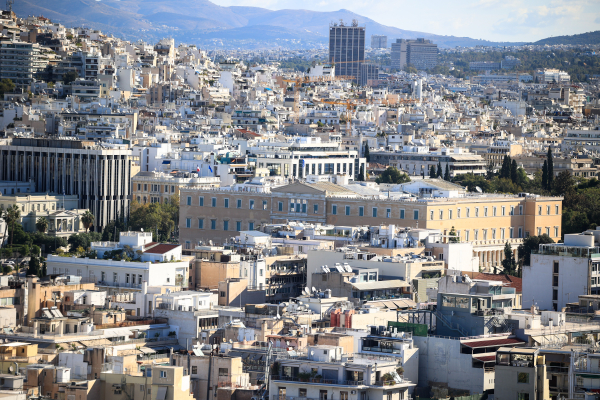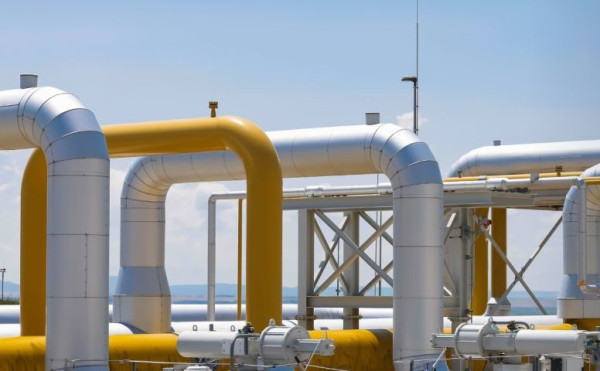
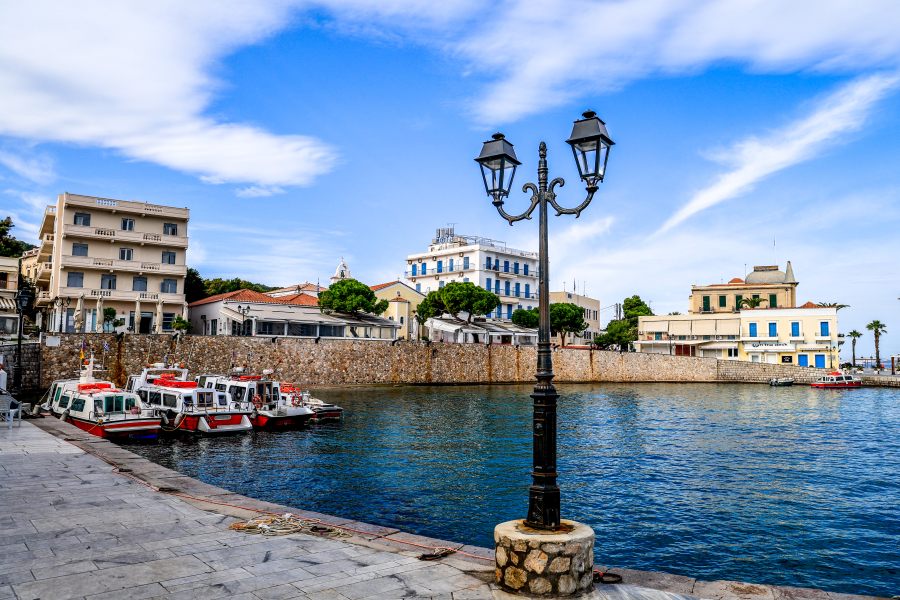
Water shortages in Spetses, sewage treatment failures in Patmos and Mykonos, repeated power cuts, waste management breakdowns, and overcrowded ports with outdated facilities all underscored the gap between booming visitor numbers and the capacity of essential services. Flight delays, too, highlighted the strain, with insufficient staff and outdated systems compounding the problems.
Beyond these visible failures, structural weaknesses remain. Illegal landfills continue to operate, tourist buses clog island roads in the absence of proper parking, and long-delayed public works stall as small municipalities struggle to absorb funding or conduct the necessary technical studies.
The rapid growth in visitor flows, combined with the mounting pressures of climate change—water scarcity and extreme weather in particular—has outpaced the pace of development and maintenance of public infrastructure.
The contrast with the private sector is stark. Investors have poured billions into new hotels and luxury facilities, yet public services in key areas such as energy, water supply, sewage, transport, and healthcare have not kept pace. Land-use planning is also incomplete, creating uncertainty in construction and development, especially outside established zoning areas.
The sluggish absorption of European and national funds has prompted calls for a central or regional mechanism to step in, helping municipalities prepare studies and accelerate projects. At the same time, strategies to expand Greece’s tourist season and develop lesser-known destinations are undermined by heavy taxation and rising operating costs, pressures that weigh most heavily on small businesses and discourage further investment.