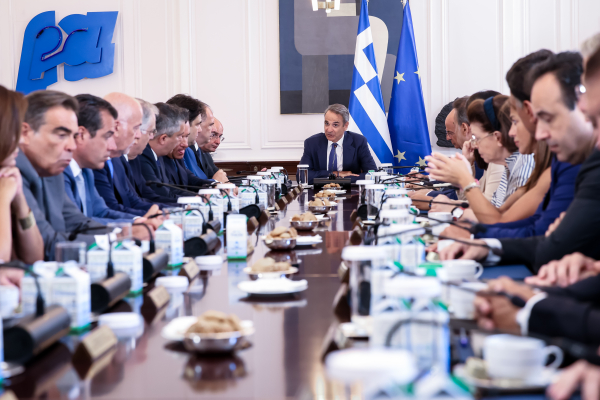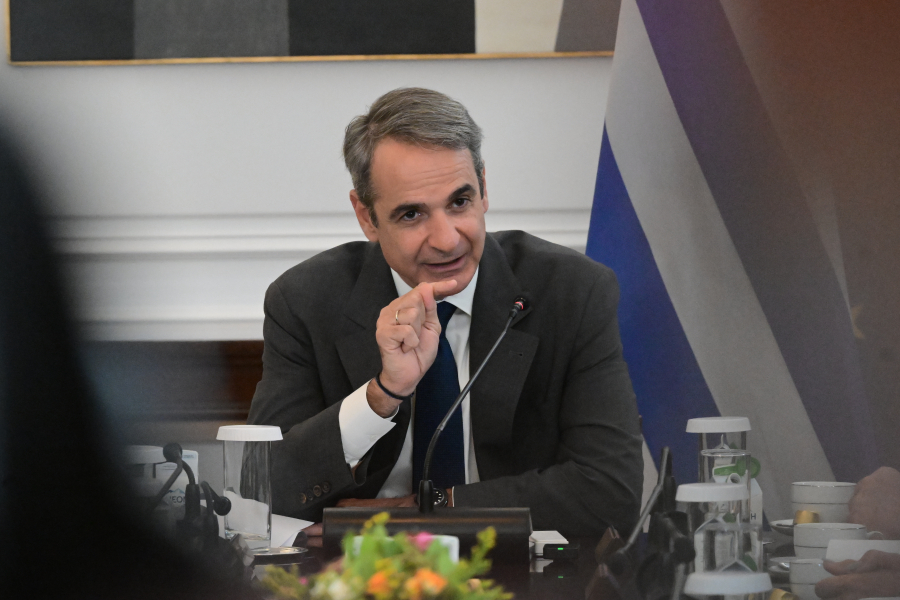

Greek Prime Minister Kyriakos Mitsotakis is facing mounting political pressure over his possible knowledge of a widening scandal involving OPEKEPE, the country's agency responsible for distributing EU agricultural subsidies. The case, now under investigation by the European Public Prosecutor’s Office, has sparked outrage across the political spectrum and could have serious implications for the stability of the Greek government.
At the heart of the scandal are allegations of widespread mismanagement and potentially fraudulent handling of EU subsidy funds. As details emerge from a voluminous case file now in Parliament, the key question dominating Greek political discourse is whether these actions took place with the knowledge of the prime minister. That question, and the lack of clear answers, is tightening the political noose around the government.
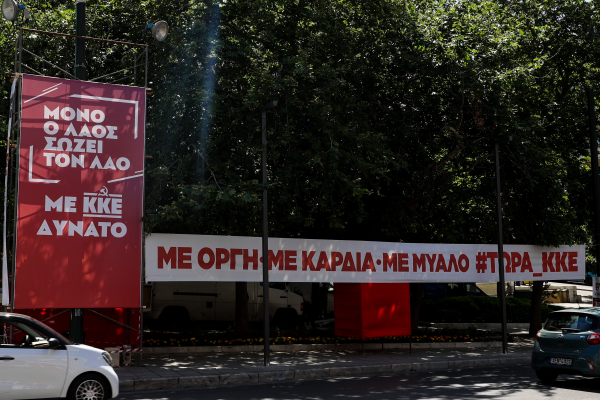
The opposition has seized on the moment, with the leader of the main opposition party accusing Mitsotakis of direct responsibility and demanding specific clarifications. SYRIZA, the left-wing opposition party, has gone further, calling for the prime minister’s resignation, snap elections, and an immediate preliminary investigation to hold all individuals named in the case accountable. Other parties have echoed these concerns. The Communist Party described the scandal as indicative of a "rotting" system, while the New Left formally requested access to audio recordings referenced in the court file. Freedom Sailing, another parliamentary group, has demanded to know why it took so long for the case file to be forwarded to Parliament.
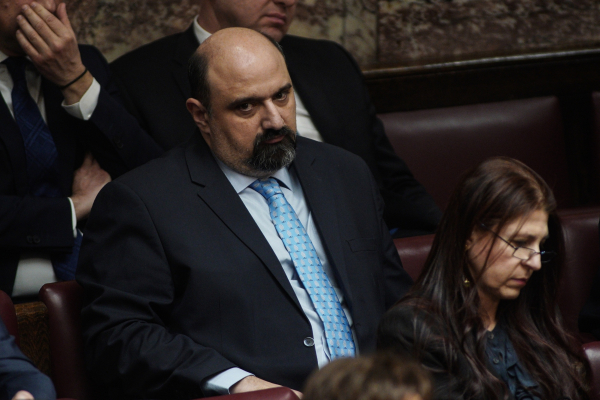
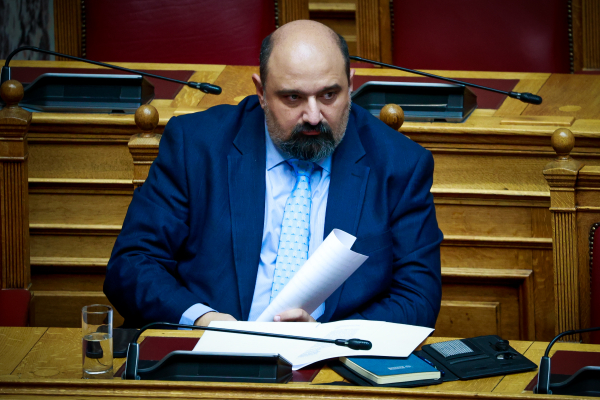
The government's defense has been shaky. Despite public denials from government spokesman Pavlos Marinakis, suggestions that the prime minister had early knowledge of the affair are growing. Christos Boukoros, a former deputy minister who recently resigned, has added fuel to the fire. Boukoros is heard in wiretapped conversations with an OPEKEPE official, part of the case file now in legislative hands. He has claimed his involvement was limited to relaying a request on behalf of a gravely ill small-scale farmer, insisting that he caused no harm to the public and did not influence any funding decisions.
In a television interview, Boukoros revealed he had known about the investigation for over a year and that he had been tipped off by government insiders. According to his account, these insiders also told him that the Prime Minister’s Office—referred to in Greece as the Maximos Mansion—was aware of the situation at OPEKEPE. Boukoros claimed his conversations were taken out of context and that a full transcript would show a desperate citizen seeking help. “If I have to apologize for that phone call, I will—and I assume full political responsibility,” he said.
As the political fallout intensifies, the government is also struggling with the practical question of how to pay a €415 million fine linked to the case, without passing the cost on to Greek taxpayers. The notion of including the penalty in the state budget has already provoked significant public backlash. In response, officials have floated three possible approaches: legally challenging the fine, pursuing legal action and asset seizures against those found guilty of wrongdoing, and spreading the payment over three years in an effort to defuse public anger.