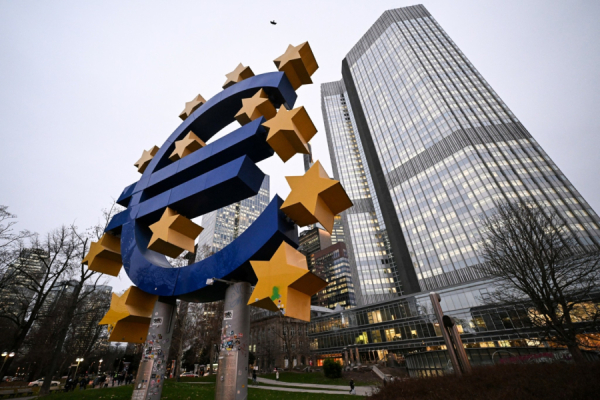
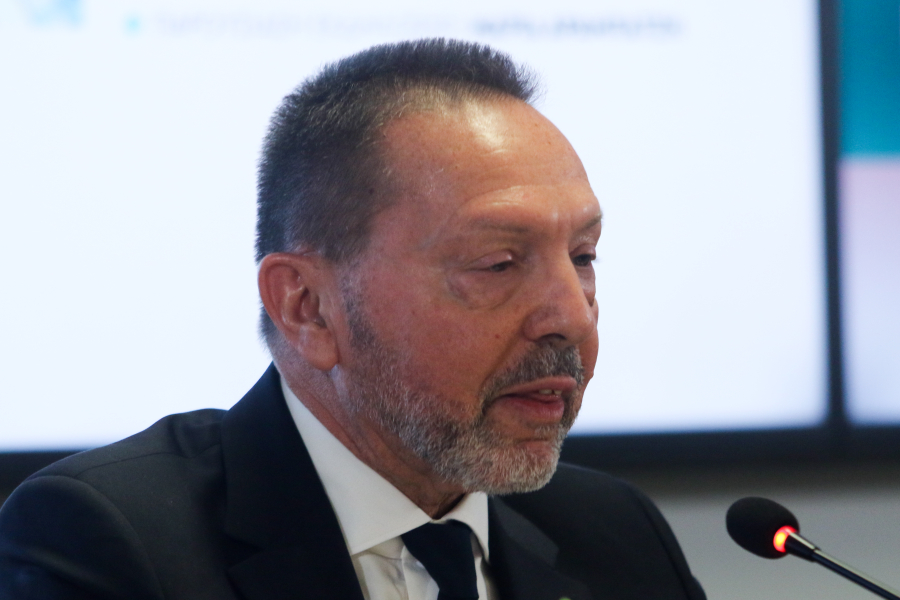

Speaking at an event marking the 25th anniversary of Greece’s adoption of the euro, Stournaras reflected on the significant benefits the country has gained while also acknowledging the formidable challenges it faced in the process.
Stournaras highlighted that Greece’s path to the euro was not an easy one. It required a disciplined and sustained effort over six years, from 1994 to 2000, particularly during the latter half of that period. This journey was further complicated by external crises, including the 1996 military standoff with Turkey over the Imia islets, the 1997–98 financial crisis in emerging markets, the devastating earthquake that struck Athens in 1999, and the Kosovo war later that same year. Despite these challenges, the country remained committed to its goal of joining the Eurozone.
The success of this endeavor, Stournaras argued, was due to a combination of clear objectives, strong political leadership, pragmatic policy choices, and a commitment to economic stabilization. The Greek government prioritized meeting the five economic criteria, despite initial resistance to placing nominal convergence over real economic growth. Over time, it became evident that fulfilling these conditions was essential for long-term stability and prosperity. Beginning in 1994, successive economic programs recognized the importance of fiscal discipline, an idea that was not widely accepted in Greece at the time.
Political leadership played a crucial role in driving this effort forward. The same core team, comprising officials from the Ministry of National Economy, the Finance Ministry, and the Bank of Greece, remained responsible for implementing the plan throughout the process. After the election of Kostas Simitis as Prime Minister in 1996, the government's determination became even stronger. Simitis provided unwavering political support to the economic team, even when unpopular measures were introduced, such as tax reforms that targeted high-income earners in an effort to reduce the budget deficit.
Greece also adopted a pragmatic approach to economic policy, avoiding rigid ideological positions and instead using flexible fiscal, monetary, and structural policies to navigate its challenges. This strategy helped debunk long-standing economic myths in Greece, such as the belief that inflation could never fall below 10% or that economic stability and growth were incompatible. Contrary to these fears, Greece managed to achieve both economic stabilization and rapid growth simultaneously.
Throughout this period, the government also maintained a focus on social and economic development. Despite implementing strict fiscal policies, Greece achieved high growth rates, increased social spending as a percentage of GDP, improved tax fairness, and reduced tax evasion. Real wages continued to rise within the limits of productivity growth, which helped secure public acceptance of the economic reforms. While European Union funding played a role in supporting development, the primary driver of Greece’s growth was a surge in private investment, made possible by falling interest rates, economic stability, and improved investor confidence.
By 2004, Greece had closed much of the economic gap with the rest of the Eurozone, with its per capita GDP rising from 66% of the European average in 1996 to 72% in 2004. For the first time in decades, economic policy was not disrupted by election cycles, a problem that had repeatedly derailed previous efforts at economic stability.
Stournaras described Greece’s entry into the Eurozone as the most significant economic achievement in the country’s modern history. Beyond the economic benefits, it cemented Greece’s position at the heart of European decision-making and eliminated the currency instability that had plagued the country for much of its history. Even today, many smaller economies, both within and outside the European Union, face similar monetary challenges. The continued appeal of the euro is evident, with Croatia becoming the latest country to join the Eurozone in January 2024. Meanwhile, countries such as Sweden and Denmark, though not members of the Eurozone, closely align their monetary policies with the euro to maintain economic stability.
Looking back, the benefits of Greece’s Eurozone membership became even more apparent during the country’s financial crisis in the 2010s. When Greece faced the threat of default, European institutions and governments intervened, refinancing nearly all of its public debt under exceptionally favorable terms, ensuring its sustainability for years to come. In total, Greece received the largest financial assistance package ever recorded as a percentage of GDP under the most favorable conditions possible.
Stournaras concluded by emphasizing that Greece’s Eurozone accession required difficult sacrifices, but it ultimately provided the country with the economic stability and political influence that would have been impossible to achieve otherwise.