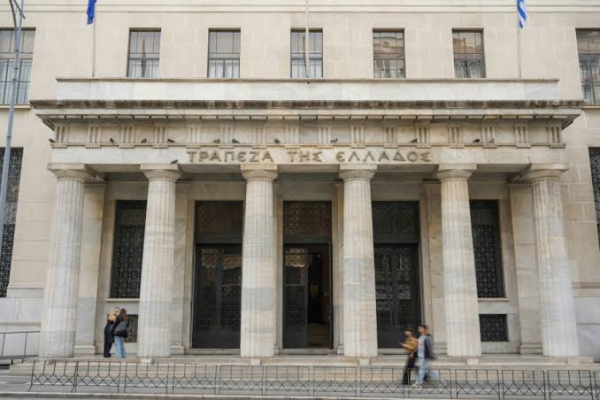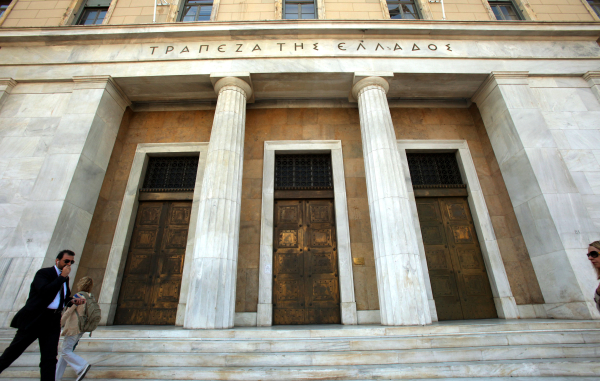
The Bank of Greece is introducing stricter monitoring requirements for banks and financial institutions trading bonds and other securities, requiring daily reconciliation of holdings and real-time transaction updates as part of an overhaul of the country's securities settlement framework.
The new rules, which take effect Nov. 30, 2026, are designed to strengthen operational controls and improve the accuracy of records within Greece's electronic securities system.
Under a regulatory decision signed by central-bank Governor Yannis Stournaras, participating institutions must reconcile their internal securities records with balances maintained in the central bank's book-entry securities system every business day.
ΔΙΑΒΑΣΤΕ ΕΠΙΣΗΣ



Any discrepancies must be identified and reported immediately to the Bank of Greece, along with the necessary explanations.
The requirement is intended to ensure that securities recorded on banks' balance sheets correspond to holdings registered in the central securities infrastructure, reducing the risk of accounting errors and settlement mismatches.
For example, if a bank's internal records show a €10 million bond portfolio but the central system reports a different securities balance, the institution would be required to investigate the discrepancy and promptly notify the central bank.
The revised framework also introduces real-time notifications covering pending, completed and unsettled transactions.
Financial institutions will receive updates through the international SWIFT financial messaging network or the system's online platform.
Following the completion of daily settlement through TARGET2-Securities, the European platform used to settle securities transactions, participants will receive detailed statements of their accounts and transaction activity.
The changes also provide greater flexibility in managing securities accounts. Institutions experiencing temporary technical or operational difficulties may request additional accounts for limited periods, subject to approval by the system operator.
The measures reflect a broader effort to modernize Greece's financial-market infrastructure and align operational procedures with the requirements of Europe's integrated securities settlement environment.