Global oil prices fell sharply Wednesday amid expectations of a possible easing of tensions between Washington and Tehran, but Greek consumers continue to face some of the highest electricity costs in recent years.
U.S. West Texas Intermediate crude dropped nearly 9% to $87.59 a barrel, while Brent declined more than 9% to $93.91. European natural-gas prices, meanwhile, stood at €84 per megawatt-hour at the Dutch TTF trading hub.
The movements followed U.S. midterm elections in which Democrats secured control of Congress, prompting market speculation about the prospects for a diplomatic agreement with Iran. Vice President JD Vance attributed Republican electoral losses to the war.
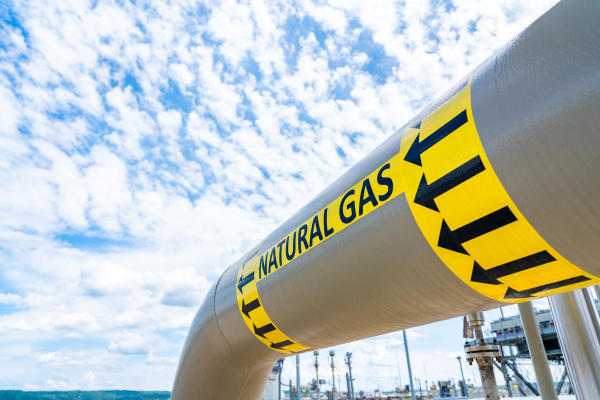
Oil and natural gas, however, operate in distinct markets. While geopolitical developments can influence both, European gas prices depend heavily on regional supply, storage levels, liquefied-natural-gas imports and seasonal demand. Oil-price declines therefore don't necessarily translate into lower European electricity costs.
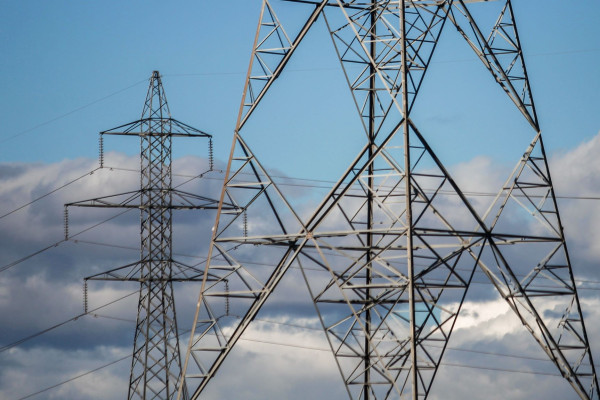
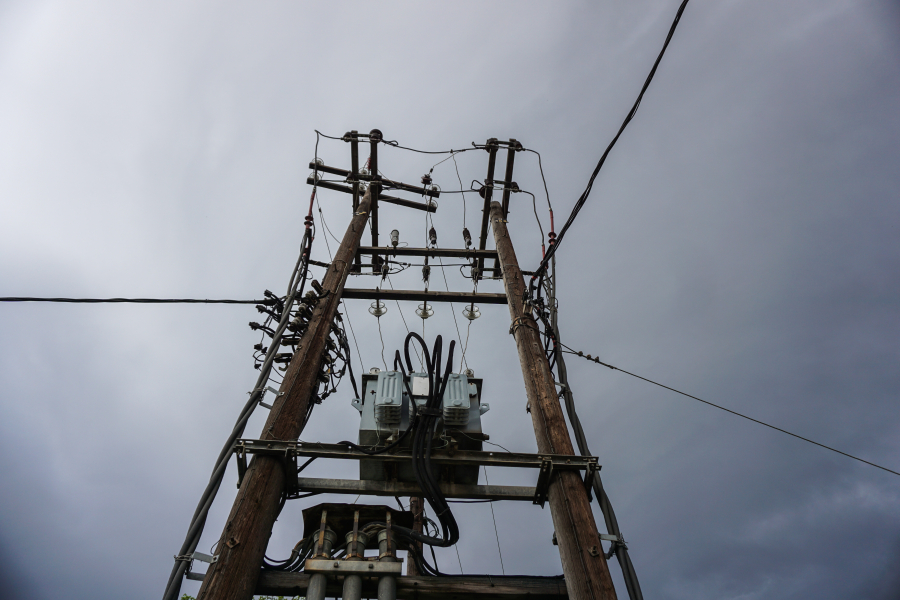
In Greece, wholesale electricity prices remains elevated at €293.37 per megawatt-hour.
The average price during November's first four days exceeded €280 per megawatt-hour, almost €100 above October's average.
Electricity futures also pointed to sustained pressure, with November contracts trading at €264.75 per megawatt-hour and December contracts at €259.79.
The impact is increasingly visible in household bills.
Approximately three million Greek households remain on variable electricity tariffs, known locally as "green tariffs," with average November charges reaching €0.28 per kilowatt-hour.
That is 87% higher than the roughly €0.15 per kilowatt-hour consumers paid during the 2022 energy crisis after government subsidies.
Fixed-price contracts currently offer lower rates, although their future pricing will depend partly on suppliers' procurement costs.
For Greek households, the key question is whether any sustained decline in European gas prices will eventually ease electricity costs.
Winter demand, domestic power-generation conditions and wholesale-market dynamics will determine how quickly that relief, if any, reaches consumers.