The European Commission accused Turkey of obstructing a strategic electricity project linking Greece and Cyprus and warned of worsening democratic standards, prompting Ankara to reject the findings as politically biased and legally unfounded.
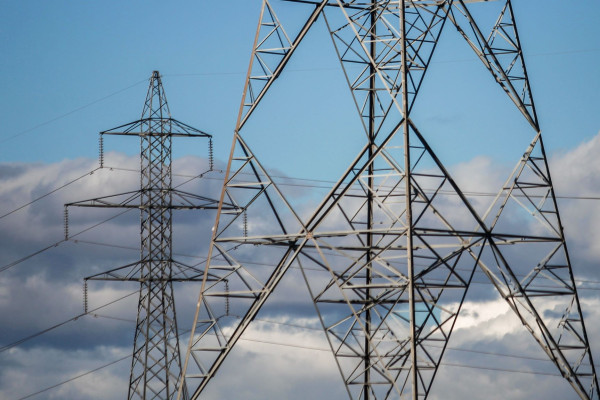
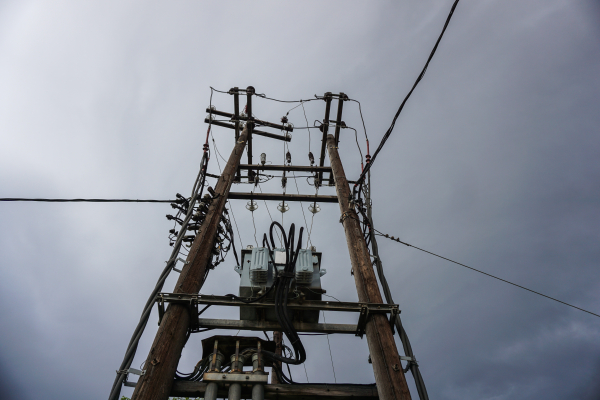
In its annual assessment of Turkey’s progress toward European Union membership, the Commission said Ankara continued to interfere with surveys for the Great Sea Interconnector, an undersea electricity cable intended to strengthen energy security and connect Cyprus more closely to Europe's power grid.
The report also criticized Turkey's maritime claims in the Eastern Mediterranean, including its 2019 agreement with Libya establishing disputed maritime boundaries.
Brussels said the agreement violated the sovereign rights of third countries, conflicted with international maritime law and could not produce legal consequences for other states.
The Commission further highlighted Turkey's longstanding *casus belli* threat against Greece, under which Ankara has warned that extending Greek territorial waters in the Aegean Sea to 12 nautical miles could trigger military action.
It also cited increased Turkish military overflights of Greek islands, disputed maritime activities and continuing tensions around Cyprus.
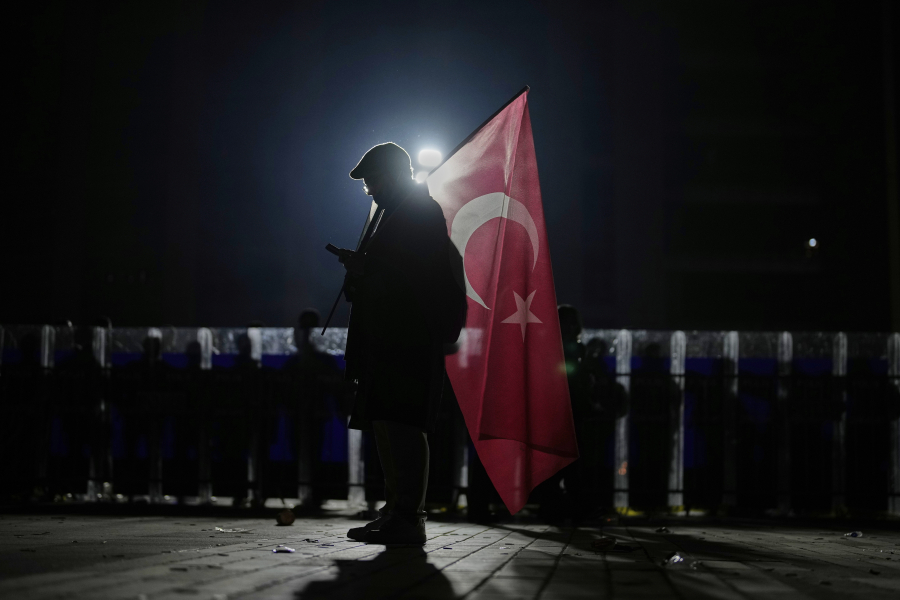
Beyond regional security, the report painted a troubling picture of Turkey's domestic political trajectory.
The Commission warned that arrests and prosecutions of opposition politicians, journalists, activists and elected officials intensified in 2026, deepening concerns over judicial independence and fundamental rights. Turkey's EU accession negotiations have effectively remained frozen since 2018.
Ankara rejected the assessment, accusing Brussels of applying double standards and unconditionally supporting Greek and Greek Cypriot positions.
Turkey's Foreign Ministry said the report ignored its legitimate maritime interests and dismissed the Commission's objections to the Turkish-Libyan agreement as having no legal validity.
The dispute comes amid renewed tensions over the Greece-Cyprus electricity connection.
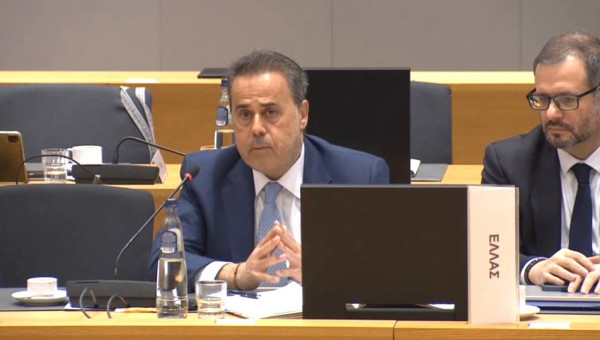
Greek Foreign Minister George Gerapetritis said Athens would neither seek Turkish permission nor formally notify Ankara before conducting maritime surveys, although he left open the possibility of informal communication.
His comments followed Turkish Foreign Minister Hakan Fidan's request for written notification of survey activities and vessel coordinates.
The exchange underscores the geopolitical risks surrounding the energy project, as competing maritime claims threaten infrastructure development in the Eastern Mediterranean.
For Brussels, the confrontation highlights the widening gap between Turkey's strategic importance to Europe and its increasingly strained relationship with the bloc.