Greece’s consumer confidence index fell to minus 48.9 points from minus 41.6 in September, according to the latest survey by the Foundation for Economic and Industrial Research (IOBE) and the European Commission.
The reading was the weakest among the EU’s 27 member states, significantly below Romania’s minus 33.2 and Bulgaria’s minus 29.1. The EU average stood at minus 17.3, while the eurozone recorded minus 17.9.
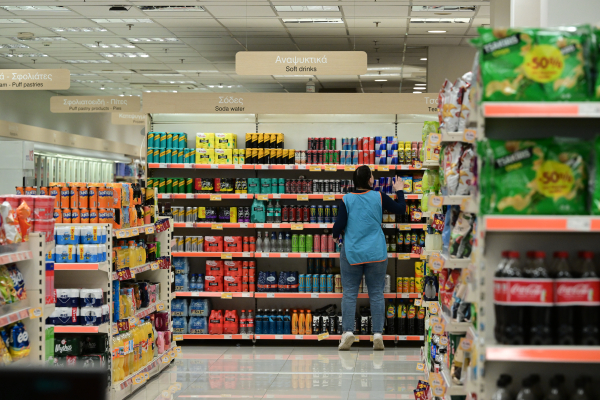
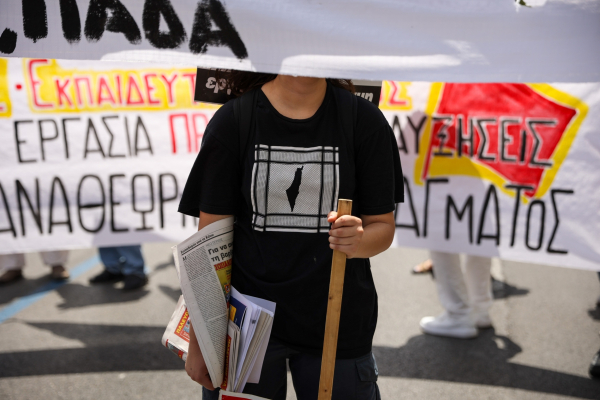
The findings highlight the disconnect between Greece’s broader economic recovery and the financial pressures facing households, with consumers increasingly reluctant to spend or save.
Nearly two-thirds of Greek households, or 63%, reported barely making ends meet, up from 58% in September. Another 11% said they were drawing on savings, while 5% reported accumulating debt.
Expectations for the coming year also worsened. Some 63% of households anticipate a deterioration in their financial situation, compared with 55% a month earlier, while 70% expect the country's overall economic conditions to weaken.
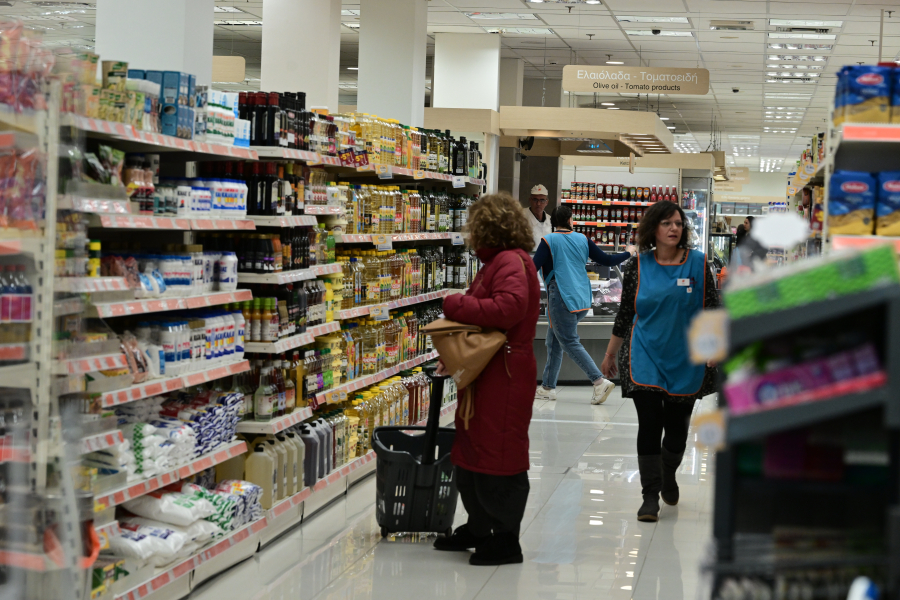
Inflation remains a major concern. More than two-thirds of respondents expect prices to rise at the same or a faster pace over the next 12 months, pushing the corresponding expectations index to 44.6 from 35.0 in September.
The deteriorating outlook is weighing on spending plans. Some 52% of consumers intend to reduce purchases of major household items, including furniture and appliances, while 85% consider saving money over the next year unlikely.
Housing-related spending also appears particularly weak. Just 1.5% of households indicated they might purchase or build a home within the next 12 months, while only 5.1% expect to undertake significant home improvements. Uncertainty is rising alongside pessimism, with 61.2% of households reporting difficulty predicting their future financial circumstances, up from 52.4% in September.