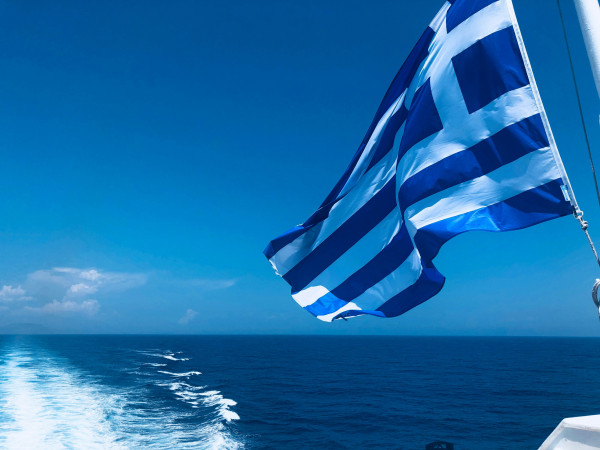
Greece and Egypt agreed to pursue an expansion of their maritime-boundary agreement, pushing back against Turkey's growing influence in the eastern Mediterranean after Libya's parliament approved a controversial maritime deal with Ankara.
The move signals renewed tensions over control of potentially energy-rich waters in a region where competing territorial claims have long complicated relations among NATO allies and neighboring countries.
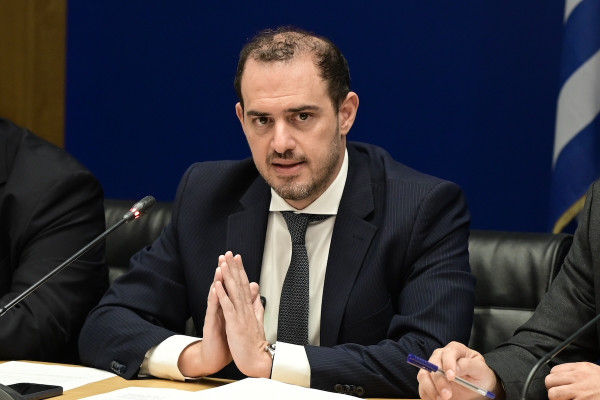
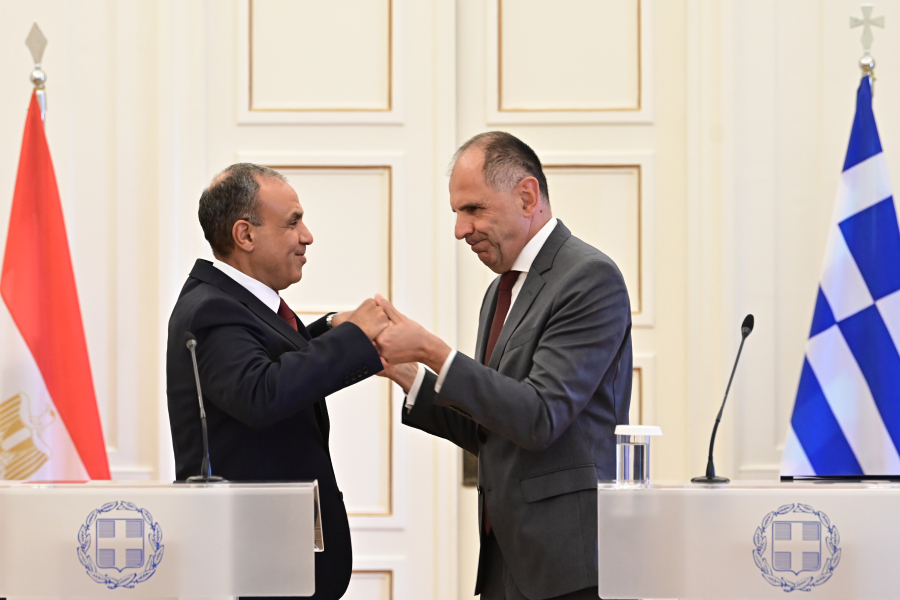
Greek Foreign Minister George Gerapetritis and his Egyptian counterpart, Badr Abdelatty, discussed the developments in a telephone call Thursday, following the Libyan House of Representatives' ratification of a 2019 maritime-boundary memorandum between Turkey and Libya.
ΔΙΑΒΑΣΤΕ ΕΠΙΣΗΣ


The parliament, based in eastern Libya and traditionally aligned with military commander Khalifa Haftar, had previously maintained closer ties with Cairo than with Ankara. Its approval marks a significant diplomatic development for Turkey.
According to Greece's Foreign Ministry, the two ministers categorically rejected the ratification, emphasizing the importance of international law and the United Nations Convention on the Law of the Sea.
They also agreed to continue negotiations aimed at extending the geographical scope of a partial exclusive economic zone agreement signed by Greece and Egypt in August 2020.
The agreement was originally designed to counter Turkey's maritime claims in the eastern Mediterranean.
An exclusive economic zone, or EEZ, grants coastal states rights to explore and exploit natural resources, including offshore oil and gas, within designated maritime areas.
The 2019 Turkey-Libya memorandum established maritime boundaries that Greece argues disregard the rights of Greek islands, particularly Crete. Athens and Cairo consider the agreement incompatible with international maritime law, while Ankara maintains that its claims are legitimate.
Egypt's Foreign Ministry confirmed that both countries would coordinate their positions and pursue further maritime delimitation talks in accordance with international law.
The renewed diplomatic initiative follows years of cooperation between Athens and Cairo over maritime sovereignty and regional energy security.
In December 2022, Egypt unilaterally established its western maritime boundary with Libya, reinforcing its competing claims in waters also covered by the Turkish-Libyan agreement.
The latest developments come as Turkey has sought to rebuild relations with Egypt following years of diplomatic estrangement.
Libya's parliamentary approval could complicate that rapprochement by reviving disputes over maritime boundaries and offshore energy rights.
For Greece and Egypt, expanding their 2020 agreement would strengthen their legal and diplomatic positions while signaling resistance to Ankara's efforts to reshape maritime boundaries in the eastern Mediterranean.