Greece is turning to the military to coordinate its response to a prolonged foot-and-mouth disease outbreak on the island of Lesbos, an unusual intervention that highlights the mounting economic and administrative pressure from a livestock crisis that has lasted five months.
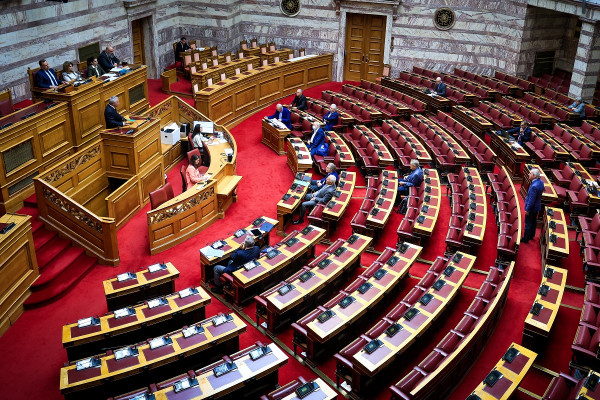
Under an amendment submitted to Parliament, the Ministry of National Defense would assume operational coordination of public agencies involved in containing the outbreak in areas subject to emergency measures. An Armed Forces officer appointed by the defense minister would serve as operational coordinator.
The decision marks a significant shift in Greece’s handling of an animal-disease emergency. While veterinary authorities would retain their scientific responsibilities, the military would coordinate operations on the ground, including animal movements, culling and sanitary burials, disinfection, checkpoints and the establishment of protection and surveillance zones.
ΔΙΑΒΑΣΤΕ ΕΠΙΣΗΣ


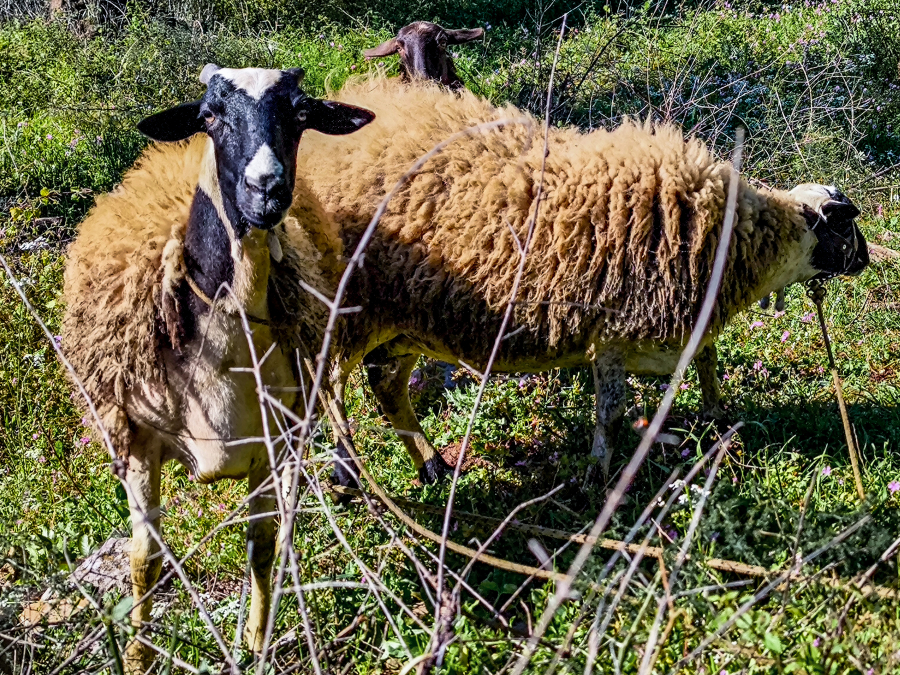
The measure comes amid escalating anger among livestock farmers on Lesbos, an island in the northeastern Aegean where sheep and goat farming and dairy production are important pillars of the rural economy.
About 81,000 animals have been culled since the outbreak began five months ago, according to figures cited in connection with the crisis. Farmers say inadequate biosecurity measures, slow compensation and uncertainty over the government’s strategy have pushed many livestock businesses toward financial distress.
The proposed legislation would require government agencies involved in the response to cooperate with the military-appointed coordinator and comply with operational instructions. Failure by public employees to follow those instructions could constitute a disciplinary offense.
The Defense Ministry would also be allowed to deploy military personnel and equipment and gain access to relevant government and regional databases for disease tracing and containment.
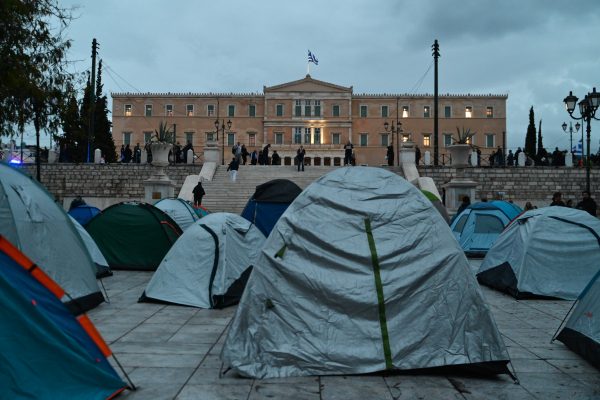
The intervention follows protests by livestock farmers and a tense emergency meeting of the North Aegean regional council. Farmers gathered outside the regional government headquarters demanding clearer answers from Athens about compensation, containment measures and the future of livestock production on the island.
The pressure has prompted the deputy minister for rural development to schedule a visit to Lesbos on Sept. 6.
Athens is also providing €3 million in emergency funding to the North Aegean regional authority. The money, drawn from the 2026 state-budget reserve, is intended to cover approved expenses related to controlling the disease.
It isn’t, however, direct compensation for farmers. Greece’s Ministry of Rural Development and Food will determine which expenses qualify and how the funding can be used, a distinction likely to attract scrutiny from livestock producers already complaining about delays in financial support.
The military coordination mechanism is designed to be temporary. In each affected area, it would remain in place until three months have passed without a laboratory-confirmed case. The special framework would expire no later than Dec. 31, 2027.
The amendment still requires parliamentary approval, while additional ministerial decisions would be needed to implement parts of the plan.
The proposal has already triggered a fierce response from the Panhellenic Federation of Geotechnical Civil Servants, which represents public-sector professionals including veterinary personnel.
The federation accused the government of marginalizing veterinary services and described the intervention as an attempt to impose “military law” on livestock farming. It called for the amendment to be withdrawn and instead demanded the urgent recruitment of permanent veterinarians and support staff, stronger biosecurity measures and greater financial assistance for farmers.
The legislation doesn’t establish military law in the conventional sense. Rather, it places operational coordination under military leadership while veterinary authorities retain responsibility for the scientific aspects of disease control.
Still, the controversy exposes a broader problem for the Greek government. Bringing in the Armed Forces can provide personnel, logistics and a clearer chain of command, but it also suggests that the civilian system has struggled to manage an outbreak with increasingly severe economic consequences.