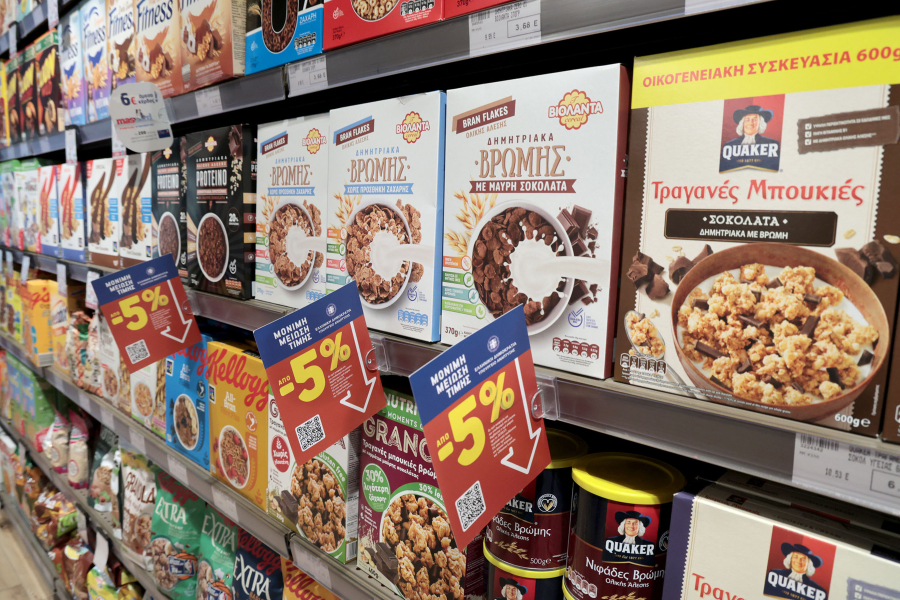
Greece’s National Price Reduction Initiative faces a crucial test on Sept. 9, when the Hellenic Statistical Authority, or ELSTAT, releases August inflation data that could shed light on whether the government-backed campaign helped contain prices or instead coincided with their acceleration.
Early evidence raises questions about the program’s effectiveness. An analysis by Greek news outlet Dnews.gr found substantial price increases between July 8, when the initiative was announced, and the end of August, before reduced prices took effect on Aug. 31.
Among 30 products examined, some recorded increases exceeding 20%, 30% and 40%. Even after the subsequent discounts, most remained more expensive than they had been on July 8.
ΔΙΑΒΑΣΤΕ ΕΠΙΣΗΣ



The timing is significant. Greece’s harmonized inflation rate, as measured by Eurostat, accelerated to 3.7% in August from 2.7% in July. ELSTAT’s national inflation measure had already reached 3.4% in July, with the Aug. 9 release set to show whether it moved above 4%.
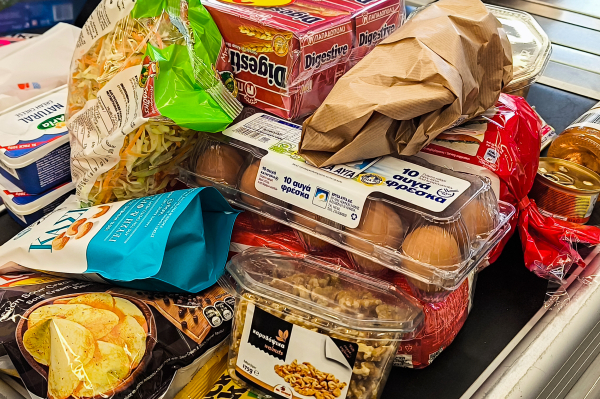
The price increases identified in the sample were substantial. Shampoo rose 45.7%, natural juice 43.3%, packaged cheese 43.2%, concentrated milk 34.9% and lactose-free milk 33.2%. Coffee capsules increased 28.1%, while chicken nuggets rose 26.7%. One laundry detergent recorded an 81.6% increase in roughly a month.
A chocolate product illustrates the central concern. It cost €1.92 on July 8 but had risen 25% to €2.40 by Aug. 29. A subsequent 25% reduction returned the price to €1.92. The advertised discount therefore didn’t make the product cheaper than before the initiative; it merely reversed the increase that preceded it.
The figures don’t prove that the initiative caused Greece’s inflation acceleration. Consumer inflation reflects a much broader range of goods and services, and establishing causation would require detailed analysis of the August index.
Still, the Sept. 9 release will indicate whether the price increases preceding the discounts were broad enough to leave a mark on overall inflation.
If the official data reinforce the pattern already evident in individual products, the government could face difficult questions over its reliance on voluntary cooperation with retailers and suppliers—and whether a policy designed to reduce prices instead allowed increases to precede highly visible discounts.