
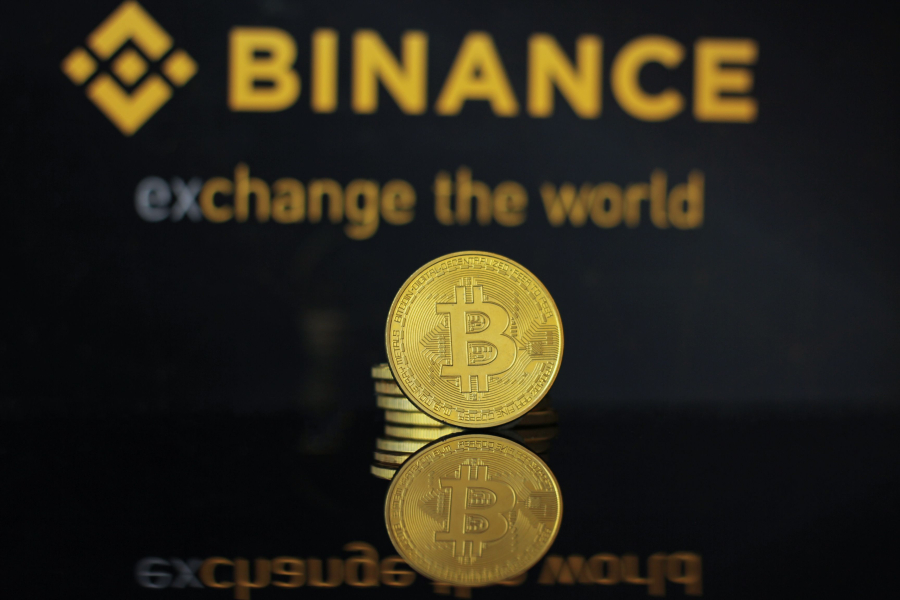

Binance’s bid to secure a license under the European Union’s landmark Markets in Crypto-Assets (MiCA) regulation is expected to come soon before the board of Greece’s Capital Market Commission on Thursday, according to people familiar with the matter, potentially paving the way for the cryptocurrency giant to expand its operations in Greece and across the European Union.
The application comes at a pivotal moment for the crypto industry. Under the EU’s MiCA framework, all crypto-asset service providers operating in the bloc must obtain authorization by July 2026 in order to continue serving customers. While several European jurisdictions have already granted MiCA licenses, Greece has yet to approve any applications.
A favorable decision would mark one of the first major steps in implementing the EU’s new crypto regulatory regime in the Greek market and could position the country as a new gateway for digital-asset businesses seeking access to the European market.
ΔΙΑΒΑΣΤΕ ΕΠΙΣΗΣ


Binance, one of the world’s largest cryptocurrency platforms, serves roughly 320 million users globally. The company oversees digital wallets holding Bitcoin valued at nearly $45 billion, underscoring its scale and influence within the global crypto ecosystem.
The group plans to operate in Greece through Binance Europe S.A., a locally incorporated entity whose share capital was recently increased to €20 million. The move is seen as a signal of the company’s intention to use Greece as a strategic base for its European expansion under the MiCA framework.
According to its application, Binance Europe intends to offer a broad range of crypto-related and payment services. These include the custody and administration of crypto-assets on behalf of clients, the exchange of digital assets for fiat currencies or other crypto-assets, and the execution of crypto trading orders.
The company also plans to provide crypto-asset transfer services alongside electronic money issuance, distribution and redemption. In addition, it aims to offer a wide range of payment services, including money transfers, direct debits, card-based transactions, credit transfers and standing orders. The business model reflects Binance’s broader ambition to build an integrated financial ecosystem that combines traditional payment infrastructure with digital-asset services.
Market participants are closely watching the regulator’s decision, which could signal how Greece intends to position itself within Europe’s rapidly evolving regulatory landscape for cryptocurrencies and digital finance.