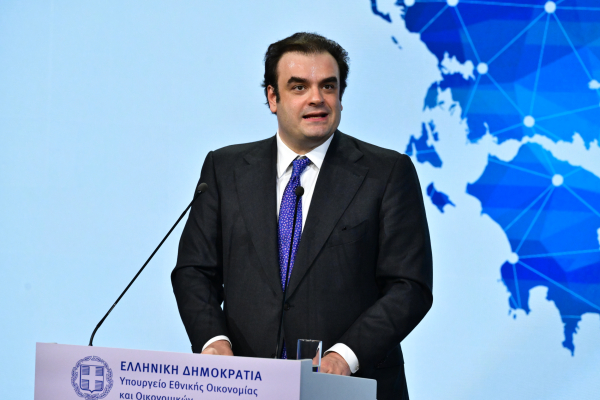


Finance Minister Kyriakos Pierrakakis and Deputy Finance Minister Thanos Petralias are leading the effort to finalize the measures over the coming weeks. Their task extends beyond tax policy. The package is designed to rebuild support among self-employed professionals and middle-income voters, constituencies that drifted away from the ruling New Democracy party following the introduction of Greece's controversial presumptive taxation system for the self-employed.
Under guidance from Prime Minister Kyriakos Mitsotakis' office, the finance ministry has made support for professionals and small and medium-sized enterprises a top priority. Pierrakakis has been coordinating the political side of the process, holding consultations with business associations and other stakeholders across the country to ensure the final proposals reflect both market concerns and the government's policy objectives.
Petralias, meanwhile, is focused on balancing the fiscal arithmetic. Officials are assessing the cost of every proposed measure to ensure the overall package—currently estimated at roughly €1.5 billion—can be financed without undermining Greece's fiscal discipline. The final size of the package will also depend on external factors, particularly developments in energy markets.
ΔΙΑΒΑΣΤΕ ΕΠΙΣΗΣ



At the center of the discussions are possible revisions to Greece's presumptive income tax regime for self-employed professionals. The government is considering significant adjustments to a system that estimates taxable income based on objective criteria rather than declared earnings. While officials acknowledge that the regime has generated more than €500 million in additional tax revenue, they are seeking ways to reduce the burden on taxpayers who argue they have been unfairly affected, without dismantling the framework altogether.
The government is also weighing a reduction in advance tax payments required from professionals and businesses. However, the proposal carries a substantial fiscal cost, prompting debate within the finance ministry over whether such a move can be combined with broader changes to the presumptive tax system without materially reducing public revenues.
Another proposal under consideration concerns Greece's business levy, a fixed annual charge imposed on companies. The leading scenario would link the levy more closely to a company's financial performance, exempting profitable businesses that already pay corporate taxes while maintaining the charge for companies reporting losses. A complete abolition of the levy remains part of the government's longer-term agenda but is now expected to be phased in over four years rather than implemented immediately.
Officials are also examining measures intended to improve the day-to-day operating environment for businesses, including faster tax refunds through Greece's Independent Authority for Public Revenue and new tax incentives aimed at rewarding compliant taxpayers.
By contrast, additional tax relief for rental income appears unlikely to be included in the package. The government is also not expected to propose changes to value-added tax or excise duties, although a previously discussed reduction in VAT on coffee remains under consideration.