
Travel receipts reached €23.6 billion, up 9.4% from 2024, according to the Bank of Greece, exceeding even the most optimistic forecasts.
The strong performance was driven by continued growth in international arrivals and higher average spending per trip. Visitor numbers increased by 5.6% over the year, while revenue growth outpaced arrivals, indicating that travelers spent more on average. The momentum accelerated toward the end of the year, with December arrivals of foreign visitors jumping by nearly 50% compared with the same month in 2024 and tourism receipts rising by more than 30%. Early indicators suggest that this trend has carried into 2026, supported by airline capacity planning that points to a significantly earlier start to the tourist season and double-digit growth in arrivals from March onward.
While inbound tourism surged, outbound travel by Greek residents also increased sharply. Spending by Greeks traveling abroad rose by more than 20% in 2025, reaching €3.37 billion, reflecting stronger demand for international travel.
Economists, however, warn that the scale of tourism growth is placing mounting pressure on Greece’s infrastructure and destination management systems. According to an analysis by Alpha Bank, the country now records approximately 3.5 international arrivals per resident, a higher ratio than before the pandemic and above that of several competing destinations. Maintaining competitiveness, the report argues, will increasingly depend on sustainable management of visitor flows, investment in public and private infrastructure, digital transformation and progress in the green transition, amid persistent labor shortages in the hospitality sector.
Against this backdrop, the expansion and regulation of short-term rental accommodation has become a central policy issue. According to Greece’s Independent Authority for Public Revenue, more than 116,600 short-term rental properties were active nationwide in 2025, having recorded at least one rental declaration during the year.
Since the establishment of the national short-term rental registry, over 358,000 registration numbers have been issued, corresponding to roughly 238,600 unique properties. The discrepancy reflects administrative factors, as registration numbers change when lease agreements are renewed, even for the same property. In addition, many owners obtained registration numbers without ever operating in the short-term rental market, often to preserve the option of future use.
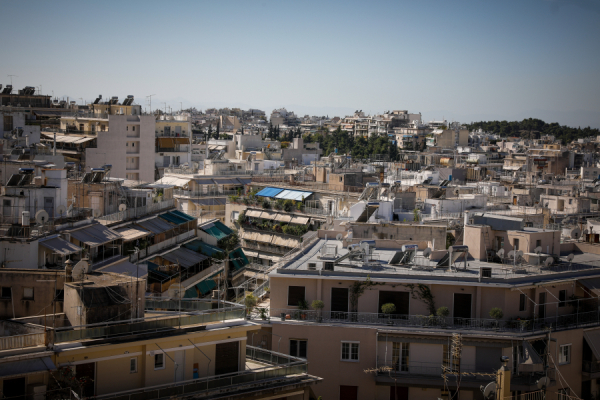
A surge in new registrations was recorded in late 2024, ahead of restrictions introduced in early 2025 that banned the issuance of new short-term rental registration numbers in central districts of Athens. One year after the measure took effect, the total number of registered properties in these areas has declined modestly, but the number of active short-term rentals has continued to grow. Fewer than half of registered units are operational, yet active listings in Athens increased by around 11% in 2025, reaching more than 14,300 properties.
Tax authority data also point to compliance gaps in the sector. Approximately 1,100 owners controlling at least three properties have failed to register a business activity, despite legal requirements, and are expected to face penalties. An additional 500 owners have registered a business but have not declared all mandatory activity codes.
Despite regulatory efforts, real estate market representatives argue that restrictions on short-term rentals have not succeeded in easing pressure on long-term rental prices. Industry figures maintain that housing costs continue to rise and that short-term rentals play only a limited role in the broader housing shortage, which they attribute primarily to insufficient housing supply, demographic pressures and the aging of the housing stock.