The authenticity of rare photographs documenting the execution of 200 Greek communists by Nazi occupation forces in Athens in 1944 has been officially confirmed, Greek authorities announced. The images, which depict one of the most symbolic mass executions of the German occupation of Greece, will be acquired by the Ministry of Culture.
According to the ministry, a macroscopic examination carried out by senior officials and independent experts verified that the photographic material is genuine. The confirmation follows an inspection in Ghent, Belgium, where representatives of the Greek Ministry of Culture examined the so-called Hoyer Collection, a set of 262 photographs taken in Greece during 1943–1944 by a German soldier. The collection had been offered for sale by Belgian auctioneer and collector Tim De Craene.
Greek Minister of Culture Lina Mendoni stated that the delegation reviewed the entire collection, including both photographic and printed material. After experts confirmed its authenticity, a preliminary purchase agreement was signed between the ministry and the collector, and the photographs were withdrawn from the online auction where they had been listed.
ΔΙΑΒΑΣΤΕ ΕΠΙΣΗΣ

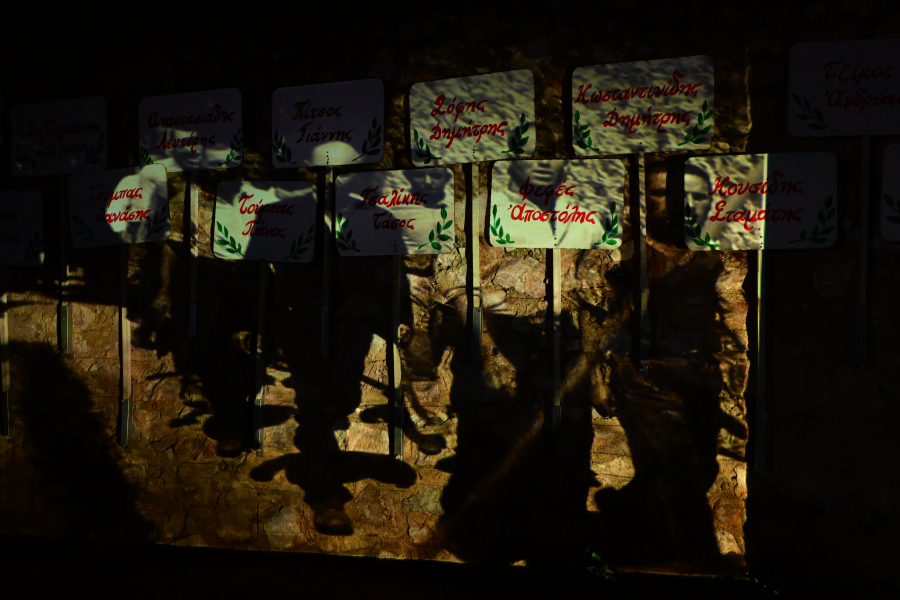
The images include photographs from the execution of 200 political prisoners—most of them members or sympathizers of the Greek Communist Party—who were shot by Nazi forces on May 1, 1944, at the Kaisariani Shooting Range, a site on the outskirts of Athens that has since become a symbol of resistance and martyrdom during the occupation. The executions were carried out in retaliation for the killing of a German general by Greek resistance fighters.
In recognition of their historical significance, the Greek Ministry of Culture has officially designated the entire photographic collection as a protected monument, following a recommendation by the Central Council of Modern Monuments. The decision was based on the collection’s exceptional value as historical evidence, particularly as an example of how visual material was used by occupation authorities for documentation and propaganda purposes.
The photographs have also revived personal memories and testimonies from those who lived through the occupation. Speaking to Greek television, veteran photojournalist Aristotelis Sarrikostas recalled witnessing the events as a child. At the time, Athens was suffering from famine and widespread death, with bodies regularly collected from the streets. Sarrikostas described how children in Kaisariani relied on food provided by the Red Cross to survive.
On the morning of May 1, 1944, he and other children followed their usual route to school, passing through streets guarded by German troops and machine guns. Later that day, he recalled seeing several trucks filled with prisoners singing as they were driven toward the Kaisariani Shooting Range. At the time, the children did not know who the men were or where they were being taken.
Hours later, Sarrikostas said, the same trucks returned toward central Athens. This time, he noticed blood dripping from the vehicles onto the road—an image that remained etched in his memory. Only later did he understand what he had witnessed: the aftermath of one of the most notorious mass executions of the Nazi occupation in Greece.
Eighty years later, the photographs, now confirmed as authentic, are set to become part of Greece’s protected cultural heritage, preserving visual evidence of a crime that has long held deep historical and symbolic meaning for the country—and offering the international public a stark reminder of the human cost of occupation and political repression during the Second World War.