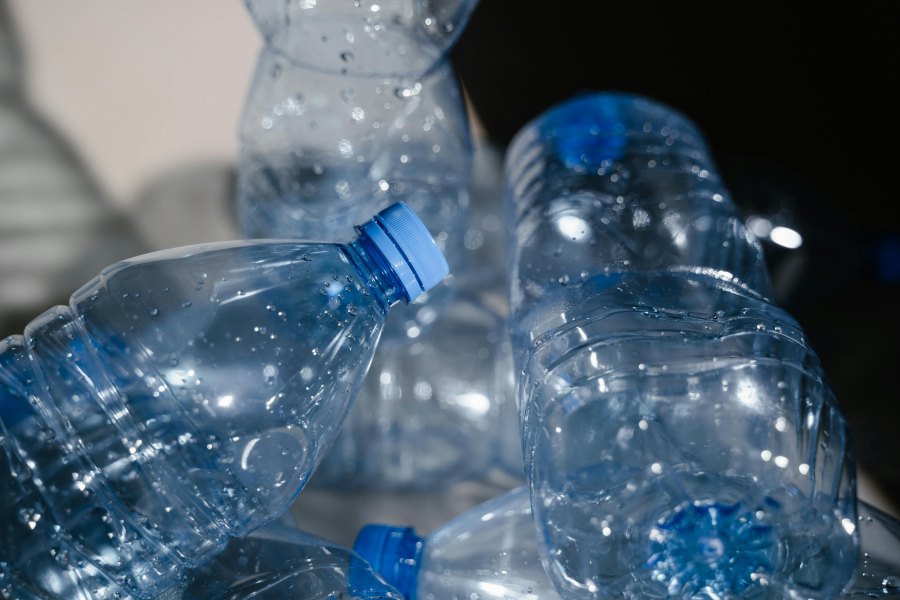
Greece is preparing to introduce a nationwide deposit return system for plastic bottles and aluminum cans in 2026, marking a significant shift in the country’s recycling framework.
The new system will allow consumers to return beverage containers in exchange for a small refund and is expected to reshape how recyclable packaging is collected, processed and financed.
The rollout is planned to begin within the year and expand nationwide over a two-year period. Once fully implemented, the system will include more than 4,200 automated return machines and approximately 9,700 manual collection points. These will be located across supermarkets, small retail outlets, kiosks and hospitality venues. The launch of the system will require adjustments to Greece’s existing recycling infrastructure, particularly the blue-bin system used for mixed packaging waste, as certain high-volume materials will be diverted to the new scheme. New collection systems for bulky waste, including old mattresses and furniture, are also expected to be introduced.
Deposit return systems are widely used across Europe and beyond. Under the model, a small deposit is added to the retail price of a beverage and refunded when the empty container is returned to an authorized collection point. The approach delivers high recycling rates and produces cleaner recyclable materials, increasing their value and reuse potential.
Within the European Union, such systems are no longer optional. EU legislation on single-use plastics and waste management requires member states to implement deposit return schemes at least for single-use beverage containers. In most cases, these systems are operated by private-sector entities representing producers, importers and retailers, under public oversight. Their development requires cooperation among competing companies, substantial upfront investment and a strong regulatory framework.
In Greece, implementation has been delayed by legislative and administrative hurdles. Although the system was first provided for in national law in 2020, the regulatory framework was finalized only after several years and subsequent amendments. Initial plans to include glass bottles and milk cartons were later abandoned. After multiple postponements, a planned launch in late 2025 did not take place.
Recent progress has been driven by the establishment of a dedicated operating body responsible for designing and running the system. A detailed multi-year operational plan is expected to be submitted to the national recycling authority, outlining how the system will be deployed and scaled. The target is to achieve a 90 percent collection and recycling rate for eligible beverage containers by 2028. Containers covered by the system will carry a specific marking, and products not registered with the scheme will not be permitted to enter the market.
Consumers will receive a refund of €0.10 for containers up to half a liter and €0.15 for larger containers. Refunds will be issued in the form of vouchers redeemable at participating retail outlets. Returns will be handled either through automated machines, primarily installed outside large supermarkets, or manually at smaller retail locations. The system is designed to launch nationwide at once, without a pilot phase, taking into account Greece’s geographical complexity, including its extensive island network and seasonal tourism flows.
The financial scale of the project is considerable. The cost of purchasing return machines is estimated at close to €190 million, with annual operating costs projected at €25–30 million. Industry-level disagreements over equipment procurement have been cited as one factor contributing to delays.
The introduction of the deposit return system is expected to have a broad impact on Greece’s existing recycling sector. Beverage containers represent a relatively small share of packaging waste by weight but occupy a significant volume. Their removal from mixed recycling streams is expected to improve collection efficiency but will also reduce revenue for current packaging recycling operators, as plastic and aluminum are among the most valuable recyclable materials.
This transition is likely to accelerate wider reforms. Years of underinvestment have left recycling infrastructure outdated, particularly in vehicle fleets, collection bins and sorting facilities. Authorities view the introduction of the deposit return system as an opportunity to modernize operations, expand separate collection streams for materials such as glass and paper, and strengthen municipal recycling capacity.