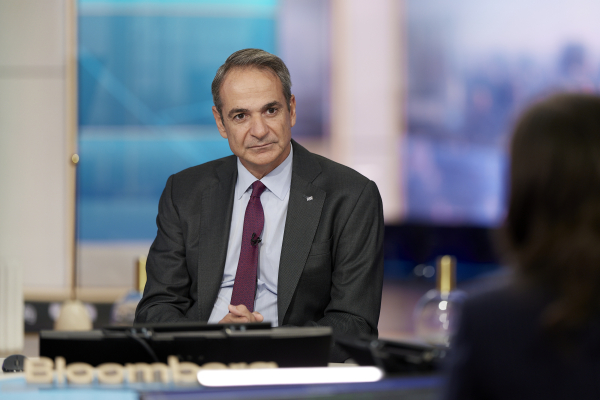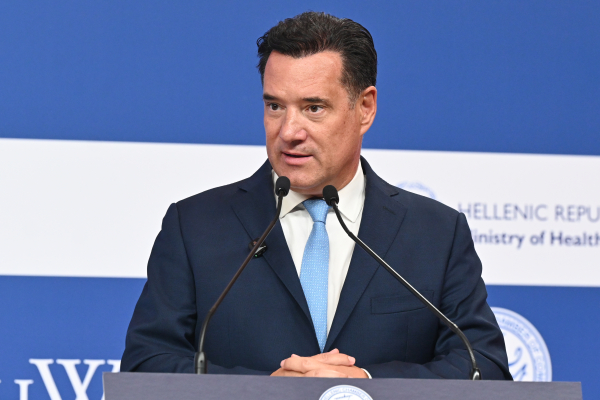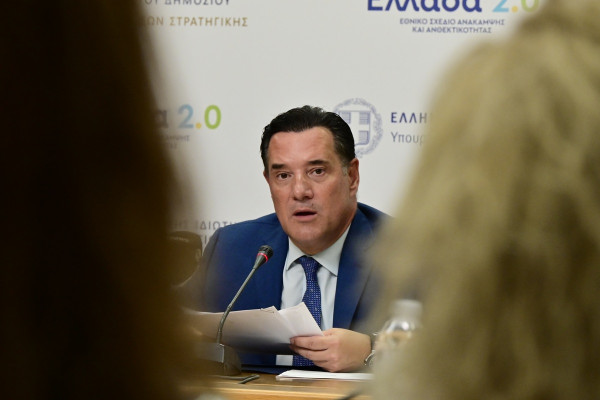

The debate was triggered by comments from a ruling-party lawmaker suggesting that “free handouts are over,” made in response to a question about how educators can survive on modest salaries while working in high-cost areas such as the country’s islands.
Although the government later claimed the remark was misinterpreted and referred instead to opposition economic proposals, the reaction highlighted widespread frustration among teachers and other public-sector workers. For many, the issue is not rhetoric but material conditions shaped by a decade of wage erosion and a worsening housing crisis.
Greece currently faces the highest housing costs in the European Union relative to income. Rents have risen sharply, driven in part by tourism and the expansion of short-term rentals, while wages have remained largely stagnant. This imbalance is especially severe for teachers who are required to relocate for work, often to islands or remote regions where housing is scarce and expensive.
According to the Organisation for Economic Co-operation and Development (OECD), teachers’ salaries in Greece have declined by 35 percent in real terms between 2010 and 2024, following the country’s prolonged financial crisis and austerity measures. Using the OECD’s standard benchmark of a teacher with typical qualifications and 15 years of experience, Greece ranks near the bottom among member states.
In 2023, lower secondary school teachers earned approximately $32,000 per year in purchasing power parity terms, the second-lowest level in the OECD. The average salary across OECD countries exceeds $56,000. Starting salaries are even lower: newly appointed teachers in Greece earn around $22,000 in purchasing power terms, roughly half the OECD average.
Teachers in Greece also earn significantly less than other university graduates. In 2024, their salaries amounted to about 70 percent of the average graduate wage, compared with more than 80 percent in most OECD countries. The gap is wider in rural areas, where part-time and substitute teaching positions are more common.
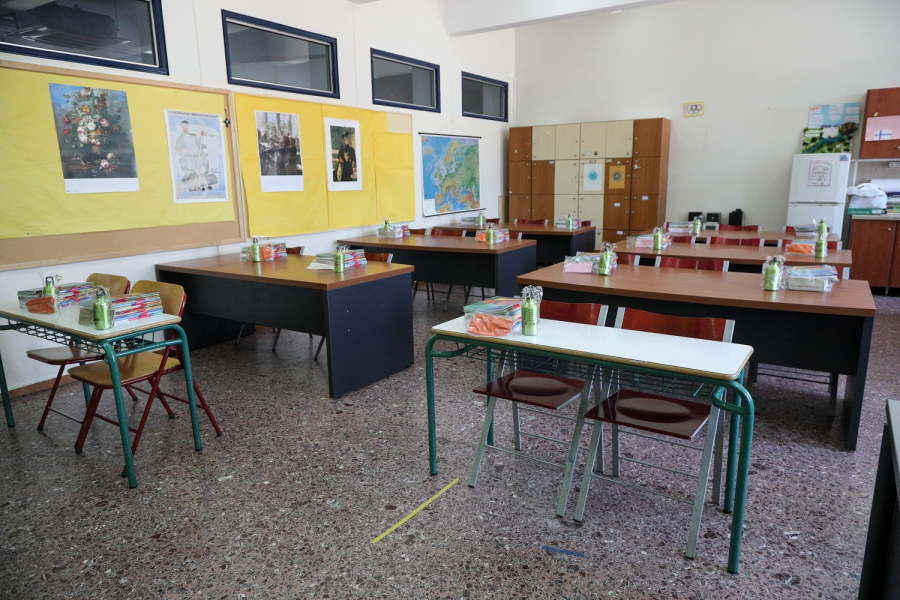
The impact is visible on the ground. Many substitute teachers report paying rent that absorbs a large share of their income, maintaining two residences, or being forced to leave accommodation mid-year as properties shift to tourist use. In extreme cases, educators have resorted to temporary shelters or sleeping in vehicles.
As resignations among substitute teachers increase, concerns are growing about staffing shortages in remote schools and the broader strain on social cohesion. Critics argue that limited rent subsidies introduced by the government do little to address the underlying problem: wages that no longer cover the cost of living. For Greece’s educators, the question is not about receiving benefits, but about earning a salary that allows them to live with dignity.