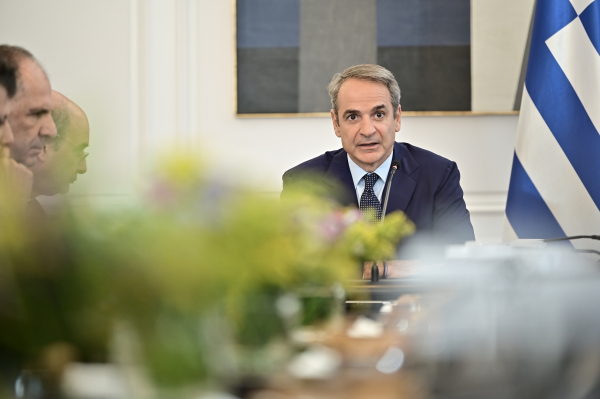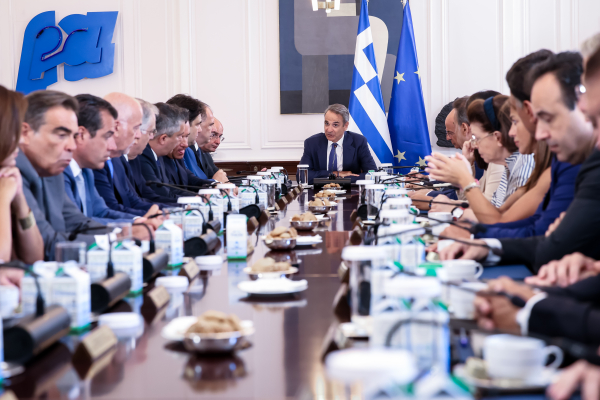
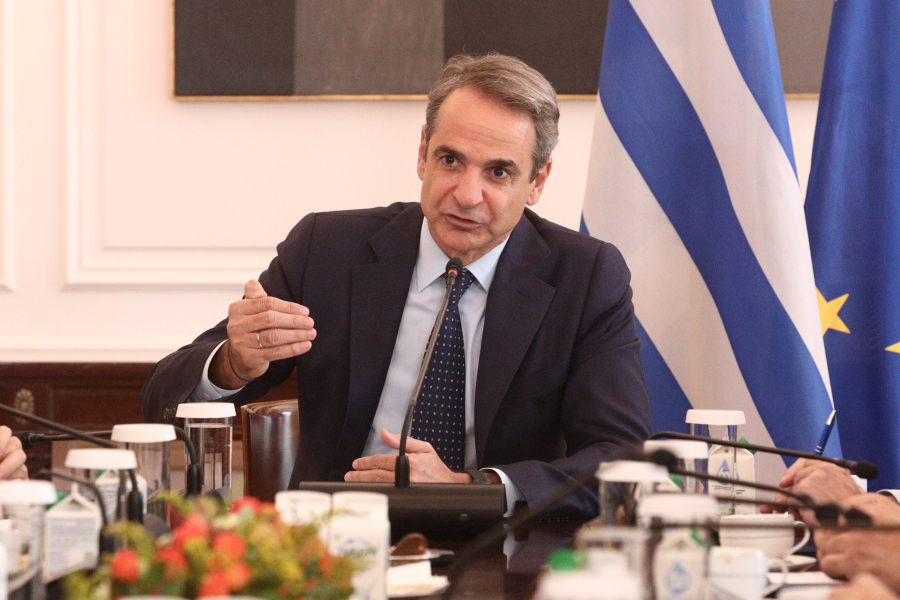

Mitsotakis opened the discussion on Monday by calling on lawmakers from his ruling New Democracy party to support what he described as “bold reforms” aimed at strengthening institutional credibility and restoring public trust.
In a written message, the prime minister argued that the 1975 Constitution, drafted after the fall of the military dictatorship, has ensured political stability for half a century but is now outdated. While calling it a “living text,” Mitsotakis said it remains rooted in the 20th century and must be adapted to new challenges such as artificial intelligence, climate change and the need for more effective governance.
Among the changes he outlined were the reform of provisions governing ministerial criminal liability, greater involvement of judges in cases involving serving ministers, changes to public sector tenure through performance evaluation, the establishment of non-state universities, a single six-year term for the President of the Republic, and increased judicial participation in selecting the leadership of Greece’s top courts. He also stressed the need for constitutional safeguards to ensure fiscal stability and prevent what he described as a return to populism.
However, Venizelos responded forcefully, questioning both the timing and the credibility of the initiative. He described it as paradoxical for the prime minister to speak of restoring institutional trust when his government has been linked, since taking office in 2019, to serious controversies, including the wiretapping scandal involving politicians and journalists and allegations of mismanagement of European Union agricultural funds.
According to Venizelos, Greece’s core problem is not constitutional but political and institutional. He argued that the country is facing a deep crisis of trust in its institutions and a breakdown of the social contract established after the restoration of democracy in 1974—one that has not been repaired following the financial crisis. Without a convincing and widely accepted vision of national cohesion and social inclusion, he said, constitutional revision risks becoming a technical exercise with little real impact.
Venizelos also stressed that Greece’s Constitution requires broad political consensus for revision, including a qualified parliamentary majority of three-fifths. He questioned whether such consensus is achievable under current conditions, noting that Parliament has struggled to reach the majorities required even to appoint members of independent authorities. He further pointed to the ongoing court proceedings related to the wiretapping case and a contentious parliamentary inquiry into agricultural subsidy payments as factors undermining trust between political forces.
A key issue, Venizelos added, is whether the next Parliament will even be able to form a stable government before undertaking constitutional revision. “The country must become governable, at least formally, before the Constitution becomes amendable,” he said.
Finally, he warned that any serious discussion of constitutional change must take into account Greece’s obligations within international and European Union legal frameworks, as well as the growing role of international judicial oversight, which can extend even to constitutional provisions.
Only once these realities are acknowledged, Venizelos concluded, can Greece engage in a genuinely national and consensual debate on revising its Constitution.