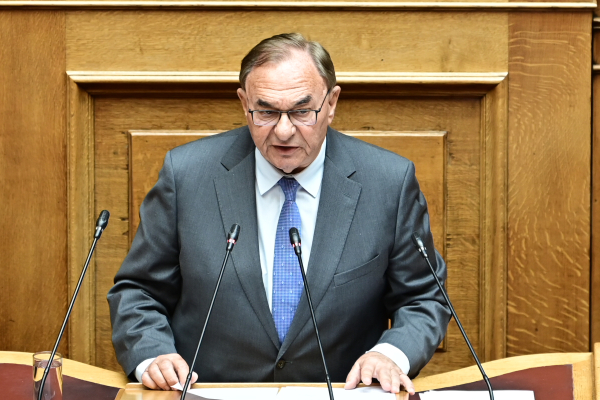
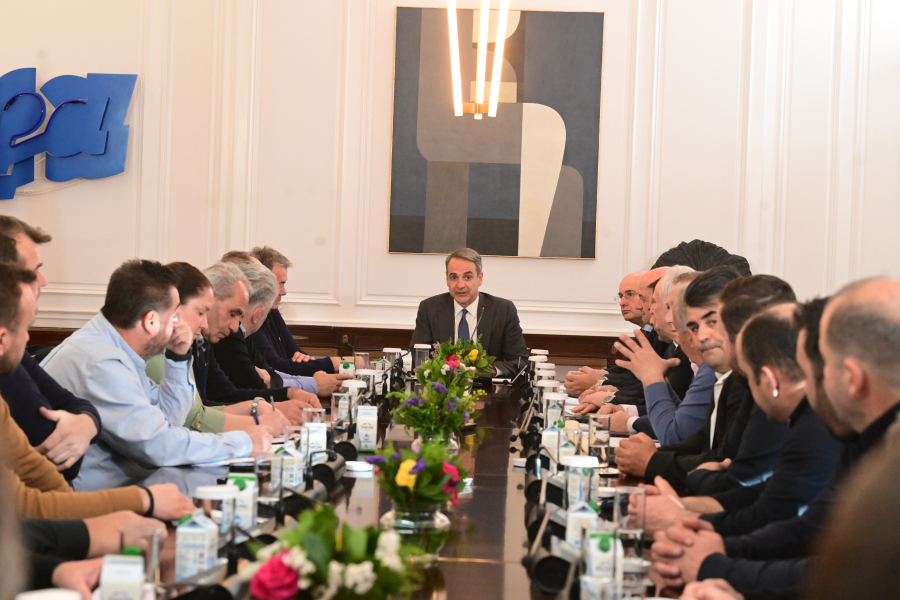

A marathon meeting between Greek Prime Minister Kyriakos Mitsotakis and representatives of farmers underscored the growing strain between the government and the agricultural sector, as well as the political sensitivity of ongoing nationwide protests. The talks, held on Tuesday at the prime minister’s office in Athens, lasted more than three and a half hours and came after weeks of roadblocks and demonstrations by farmers demanding relief from rising costs and falling incomes.
Following the meeting, Mitsotakis described the discussion as “substantive and sincere,” announcing additional support measures while drawing a firm line against continued disruptions. He stressed that the government would not tolerate what he called attempts by a “partisan minority” to openly pressure society through prolonged blockades. At the same time, he sought to frame the talks as a reset in relations with the agricultural sector and a step toward a more coherent long-term policy.
Among the key announcements was the government’s pledge that Greek farmers will benefit from the lowest electricity prices in Europe, a significant concession given energy costs’ impact on production. This preferential tariff will also be extended to farmers who are repaying debts under settlement schemes, provided they have been consistent for at least a year. The prime minister also confirmed the abolition of the special consumption tax on agricultural diesel, along with the removal of VAT on the discounted amount.
Mitsotakis pointed to recent reforms in the system for distributing EU agricultural subsidies, saying that payments for this year have been completed, in some cases exceeding last year’s levels. According to the government, a fairer allocation has freed up additional funds that will be directed to farmers producing low-priced crops and to livestock breeders affected by a recent outbreak of sheep and goat pox. Compensation payments through Greece’s agricultural insurance body are also expected to be accelerated, with special provisions planned for income losses linked to the disease.
While emphasizing that the government has shown patience toward farmers’ protests and acknowledged their legitimate concerns, the prime minister argued that the limits of tolerance have been reached after more than six weeks of disruptions. He insisted that dialogue remains open but warned against illegality and what he described as populist tactics.
Despite the announcements, tensions remain high. Some farmer groups, particularly those maintaining roadblocks in central Greece, rejected the government’s tone and signaled an escalation of protests, including the possibility of bringing tractors to Athens. A nationwide coordination meeting is scheduled to decide the next steps, even as further talks between farmers and senior government officials are set to continue.