
Workplace fatalities in Greece reached a new and alarming high in 2025, according to data released by the Federation of Associations of Employees in Technical Enterprises of Greece (OSETTEE). More than 200 workers died while on the job last year, while 332 others suffered extremely serious injuries, marking the worst record to date in a trend that has been steadily worsening.
Final figures are expected at the end of February, once the verification of reported incidents and ongoing investigations is completed. Preliminary data, however, already point to significant structural failures in workplace safety oversight, particularly in sectors that remain largely invisible to official monitoring.
An independent study by OSETTEE highlights the scale of the problem in Greece’s primary sector. Of the 201 fatal workplace accidents recorded in 2025, 48 occurred in agriculture, livestock farming, fishing and forestry. Nearly one in four workplace deaths therefore took place in the primary sector, making it the second deadliest area of employment after construction. In the three previous years, it had ranked first.
Agricultural accidents in Greece are widely underreported and often excluded from official statistics. Incidents in fields and farms are frequently not registered as occupational accidents, contributing to a distorted picture of workplace safety nationwide. Over the past four years, at least 162 people working in agriculture, fishing and forestry have lost their lives while on the job.
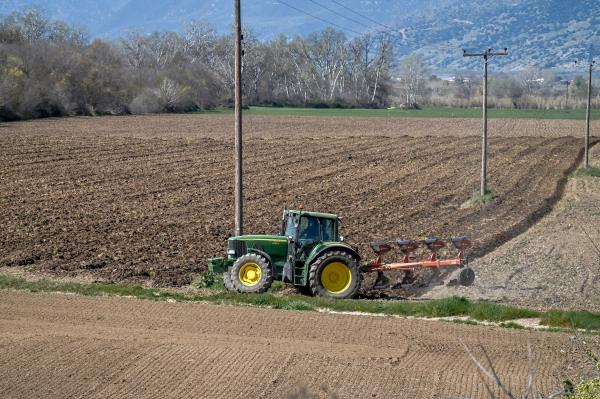
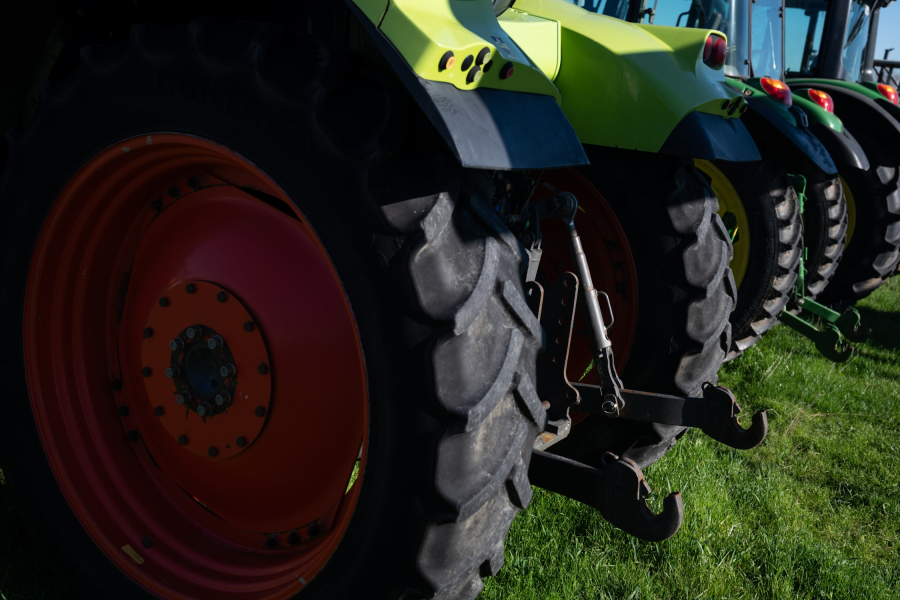
The number of fatalities in the primary sector has fluctuated but remains high, rising from 32 in 2022 to 44 in 2023, before falling to 38 in 2024 and increasing again to 48 in 2025 — a year-on-year rise of 26 percent. Most of those killed were crop farmers, with many deaths linked to tractor rollovers. Older workers are disproportionately affected, often working under physically demanding conditions and increasing heat stress during summer months.
The underreporting of agricultural fatalities reflects a broader statistical gap. Greece’s national statistics authority records only accidents involving salaried employees, excluding the self-employed, contractors, uninsured workers and freelancers. As a result, most agricultural workers — who are largely self-employed or part of family-run operations — do not appear in official data. Seasonal agricultural workers, many of them migrants, are also absent from national records.
The discrepancy between official statistics and independent findings has been acknowledged at the European level. In 2023, Greece officially recorded just 51 fatal workplace accidents nationwide, while independent research documented 179 deaths, including 44 in the primary sector. The gap highlights the scale of underreporting and the extent to which workplace deaths in agriculture remain largely unseen and unaddressed.