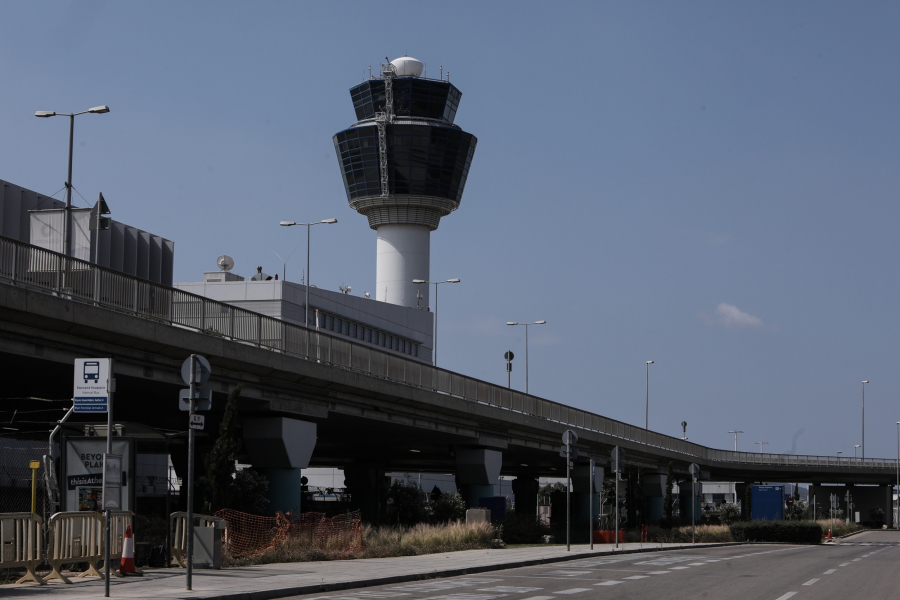
Greek authorities have launched multiple investigations into a serious disruption of air traffic communications that affected the Athens Flight Information Region (FIR Athens) on Sunday, January 4, 2026, prompting concern over aviation safety and national security safeguards in one of Europe’s most sensitive airspaces.
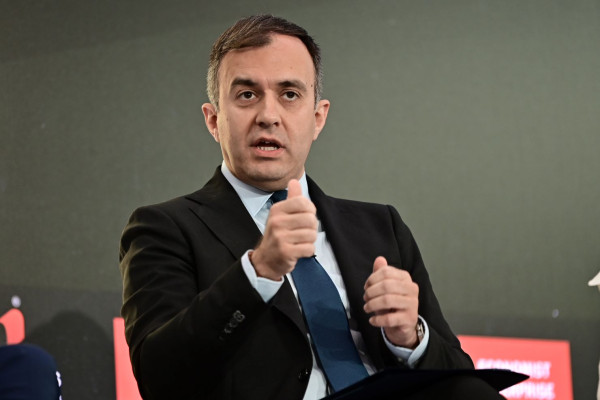
Infrastructure and Transport Minister Christos Dimas ordered the creation of a special investigative committee tasked with identifying the exact causes of the incident, which generated widespread radio interference and temporarily disrupted communications across multiple aviation frequencies. The committee will be chaired by Christos Tsitouras, head of the Hellenic Civil Aviation Authority, and will include senior officials from Greece’s National Cybersecurity Authority, the armed forces, the national telecommunications regulator, and a representative of EUROCONTROL.
At the same time, the Ministry instructed the Civil Aviation Authority to immediately initiate a sworn administrative inquiry to determine whether any failures or omissions by personnel or services contributed to the blackout, citing the urgency of maintaining uninterrupted air navigation services and the broader public and national interest.
The incident also triggered judicial intervention. Aristeidis Koreas, head of the Athens Misdemeanor Prosecutor’s Office, ordered an urgent preliminary investigation to be carried out by Greece’s Cyber Crime Unit. Prosecutors are examining whether the disruption may constitute the criminal offense of dangerous interference with aircraft operations and how interference spread across nearly all frequencies used within FIR Athens.
Despite the scale of the disruption and the delays and cancellations that followed at airports, Minister Dimas stressed that flight safety was never compromised. Speaking to ERTNews, he said the problem was technical in nature, creating «noise» on multiple frequencies, and that redundancy systems ensured aircraft remained safe throughout the incident. However, he acknowledged that the precise cause has not yet been fully established and warned that accountability would follow once investigations are completed, stating bluntly that «heads will roll».
Dimas also confirmed that passengers affected by cancellations and delays are entitled to compensation under European aviation rules, while airlines may pursue claims of their own. He pointed to an ongoing modernization program aimed at upgrading Greece’s air traffic management systems by 2028, noting that while some infrastructure is aging, it remains compliant with European standards and is already subject to a reform plan agreed with the European Commission and implemented since May 2025.
The episode drew strong reactions beyond the government. Former deputy prime minister and constitutional law expert Evangelos Venizelos emphasized that the management of FIR Athens carries particular weight for Greece, not only in terms of aviation safety but also national defense and foreign policy. He noted that, unlike many other countries, Greece’s air traffic control responsibilities are closely intertwined with long-standing regional disputes and security arrangements in the eastern Mediterranean.
Venizelos recalled that under the rules of the International Civil Aviation Organization, Greece is responsible for managing FIR Athens, which includes national airspace and designated areas of international airspace. He also referred to historical tensions with Turkey over flight planning requirements for military aircraft entering the region, an issue Athens considers critical to the safety of civil aviation.
While welcoming the swift restoration of services, Venizelos warned that such a loss of operational control, even if temporary, must be investigated thoroughly and prevented from recurring. He pointed out that international and European aviation frameworks, including the Single European Sky regime and the European Union Aviation Safety Agency, provide for emergency contingency measures that could, in extreme cases, involve the temporary delegation of air traffic management to neighboring countries - an outcome that would carry serious political and strategic implications.