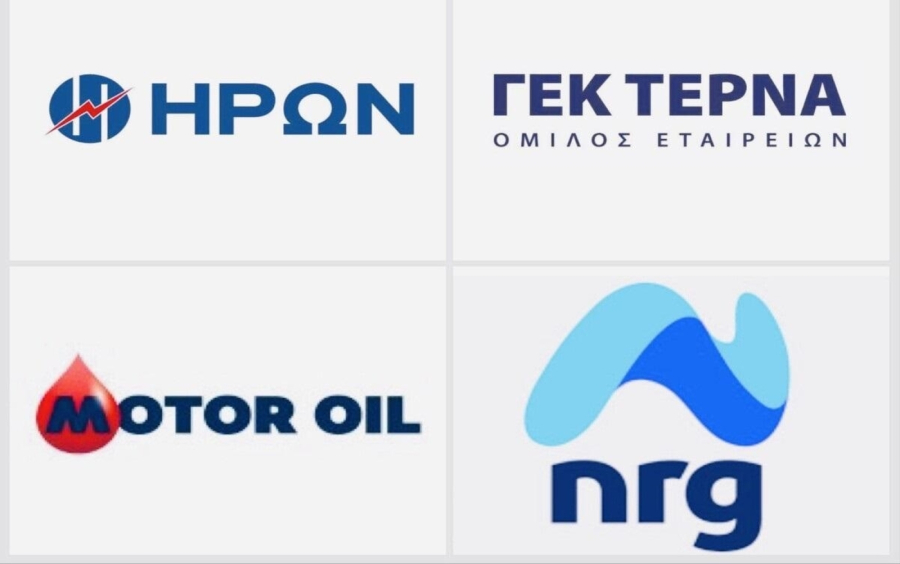

The merger of HERON, controlled by GEK, and NRG, part of Motor Oil, has intensified competition in electricity supply and confirmed a broader trend toward concentration. At the same time, an unexpected development in liquefied natural gas (LNG) trading has altered the strategic balance of the market.
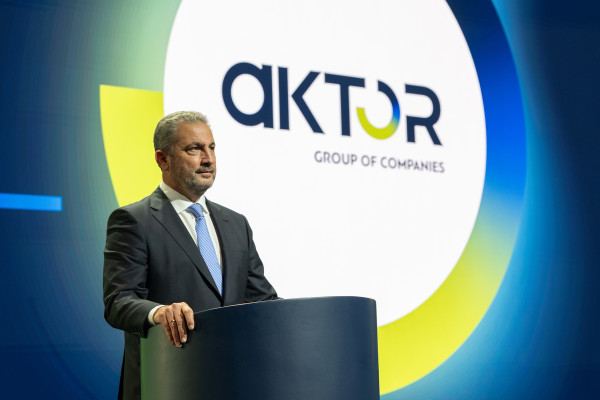
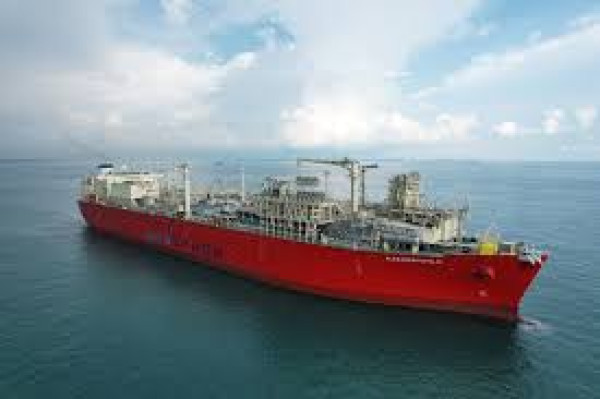
The most disruptive move has been the entry of Aktor into LNG trading, in partnership with state-owned DEPA. Unlike the HERON–NRG merger, which had largely been anticipated by investors, Aktor’s expansion into LNG came as a surprise, raising new questions about long-term strategies across the sector. Through Atlantic–SEE LNG Trade, Aktor and DEPA are targeting LNG trading in Southeast Europe, while Aktor’s growing links with the United States strengthen access to American LNG supplies. Backed by strong capitalization, Aktor is now seen as a potential new power center in the regional energy market.
These developments are expected to accelerate consolidation in electricity supply, the most competitive segment of the market. Around 85% of supply is already controlled by three vertically integrated private groups—Metlen, HELLENiQ ENERGY, and the GEK TERNA–Motor Oil alliance—alongside the dominant incumbent, PPC. Smaller suppliers, which together account for roughly 10% of the market, are increasingly under pressure and may struggle to survive in the new environment.
Competition is shifting beyond simple electricity sales. Energy companies are evolving into integrated service providers, offering bundled energy and telecommunications products, energy-efficiency upgrades, financing solutions, and even building and property management services. This transformation is redefining customer relationships and raising barriers to entry.
Strategic decisions by the Greek government on the future of DEPA will also be critical. The company is being repositioned as a fully integrated energy group, a move that could significantly enhance its value ahead of a potential privatization or stock market listing.