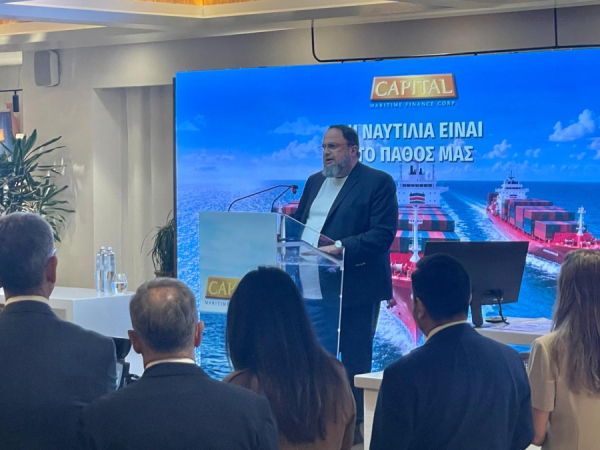
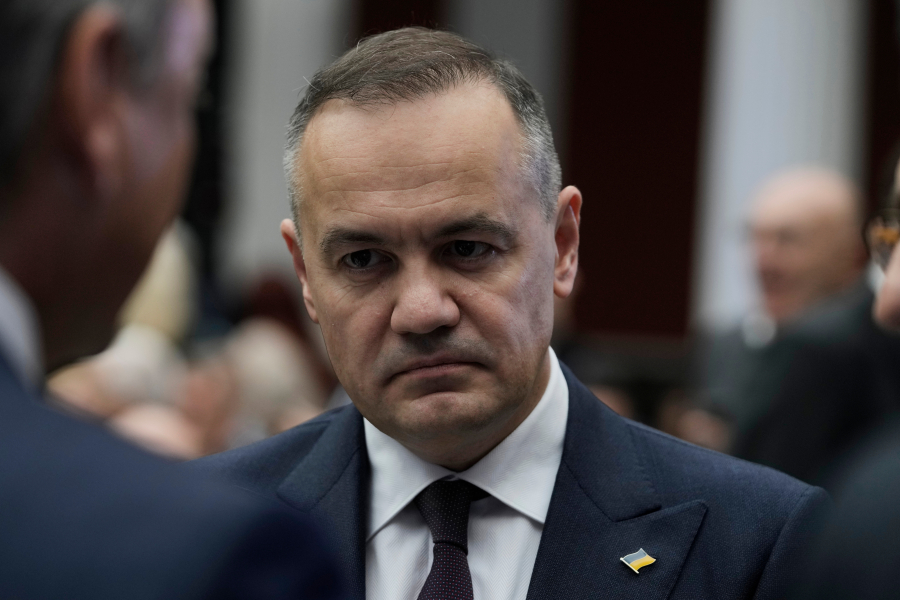
Maksym Timchenko is one of the most influential figures in Ukraine’s business elite, particularly in the energy sector. The 50-year-old executive has been the chief executive officer of DTEK since the company’s founding in 2005. DTEK is part of System Capital Management (SCM), the investment group controlled by Ukrainian billionaire Rinat Leonidovych Akhmetov, who is widely regarded as the richest person in Ukraine.
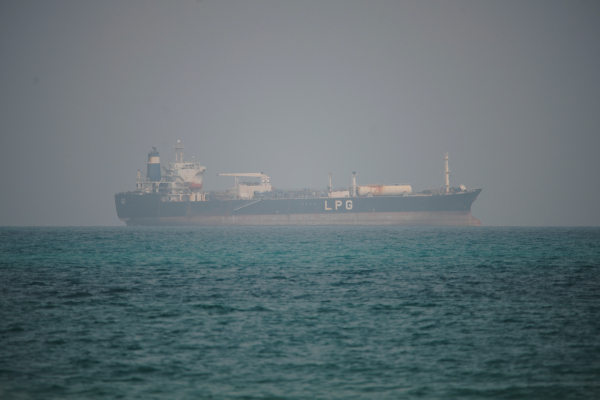
Timchenko is expected to spend more time in Greece, following his decision to establish a company there. At the same time, DTEK under Timchenko’s leadership is already making use of Greek energy infrastructure as part of its strategy to diversify Ukraine’s gas supplies. Several months ago, Ukraine received its first-ever shipment of liquefied natural gas from the United States via Greece’s Revithoussa LNG terminal. The cargo, amounting to 100 million cubic metres with an energy equivalent of one terawatt-hour, was handled by D.Trading, DTEK’s trading subsidiary. DTEK retained around one-tenth of the volume for its own needs, while the remainder was resold to companies in the Greek market.
That delivery marked the opening link in a broader supply chain that DTEK has been securing, not only from the United States but also through commercial agreements with suppliers in Northern Europe and the Baltic region. It remains unclear whether Timchenko has already held talks with the management of major Greek and regional energy players, including HELLENiQ ENERGY, Motor Oil, Gastrade, Mediterranean Gas and the state-controlled gas company DEPA, regarding potential future cooperation.
What is clear, however, is that the strategic interests of these companies are increasingly aligned. Both DTEK and the Greek energy groups are seeking to strengthen the emerging European “Vertical Corridor”, a north–south route designed to move larger volumes of LNG into Southeastern and Central Europe. In this context, Greek companies are pursuing a series of floating storage and regasification unit (FSRU) projects at different locations, aimed at boosting LNG import capacity and facilitating access to new markets.
HELLENiQ ENERGY is planning an FSRU near Thessaloniki in northern Greece, while Motor Oil is moving ahead with an FSRU project at its refinery complex near Corinth. Gastrade, controlled by the Copelouzos Group, is promoting a second FSRU in the region of Thrace, complementing existing infrastructure. Mediterranean Gas, backed by a prominent Greek shipping family, is seeking to develop an FSRU at the port of Volos, while DEPA aims to play a more active role by leveraging its participation in an international LNG trading venture and linking it to the Volos project.
With so many potential partners, projects and entry points into the Greek and wider regional energy market, Timchenko appears to have no shortage of options as he deepens his engagement with Greece and the evolving European gas landscape.