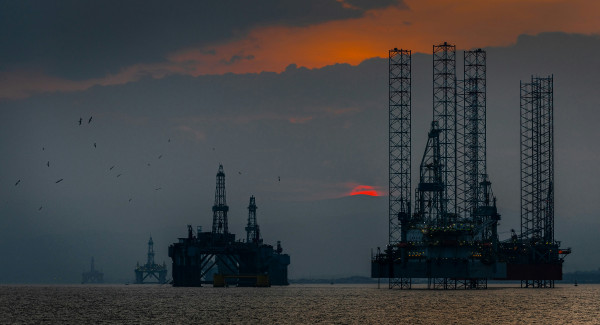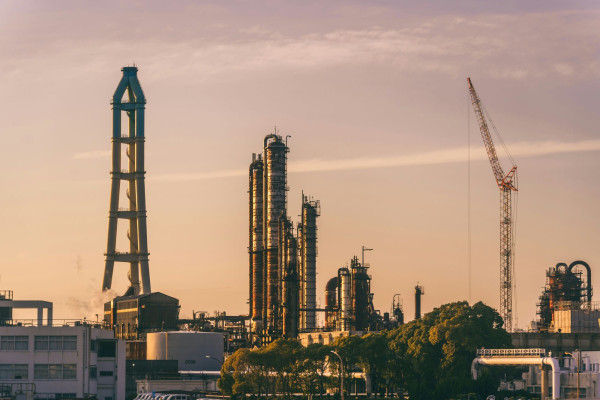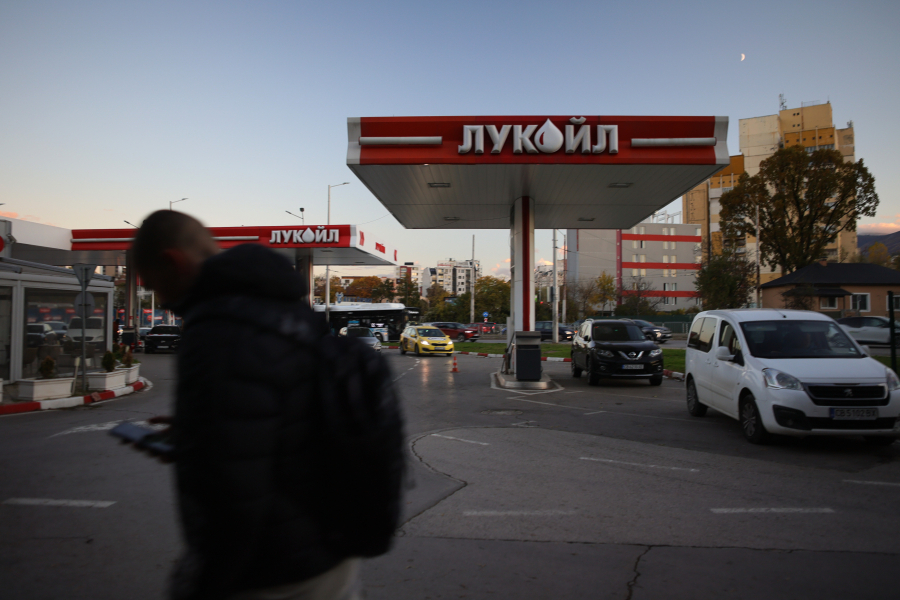

The global energy world is watching Romania closely this Friday, as the government takes the significant step of activating U.S. sanctions against the Petrotel–Lukoil refinery. With that move, Bucharest launches a new and intensely delicate chapter in the debate over the Russian company’s future presence in the country. A second and even more consequential deadline looms on December 13, when the final stage of sanctions—covering not only the refinery but also Lukoil’s nationwide network of 320 fuel stations—will come into effect.
Those 23 days in between are now seen as a critical countdown. They will shape not only the destiny of key Romanian energy assets but also the government’s strategy and the lineup of potential investors circling the market.
Romanian officials had briefly considered a temporary nationalization of the Petrotel–Lukoil refinery. Yet the idea collapsed under the weight of financial realities: the state lacked roughly €200 million in immediate liquidity, a sum needed to restart operations quickly should it assume control.
With nationalization off the table, the government is pivoting toward a rapid, state-managed sale—an attempt to secure an orderly transition and avoid turbulence in the country’s fuel supplies. Within that shifting landscape, at least three companies have formally stepped forward, according to government sources, expressing interest in acquiring either the refinery or Lukoil’s retail network.
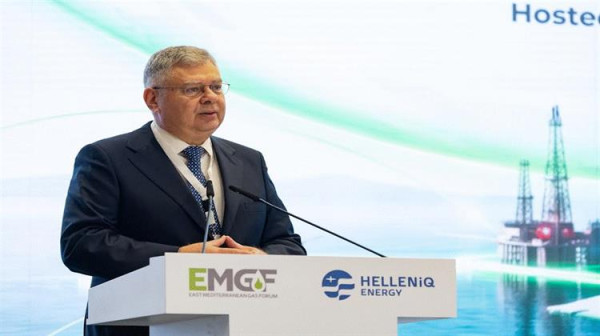
The U.S. investment fund Carlyle, which already has a foothold in Romania through Black Sea Oil & Gas, is widely viewed as the frontrunner. Also weighing their options are Hungary’s MOL Group and Greece’s HELLENiQ ENERGY, the latter emerging as one of the most active suitors for Lukoil’s Romanian portfolio.
When approached for comment, HELLENiQ ENERGY declined to respond.