
The findings come from the latest living-conditions report published by the Hellenic Statistical Authority (ELSTAT).
Eurostat data for 2024 show that 26.9 percent of Greeks were at risk of poverty or social exclusion, compared with an EU-27 average of 21 percent. Only Romania and Bulgaria reported worse figures, with Bulgaria set to join the eurozone in January 2026. The poverty-risk indicator reflects the percentage of people living in households whose equivalized disposable income falls below 60 percent of the national median.
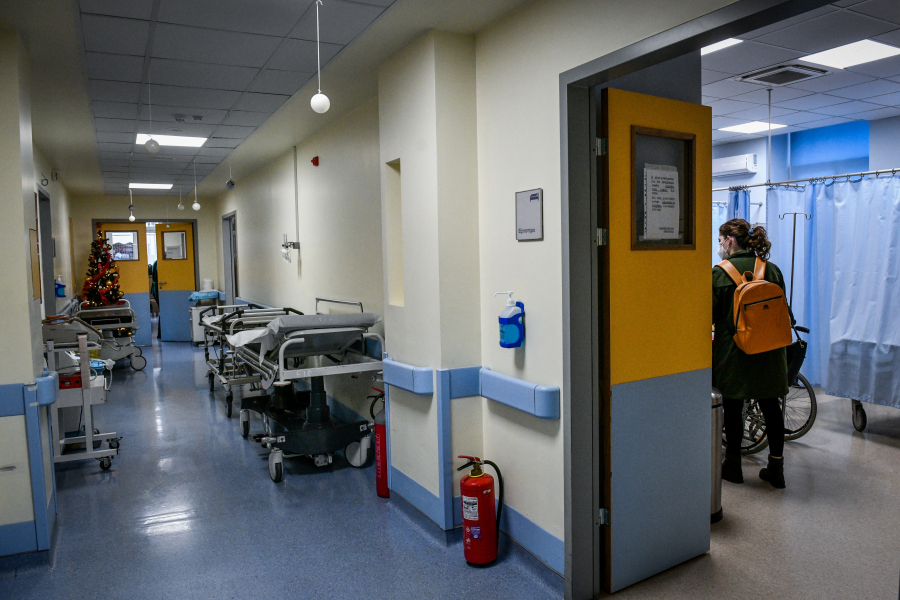
Access to healthcare emerges as an equally pressing issue. According to ELSTAT, Greece leads the Eurozone in the share of citizens who say they were unable to obtain the medical care they needed during visits to hospitals or other health facilities. In 2023, 13 percent of Greeks reported being unable to receive a necessary medical examination or treatment—whether because appointments were postponed, surgeries skipped or therapies abandoned. Respondents cited financial difficulties, long waiting lists and the logistical challenges of traveling from rural regions to major urban centers.
Preliminary Eurostat data from July 2024 paint an even starker picture, putting the rate of unmet medical needs in Greece at 21.9 percent, compared with just 3.6 percent across the European Union. That gap underscores the severity of the country’s public-health shortcomings. Women and older adults are particularly affected: women report unmet medical needs more often than men, and the rates climb further among people over 65 and among low-income households.
Within the broader European landscape, Finland and Estonia follow Greece on this metric, although with significantly lower rates. At the other end of the spectrum, Cyprus, Malta and the Czech Republic report near-zero levels of unmet healthcare needs.
The paradox is that Greece is not short of medical professionals. With 6.6 doctors per 1,000 inhabitants, the country has one of the highest concentrations of physicians in Europe. It also has roughly 420 hospital beds per 100,000 residents and around 100 pharmacies per 100,000—again among the highest rates in the EU. Yet access remains unequal, especially outside major population centers, revealing that the issue is less about the number of healthcare providers and more about the financial and structural barriers that prevent citizens from reaching them.