
The court upheld the administrative fines imposed on Efthymios Bouloutas, Eleftherios Chilliadakis, Markos Foros, and Panayiotis Kounnis by the Cyprus Securities and Exchange Commission (CySEC) in 2014, in connection with the bank’s exposure to Greek government bonds that were later subjected to a steep “haircut.”
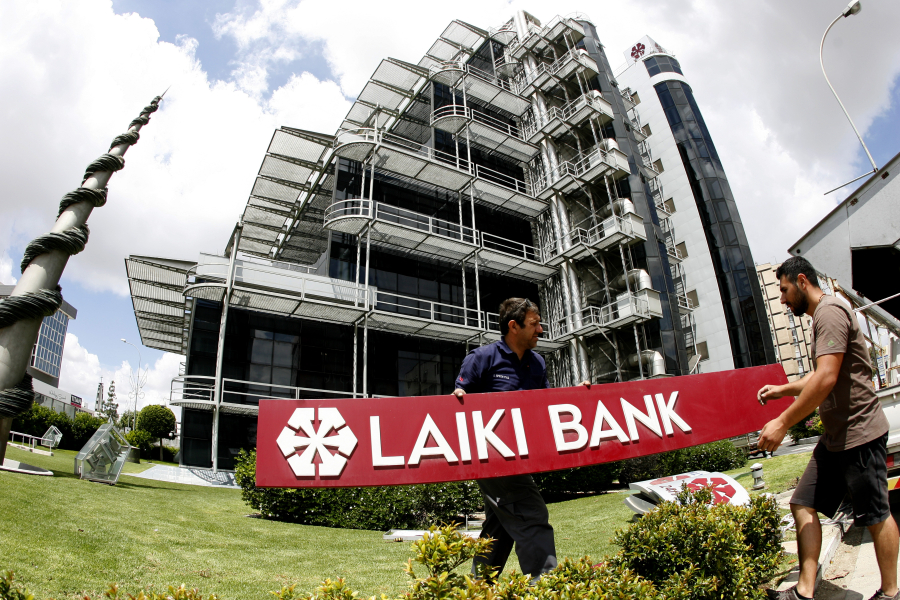
The case centered on the financial disclosures made by Cyprus Popular Bank (also known as Laiki Bank) during 2010 and 2011, as well as the prospectuses the bank issued while raising capital. CySEC had concluded that the bank’s leadership provided misleading information about the risks tied to Greek government bonds, which by 2010 had already been downgraded to junk status. Regulators found that the bank’s financial reports did not clearly reflect its growing risk exposure, and that prospectuses signed by Bouloutas and Kounnis failed to disclose both the true nominal value of the investments and the significant risks associated with them.
Based on these findings, CySEC imposed fines amounting to €705,000 for Bouloutas and between €90,000 and €430,000 for the other executives. In their appeal, the former officials argued that CySEC’s then-chair had been biased against them, citing alleged comments she made to a newspaper. The court found no reliable evidence to support this claim, describing the testimony as vague and insufficient. It also rejected the argument that CySEC’s approval of the bank’s prospectuses shielded the signatories from responsibility for their contents, noting that the law assigns personal liability to those who sign such documents regardless of regulatory approval.
By confirming an earlier ruling from the Administrative Court in 2020, the Supreme Constitutional Court has now brought to an end a years-long judicial process closely tied to the collapse of Cyprus Popular Bank and the broader financial turmoil that struck Cyprus in the early 2010s.