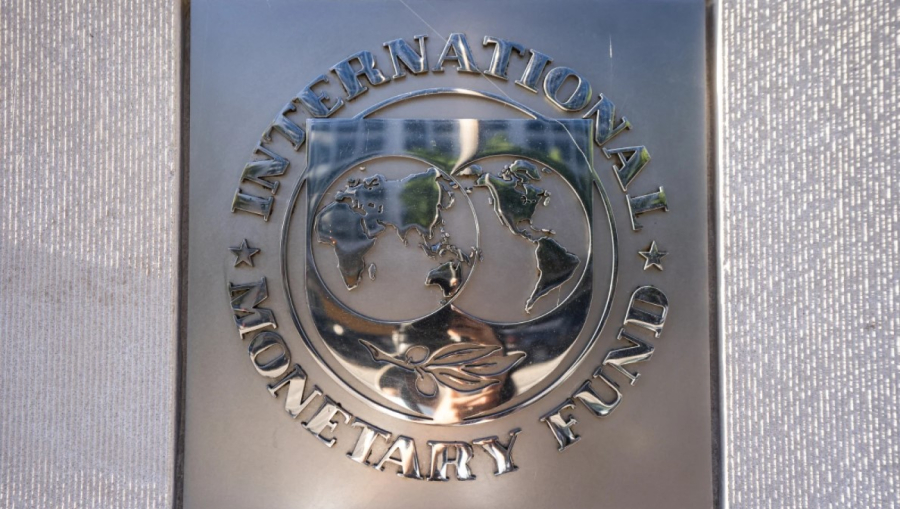

Europe is facing what the International Monetary Fund calls “the biggest financing challenge in its modern history,” as rising public spending pressures threaten the continent’s economic stability and social cohesion. In a new report titled “How Can Europe Pay for Things That It Can't Afford?”, the IMF warns that without urgent action, European public debt could more than double over the next 15 years, risking a damaging cycle of higher interest rates, weaker growth and declining market confidence.
The Fund highlights that European governments are being pulled in many directions at once. Defence budgets must grow amid heightened geopolitical tensions and war on the continent. Major investments are needed in energy security and digital transformation. Meanwhile, the cost of ageing populations—from pensions to healthcare—is soaring.
According to the report, spending pressures will rise by around 4.5 percentage points of GDP in Western Europe by 2040, and by 5.5 points in Central and Eastern Europe. Yet even as citizens demand stronger public services, they resist both higher taxes and larger budget deficits. “Europeans support higher public spending, but not higher taxes or larger deficits,” the IMF observes, underscoring a political contradiction that leaves policymakers with narrowing options.
If governments fail to adjust course, the IMF projects average public debt across Europe could reach roughly 130 percent of GDP by 2040—and climb toward 150 percent if high debt continues to weigh on growth. At those levels, the report warns, Europe risks serious financial and macroeconomic instability.
To avoid such a scenario, the report calls for a simultaneous push on structural reforms, fiscal consolidation and a reassessment of the state’s role in social provision. Growth-boosting reforms—including pension changes, labour-market improvements, tax-system modernization and deeper EU integration in markets, energy and fiscal policy—could lower debt by about 25 percentage points of GDP compared with doing nothing. But the IMF stresses that reforms alone will not suffice.
Most European countries, the Fund estimates, will need fiscal adjustments of roughly 3.5 percent of GDP over the next five years through a mix of spending restraint and higher revenues. Highly indebted nations will need to do even more, potentially beyond the limits of conventional fiscal policy—and may need to rethink the contours of the European social model. In some cases, governments could differentiate between basic and premium public services, with wealthier users contributing more. Many European states already fund a larger share of health, education and pension spending than the OECD average, suggesting room for greater private involvement.
Delaying action will only make the problem more expensive and disruptive. If reforms are postponed by five years, the report estimates that the required fiscal adjustment rises by more than one percentage point of GDP annually, forcing deeper changes to the welfare state and the state’s role in society.
The IMF concludes that Europe must act quickly and in a coordinated manner, combining national reforms with deeper European integration to safeguard economic stability and preserve its social contract. “No single solution is sufficient; a combination of reforms, fiscal adjustment and broad public debate is required,” the report emphasises.