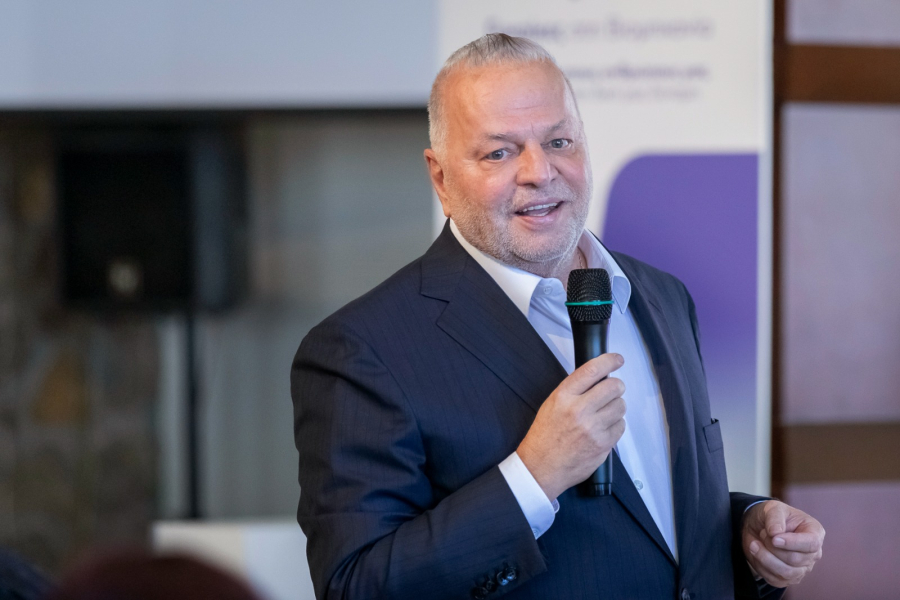
Greek industrialist Evangelos Mytilineos has urged European leaders to confront the realities of the green transition, warning that politicians have not been honest with the public about its true financial cost. Speaking to the BBC on Thursday, the chairman and CEO of Mytilineos Group called for “a more honest and pragmatic public debate about what the energy transition will truly require,” stressing that without transparency, public support will continue to erode.
“Politicians have failed to be upfront about the enormous investments needed in energy infrastructure,” Mytilineos said. “Most companies were eager when asked, ‘Do you want to go full speed ahead with the Green Revolution?’ But the real question should have been: are you willing to spend 30 percent of your income over the next 30 years on the green transition? The answer might have been very different.”
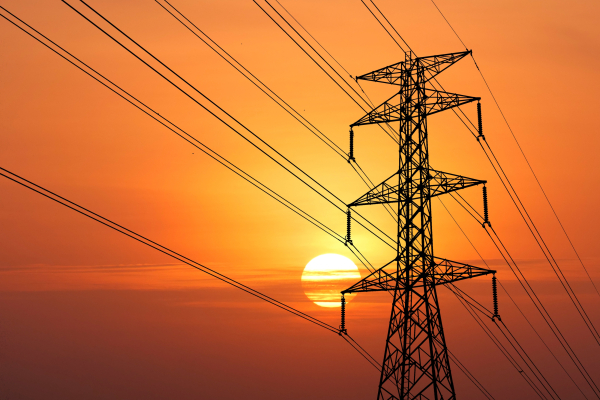
Mytilineos argued that Europe and the UK are paying the price for this lack of honesty, as high energy costs cripple industrial competitiveness. As president of Eurometaux, the European association for non-ferrous metals, he noted that many energy-intensive companies have shut down in recent years because they simply cannot afford to operate. “The energy cost situation in the UK and Europe for industry is unsustainable,” he warned. “We have hundreds of members, and a large number of the most energy-intensive companies have gone out of business over the past three years—all because of energy prices. They simply cannot compete.”
He also warned that political denial of the economic burden of decarbonization could have broader consequences. Pointing to former U.S. President Donald Trump’s recent remarks dismissing climate change as “the greatest hoax ever perpetrated on the world,” Mytilineos said such narratives are gaining traction. “Trump influences a lot of people around the world,” he said. “So we may start seeing, as we already do in Europe, especially on the right, more parties blocking measures for the energy transition.”
According to Mytilineos, the solution lies in transparency and realism. “We need to assess what society truly needs, what resources we have, and how we can realistically reach our goals,” he said. “Let’s sit down and ask: how much money do we have, and how much can we invest in infrastructure? Then let’s explain that to the public. Otherwise, we’ll lose them—and resistance will keep growing.”
Despite his criticism, Mytilineos expressed optimism about the direction of the UK and Europe, particularly when it comes to cooperation after Brexit. He said London is regaining its appeal as a financial center and praised the improved political climate between Brussels and London, especially on defense matters. “My impression from Brussels is that attitudes toward the UK are much more positive than they were a few years ago,” he said. “The fact that the UK is eager to support Europe on defense means the environment is now far better for reaching agreements on key issues.”
For Mytilineos, the green transition remains essential—but only if it is pursued with honesty and accountability. “If we don’t explain the true cost and effort required,” he warned, “we risk losing both industry and public trust along the way.”