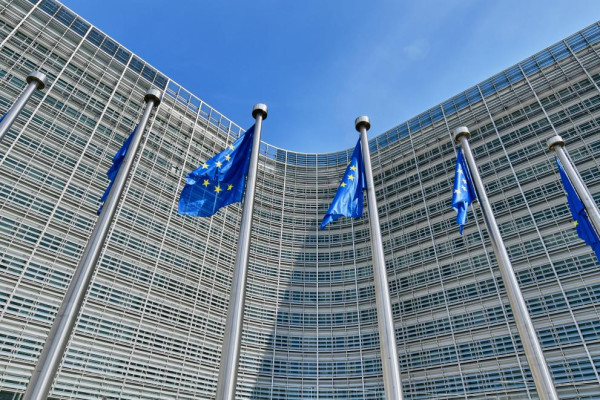


In its 2024 Annual Report, released this week, the Court points major deficiencies in how Athens is implementing projects financed through the EU’s Recovery and Resilience Facility (RRF), as well as broader structural flaws in public spending.
While Greece is among the few EU countries with a system capable of tracking Recovery Fund disbursements down to the level of final recipients, the auditors note that this advantage is undermined by slow project execution, poor documentation of payments, and weaknesses in eligibility procedures. In some cases, projects were found to have started before the official eligibility period began — a violation that could result in the loss of EU funding.
The report also warns of possible double funding, as overlaps were detected between the Recovery Fund and other European financing programs. Oversight of final beneficiaries remains inadequate, and in several projects, Greece has not fully met the milestones and targets required for disbursements, causing delays in payments from the European Commission.
By the end of 2024, final recipients in Greece had spent only 39 percent of the funds allocated in the national budget for RRF-related projects and reforms. Although this figure represents 82 percent of the amounts already disbursed by the Commission, it remains notably below Italy’s 49 percent, suggesting a slower pace of implementation.
Despite recent improvements, the report underscores that Greece’s public administration continues to suffer from deep-seated problems, including excessive bureaucracy, administrative inefficiency, and poor record-keeping of co-financed projects. The auditors also found that the country still falls short of EU transparency requirements, particularly in the areas of public procurement and supplier selection.
One particularly striking case cited by the Court involves a loan granted through a financial instrument to a small business for the purchase of a property with a swimming pool, which was then used as the company shareholder’s private residence. The expenditure was deemed ineligible because it did not constitute a productive investment, yet the intermediary financial institution approved the loan despite being aware of the violation.
In another example, involving a €276 million project to build migrant accommodation centers on the islands of Samos and Kos, auditors reported serious damage to equipment and inadequate maintenance of facilities. In some instances, firefighting equipment had been removed, making it unusable in the event of an emergency.
Similar weaknesses were found in the Erasmus+ program, where auditors recorded ineligible spending due to inflated staff costs.
The European Court of Auditors also expressed concern about cases in which payment milestones were marked as completed even though the relevant legislative measures had not yet come into force. Such practices, the report warns, raise serious questions about legality and could lead to future financial corrections.