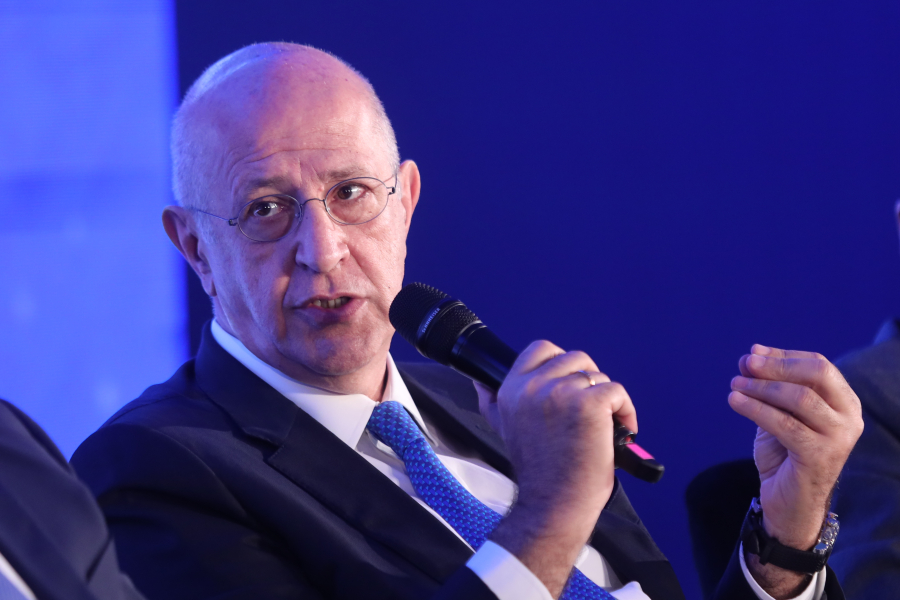
At the General Assembly of the Hellenic Federation of Enterprises (SEV), held on Tuesday, SEV President Spyros Theodoropoulos issued a stark warning about the persistent structural weaknesses of the Greek economy, calling for urgent reforms to tackle high energy costs, excessive bureaucracy, and delays in the justice system.
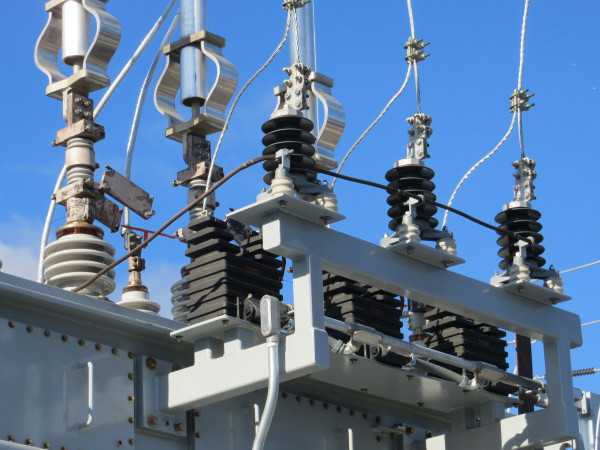
Theodoropoulos described the country’s energy costs as a matter of “survival” for its industrial base, noting that Greece remains among the European Union member states with the most expensive electricity. The burden of energy prices, he said, undermines competitiveness across all sectors and fuels inflation. For energy-intensive industries, in particular, access to affordable and predictable energy is a prerequisite for survival.
He went on to highlight the damaging effects of overregulation, administrative complexity, and the slow pace of justice, describing them as major deterrents to investment and barriers to a more dynamic market economy. These long-standing weaknesses, he warned, continue to hold back Greece’s full growth potential.
At the heart of his address was a strong appeal for productivity to become a national priority. “The goal is not to work more, but to work better and more efficiently,” he said, urging the state, businesses, and society to commit jointly to this shared goal “with consensus and without toxicity.” Productivity, he emphasized, is the only sustainable path to competitiveness, growth, and social prosperity.
Setting Greece’s situation in a wider context, Theodoropoulos described a global environment marked by instability and uncertainty, with serious implications for trade, energy, and supply chains. He warned that Europe is falling behind the United States, China, and India in terms of growth, productivity, and technological progress, noting that only 11 percent of the recommendations contained in the Draghi Report have been implemented—an indication of Europe’s sluggish response to its economic challenges.
Despite these global headwinds, he acknowledged that Greece has made significant progress in recent years. The country has achieved steady growth above the EU average, regained investment-grade status, reduced unemployment and taxation, increased wages, and curbed tax evasion. “Greece now functions as a normal economy, living within its means and no longer burdening future generations,” he said.
Theodoropoulos also underlined the central role of industry as a driver of growth. In 2024, the value of Greek exports reached €50 billion, matching tourism revenues for another consecutive year. Industry, the country’s second-largest employer after commerce, offers salaries 35 percent higher than the national average. Sectors such as food, pharmaceuticals, metals, and chemicals are expanding dynamically in international markets, while the country’s innovation ecosystem is growing rapidly, now counting around 3,000 startups with a total valuation approaching $12 billion.
Nonetheless, he cautioned that Greece still faces major challenges. The trade deficit, bureaucratic complexity, and delays in the judicial process remain critical weaknesses that must be addressed “swiftly and decisively” if the country is to become truly competitive.
On productivity, Theodoropoulos noted that Greece’s performance stands at just 54 percent of the EU average, and the industrial sector at 75 percent, figures that have remained stagnant for nearly three decades. “Productivity doesn’t mean working longer hours—it means creating more value per hour worked,” he said, adding that productivity depends on organization, technology, investment, education quality, and regulatory stability.
He called on the government to make productivity a core criterion in all public policy decisions and urged businesses to invest more in digital transformation, outward-looking strategies, and human capital.He also reiterated SEV’s proposal for “super-deductions” as a broad-based incentive to stimulate productive investment.
Concluding his speech, Theodoropoulos appealed for collective effort and cooperation. “We must move from individual to shared effort, and take the next step—from a normal country to a productive country,” he said. “Improving productivity is the path to better jobs, higher wages, and social prosperity—not a Trojan horse for more intensive labor.”
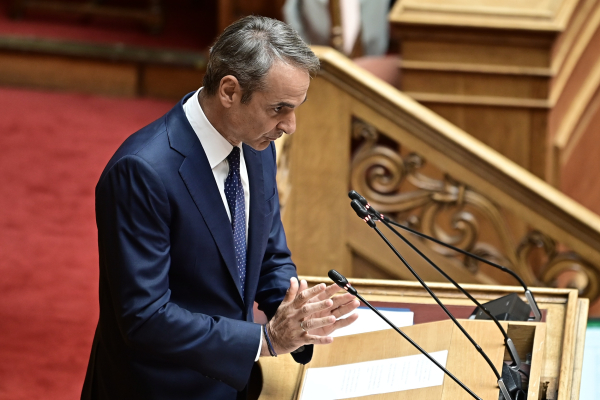
The event was attended by the President of the Hellenic Republic, while Prime Minister Kyriakos Mitsotakis also addressed the Assembly. The keynote speaker, Dr. Joachim Nagel, President of the German Bundesbank and member of the European Central Bank’s General Council, praised Greece’s progress over the past decade, describing it as “not only a national success story, but an inspiration for all of Europe,” adding that “reforms, however difficult, do pay off.”