
The document, published on Monday, lays out the terms and commitments of the bid in full legal and financial detail. Yet nowhere in the official text — not even in approximate form — is there any reference to the overall expenses Euronext expects to incur. For a process that entails substantial advisory fees and regulatory costs, the omission is striking.
Fees for the financial advisor, Deutsche Bank AG, and for the offer manager, Eurobank, are known to be integral to such transactions. In addition, legal services, the preparation, translation, and printing of the prospectus, as well as communication, publicity, and approval costs related to Greece’s Capital Market Commission, are all likely to represent a significant financial outlay. None of these, however, are quantified in the document.
The lack of transparency raises questions about how “complete” the prospectus truly is. Investors — and particularly Euronext shareholders — might reasonably expect to know the total amount of money being spent to complete the acquisition.
The prospectus names Pierre-Prosper Chabrier, Euronext’s Head of Mergers and Acquisitions, as the official responsible for its preparation. Chabrier certified that the document “is complete and accurate, without omissions that could alter its content or the substance of the public offer.” Still, the absence of cost information leaves open the question of whether the omission was an oversight or a deliberate choice.
Completion of the deal is conditional upon at least 67 percent of ATHEX shares being tendered by the close of the acceptance period, though that threshold may later be adjusted downward.
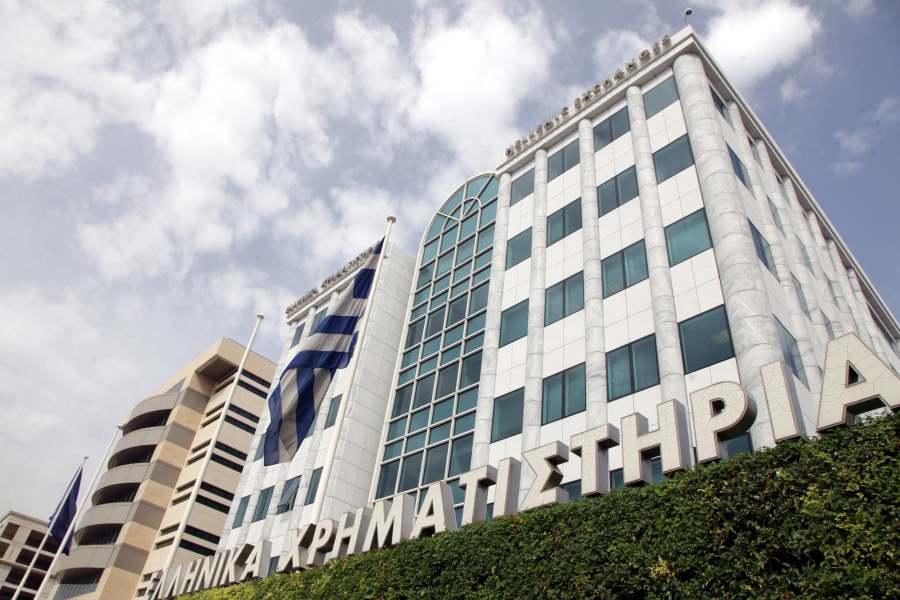
Under the Cooperation Agreement between the two parties, Euronext has pledged that ATHEX will retain its legal and operational headquarters in Greece, as well as its tax residency. The company will continue to meet its obligations under Greek law and maintain a meaningful presence in the local market.
Euronext also committed to operate ATHEX in a way that supports its long-term sustainability and its continued contribution to the Greek financial system, provided this does not conflict with its broader commercial or strategic interests. The exchange will remain the country’s primary trading venue and a key institutional pillar of the local capital market.
Following completion, ATHEX is expected to function as a regional hub within the integrated Euronext Group, serving as the Group’s base for future growth across Southeast Europe. The company will also explore the establishment of a new group-level technology center in Greece.
In terms of governance, Euronext plans to include a Greek representative on its Supervisory Board following the 2026 annual meeting, subject to shareholder and regulatory approval. The CEO of ATHEX is also expected to join Euronext’s Managing Board.