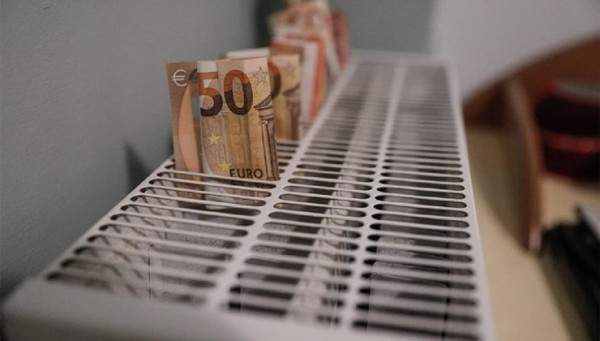

They are worth no more than €7.88. The striking part is not the paltry sum itself, but the story behind it: those few euros are all that remain of a €20 million investment made only a decade ago.
The saga began in December 2015, when EYDAP’s board of directors decided—later ratified by an Extraordinary General Meeting in January 2016—to join a capital increase in Attica Bank. At the time, the company’s leadership under CEO Giannis Benisis presented the move as a “strategic investment,” one that was proudly added to EYDAP’s portfolio of equity holdings.
Reality proved far harsher. In 2018, EYDAP declined to exercise its preferential rights in another share issue, allowing its stake to be diluted. What followed was a cascade of reverse stock splits that progressively wiped out the value of its holding: one-for-sixty in 2021, one-for-one-hundred-and-fifty in 2023, and finally one-for-one-hundred-and-four in October 2024. Each adjustment drastically reduced the number of shares while recalibrating their price on the Athens Stock Exchange.
The consequence is stark. From €20 million invested in 2016, EYDAP is left in 2025 with five CrediaBank shares worth less than a sandwich and coffee in central Athens. Despite recurring press coverage of EYDAP’s ill-fated bet on Attica Bank, no one has ever been called to explain how a venture once described as “strategic” was allowed to evaporate, taking shareholder money with it.
Meanwhile, the ownership structure of EYDAP itself has remained largely unchanged. The Greek state continues to hold sway with 50 percent of the voting rights as of August 2023. The Hellenic
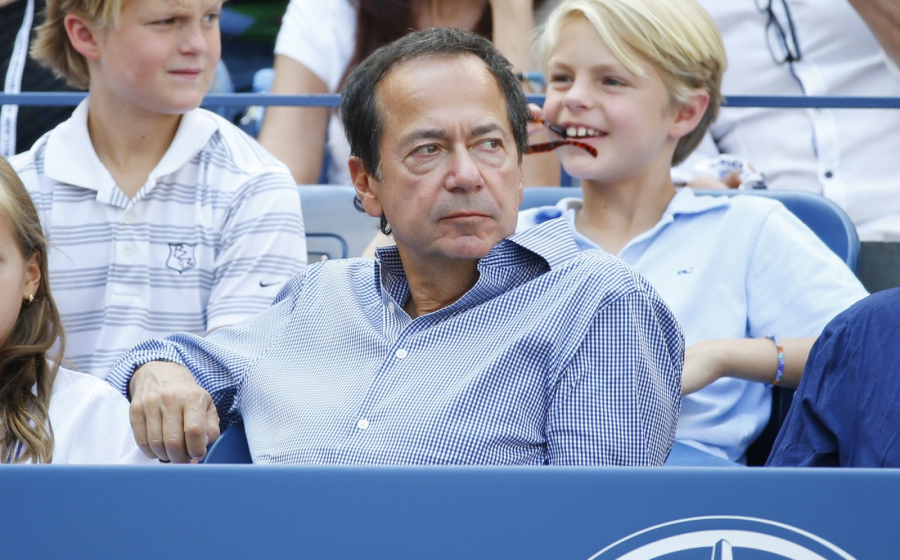
Corporation of Assets and Participations, the sovereign wealth fund managing state holdings, controls just over 11 percent following a restructuring in January 2025. On the private side, U.S. investor John Paulson, through his hedge fund Paulson & Co. Inc., maintains a stake of nearly 10 percent, with voting rights exercised on behalf of the funds he manages.