
The measures included changes to income tax brackets, reductions in imputed living expenses, and targeted provisions for large families and young people under 30. Officials presented these as crucial steps toward giving taxpayers breathing space.
Yet data released this week by Greece’s national statistics authority (ELSTAT) paints a sobering picture of household finances. The 2024 Household Budget Survey shows that, despite spending increases,
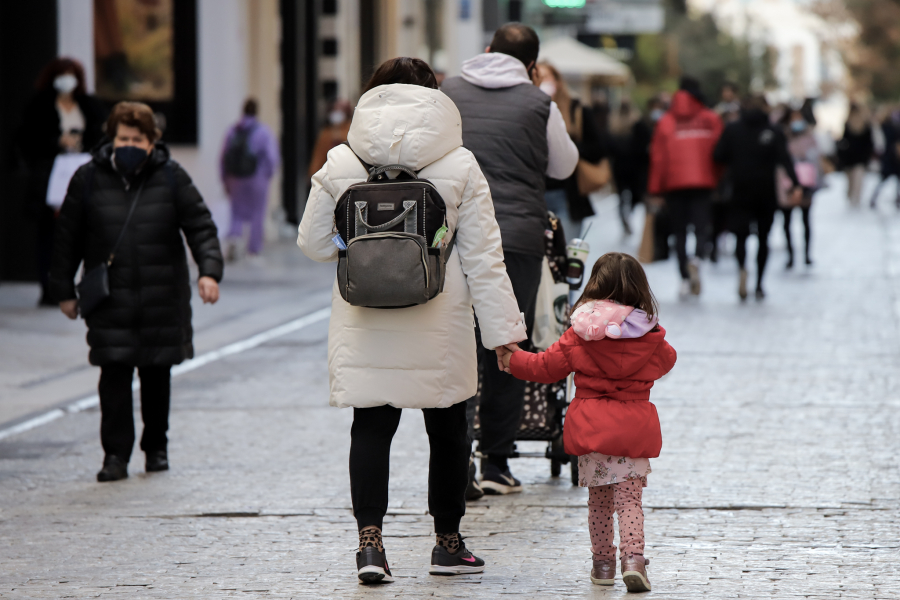
Greek families remain under severe strain from inflation. Average household expenditure rose to €20,694 last year, or about €1,724 per month. While this represented a 3.6 percent increase in nominal terms compared with 2023, in real terms — adjusted for inflation — it translated to just a one percent gain. Purchasing power, in other words, has essentially stagnated. More striking still, household spending remains 16.6 percent lower than it was in 2008, before the financial crisis.
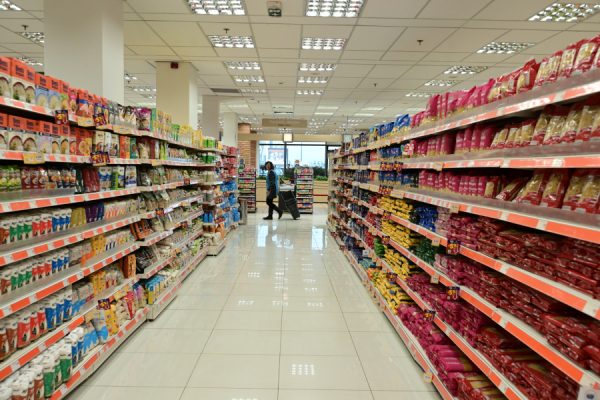
The disparities between income groups are stark. The poorest fifth of households devote more than half of their budget — 55.9 percent — to food and housing, while the wealthiest fifth spend less than a quarter of their resources on the same essentials.
Half of all households survive on less than €1,338 a month, leaving virtually no room for saving or improving their living standards. Rising costs in basic goods underscore this squeeze: the price of oils rose 12.6 percent in 2024, fish by 9.3 percent, and fruit by 4.8 percent.
The government’s planned reforms are significant on paper. A two percent tax cut for incomes between €10,000 and €40,000, the creation of a new 39 percent tax bracket for incomes between €40,000 and €60,000, and special reductions for families with children are designed to benefit around four million taxpayers. But these measures will not take effect until the 2026 tax year. For households already struggling, that means no immediate relief. Moreover, low-wage earners and many pensioners — often below the taxable threshold — will see little benefit at all.
Their daily reality continues to be dominated by rising living costs. Rent now consumes 17.1 percent of the budgets of tenant households, while housing overall accounts for 14.4 percent of all household spending.
Perhaps the most glaring gap in government policy, however, is its inaction on indirect taxes. Value-added tax on food and other essentials remains high, hitting low-income households hardest. Each price increase directly deepens the strain on already fragile family budgets.