
In the years following 2019, Greece embraced a wave of subsidy-driven policies that came to dominate its economic strategy. The COVID-19 pandemic marked the beginning of unprecedented state intervention: in just two years, more than €33 billion was poured into supporting workers, the unemployed, and businesses. The immediate relief helped prevent mass unemployment and a social crisis, but it also introduced a new culture of widespread state handouts.
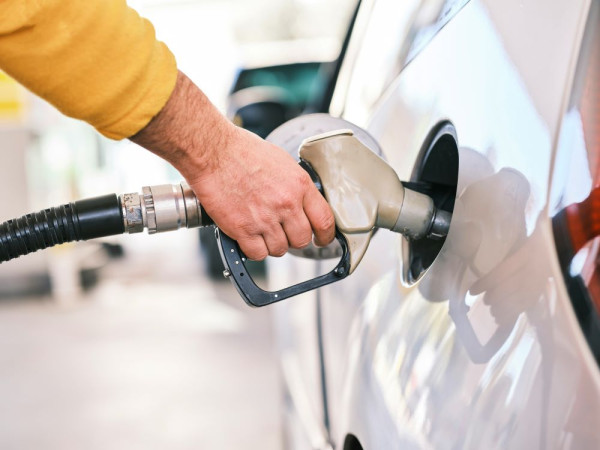
The trend only deepened during the energy crisis of 2022 and 2023. The government rolled out a series of allowances known as the “passes”—from the power pass to the fuel pass and the market pass. Together they cost the state over €9 billion, equivalent to around 5.2 percent of GDP. For millions of households, these measures provided crucial short-term relief, but economists warn that the longer-term impact has been less benign.
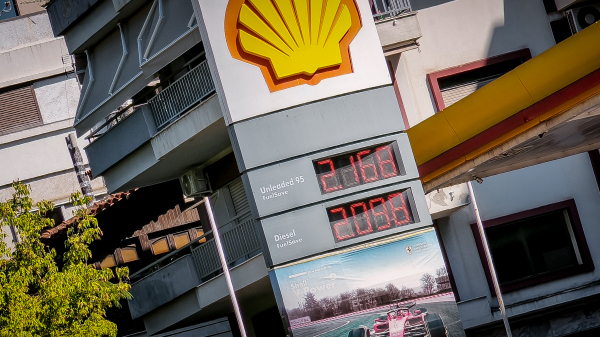
The subsidies distorted market signals and weakened incentives. When part of the cost of energy or fuel is covered by the state, consumers feel little pressure to reduce consumption or turn to alternatives. Demand remains artificially high, keeping prices elevated beyond what market forces would dictate. The same was true with the market pass: households had more disposable income, but the effect was to prop up supermarket prices rather than bring them down. What began as short-term protection gradually turned into long-term dependence on public resources.
At the same time, Greece’s structural weaknesses left it ill-prepared to absorb these policies productively. Labor productivity remains among the lowest in Europe: in 2023, output per hour worked was just 56.2 percent of the EU average. This is not an anomaly but a reflection of long-standing challenges—overreliance on low-yield sectors such as tourism and hospitality, and the predominance of small and very small businesses. Subsidies, rather than correcting these imbalances, often reinforced them by cushioning inefficiencies instead of driving change.
The contrast with more dynamic sectors is stark. Employment in medium- and high-tech industries remains limited, restricting prospects for productivity growth. In this context, subsidies serve as a lifeline for households and businesses during crises but rarely align with a broader strategy to enhance competitiveness. Billions spent during the pandemic and energy crunch prevented social collapse but were not channeled into investments that could have strengthened long-term resilience, such as infrastructure or the green transition.
The country’s business landscape further complicates the picture. Microenterprises employ nearly three-quarters of Greece’s workforce, yet their productivity lags far behind that of larger European companies. In such an environment, subsidies do not encourage innovation or efficiency; they entrench the existing model, locking the economy into low productivity.
Other systemic flaws add to the problem. Tax evasion remains widespread, allowing individuals without genuine need to benefit from subsidies, weakening their effectiveness. Bureaucratic fragmentation and lack of coordination dilute their impact even further.