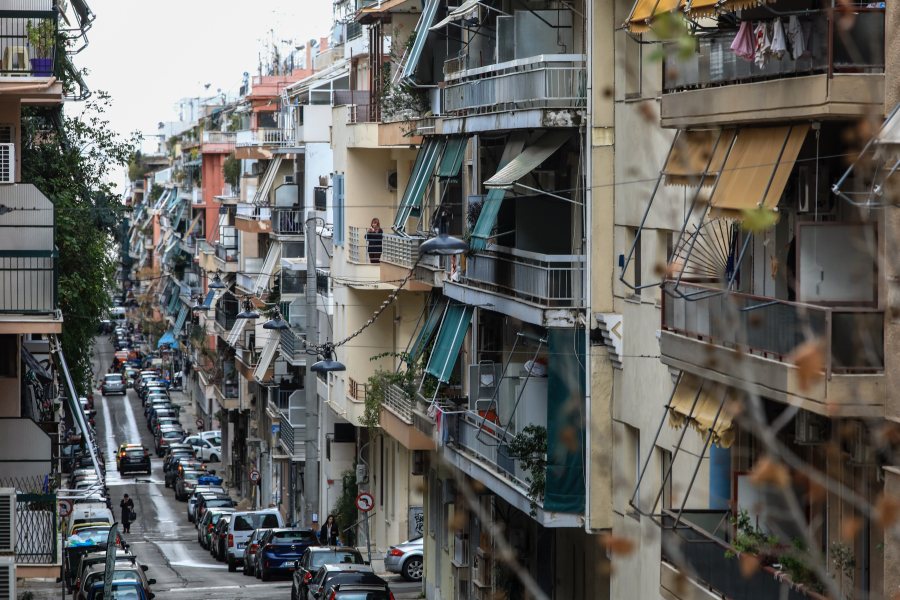

Across Europe, young people are struggling with the rising cost of housing, but nowhere is the burden heavier than in Greece. According to the latest Eurostat data, more than 30 percent of Greeks aged 15 to 29 live in households that spend at least 40 percent of their disposable income on housing. That figure is the highest in Europe, far above the EU average of 9.7 percent for the same age group.
The situation stands in stark contrast to countries such as Croatia, Cyprus and Slovenia, where only a small fraction of young people face such housing pressures. Denmark, the Netherlands, Germany and Sweden also report high levels of cost overburden among the young, but none approach Greece’s levels.
What makes the Greek case particularly striking is that young people there leave their parents’ homes later than almost anywhere else in Europe. The average age of moving out is 30.7 years—compared with the EU average of 26.2—yet even after delaying independence, young Greeks encounter the steepest housing challenges on the continent. In Scandinavia, by comparison, young adults typically move out around 21 or 22, and while housing costs are significant, they are not as crippling as in Greece.
The trend highlights a paradox: staying longer in the family home does not shield young Greeks from financial strain. Instead, it points to the obstacles they face once they attempt to establish their own households. Low wages, soaring rents, the spread of short-term rentals and the shortage of affordable housing combine to make independent living one of the greatest challenges for Greece’s younger generation.