
The intervention from Brussels follows a major subsidy scandal at Greece’s national payments agency, OPEKEPE, which exposed fraudulent claims for EU money tied to non-existent or illegally leased pastures and farming activities that were never carried out. The scheme deprived genuine farmers of much-needed support and has reportedly implicated political figures, leading to the resignation of ministers and deputy ministers. The European
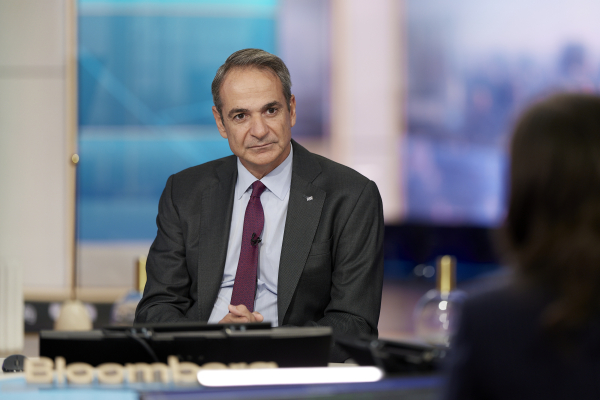
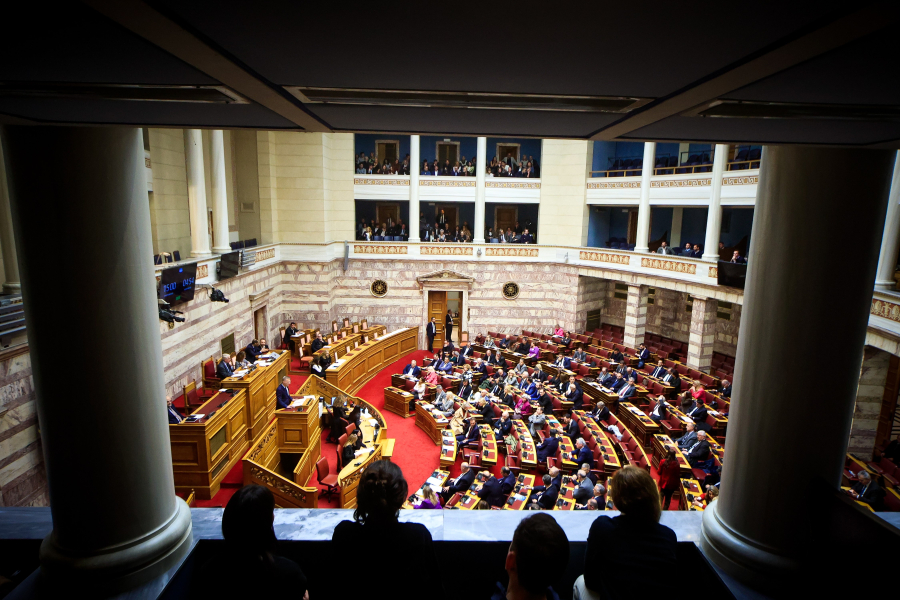
Public Prosecutor’s Office has launched a criminal investigation, while a parliamentary inquiry in Athens has ignited fierce clashes between the government and the opposition, which accuses Prime Minister Kyriakos Mitsotakis’ administration of attempting a cover-up.
In its letter, the Commission’s Directorate-General for Agriculture said Greece’s initial action plan failed to meet EU standards, describing the proposals as insufficient to remedy the shortcomings and non-compliant with the rules of the Common Agricultural Policy. Brussels has warned that if Greece does not present a fully credible plan by the deadline, subsidy payments will be suspended, significantly raising the pressure on Athens.
Agriculture Minister Kostas Tsiaras has sought to play down the threat, insisting that EU funds are not in danger. He said the government is already preparing a more robust plan and emphasized that OPEKEPE is being integrated into the Independent Authority for Public Revenue, a reform intended to allow cross-checks before subsidies are paid out. “The deadline concerns the submission of a new plan, which will be incorporated into the already submitted action plan,” he said, describing reports of an imminent suspension of funds as a “major misunderstanding.” He added that Greece had already secured a six-month extension beyond the original September 11 deadline to complete its reforms.
Tsiaras has also been dealing with another crisis at home: the outbreak of sheep pox among Greek flocks. Speaking after a meeting on the issue, he urged farmers not to conceal cases, warning that hiding infections only worsens the problem. Veterinary authorities, he said, had already found dead animals at farms where outbreaks were belatedly reported. Asked about preventive vaccination, the minister noted that Greece was awaiting scientific evidence and regulatory approval, stressing that incomplete immunity or inconclusive test results could trigger regional trade restrictions.
Returning to the subsidy scandal, Tsiaras acknowledged that OPEKEPE had long suffered from systemic failures. “OPEKEPE is a long-standing pathology, cross-party and decades old. We were confronted with our worst selves,” he said. “New Democracy has taken responsibility for its share. For a long time now we have been making a major effort to clean up OPEKEPE, to strengthen transparency and fairness. That is why it is being transferred into the Independent Authority for Public Revenue, an institution widely recognized for its transparent and rigorous oversight.”
Despite these assurances, the scandal continues to cast a heavy shadow over Athens, where opposition parties accuse the government of shielding politically connected figures from scrutiny. With Brussels threatening to suspend payments, Greece now faces mounting pressure to deliver reforms that will convince its European partners it can manage farm subsidies honestly and effectively.