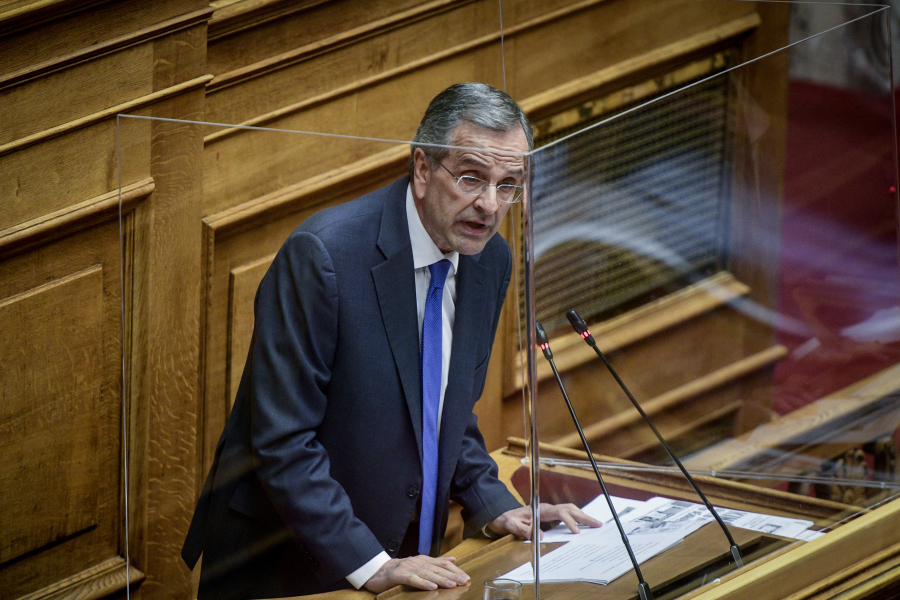

According to reports in Athens, the announcement could come within months, signaling the most serious challenge yet to Prime Minister Kyriakos Mitsotakis from within the conservative camp.
Despite speculation, Samaras is not expected to move against the government directly. Sources close to him insist that any sitting member of parliament wishing to join his movement would first need to resign from their seat or wait until the end of their current term. That stance has fueled talk that the initiative is aimed less at immediate disruption and more at building a credible alternative for the post-election period.
Samaras, who led Greece through the most turbulent years of its debt crisis, is said to be buoyed by opinion polls showing encouraging support for his potential return. His aides have already begun shaping policy proposals, sounding out prospective allies, and holding discreet international contacts.
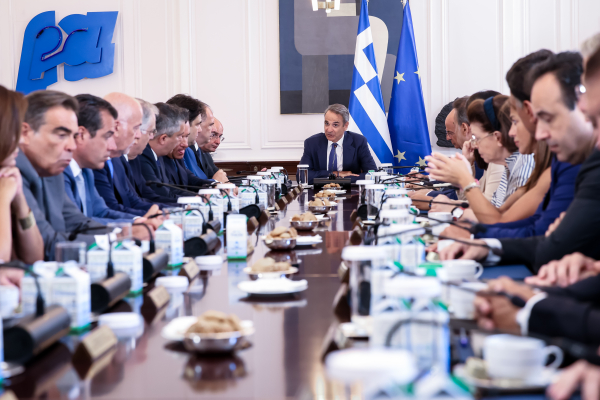
If the new party is indeed launched, the ripple effects could be felt quickly. Analysts note that it is uncertain whether Mitsotakis, who has struggled with internal dissent, will wish to govern until the end of his mandate in 2027 under the weight of fresh pressure. The Prime Minister’s Office reportedly fears not only Samaras’s return but also the possibility that other prominent figures, including former premier Alexis Tsipras, could unveil new political formations, further fragmenting the landscape.
The prospect of such shifts has already prompted unusual calls from within the government. Cabinet members Makis Voridis and Thanos Plevris have publicly urged Mitsotakis to seek reconciliation with Samaras. Yet those close to the former premier insist that the rift between the two men is unbridgeable. They also note that no similar rapprochement should be expected from another heavyweight of the conservative movement, former Prime Minister Kostas Karamanlis.