
The market began with steady gains in 2019, when prices rose at an average annual rate of 7.2 percent. The momentum was interrupted the following year as the pandemic dampened demand, reducing growth to just 4.5 percent. From 2021 onward, however, the recovery was swift and robust. Prices climbed by 7.6 percent that year and gathered even greater pace in the period that followed.
The real turning point came in 2022, when housing values jumped by nearly 12 percent on average. That surge was surpassed in 2023, a year that marked the peak of the boom, with prices rising close to 14 percent.
Since then, growth has cooled. In 2024, the average increase slowed to 9 percent, while in the first half of 2025 prices rose by just over 7 percent.
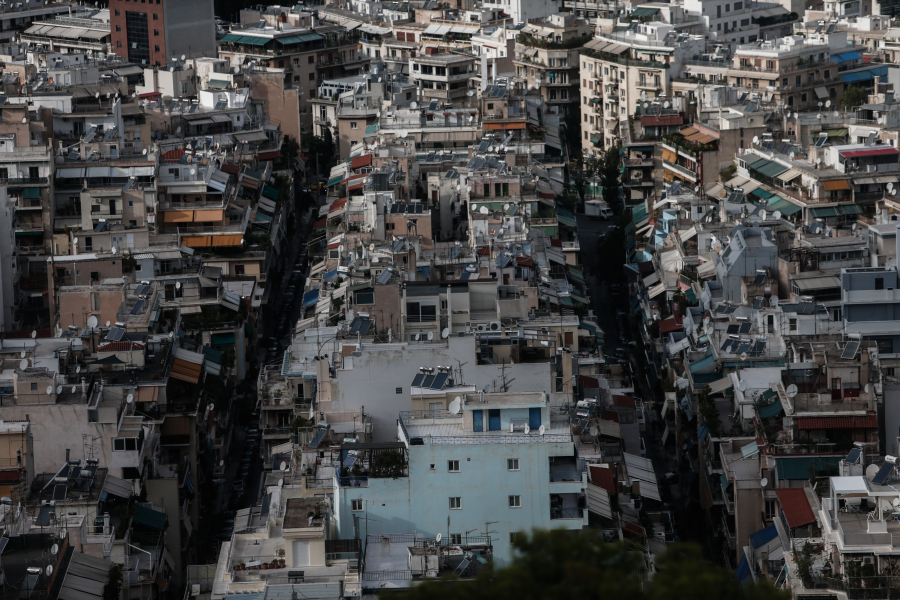
The impact of these shifts is striking when translated into real examples. In Athens’s central district of Pagrati, a 97-square-meter apartment that now sells for €225,000 would have cost around €139,500 in 2019.
In the northern suburb of Marousi, a 75-square-meter flat listed today at €250,000 would have been closer to €155,000 six years ago. Even larger properties reflect the same trend: a 134-square-meter apartment now valued at €390,000 would have been priced at roughly €242,000 in 2019.
The working-class district of Korydallos shows similar patterns, with a 122-square-meter apartment climbing from about €149,000 to €240,000 over the same period.
The broader picture reveals how Greece’s housing market shifted from relative stability to a cycle of sharp, sustained increases, culminating in the record gains of 2022 and 2023. More recently, however, a slowdown has taken hold.
Economists attribute the deceleration largely to the erosion of household purchasing power under inflationary pressures, the rising cost of borrowing, and the natural fatigue of a market that had been overheating for several years.