
The European Union is falling short of its commitment to channel more development aid toward the world’s poorest nations, a failure that carries direct consequences for Greece, according to a new report from the European Court of Auditors.
In its Special Report 17/2025, the Court warns that the EU is off track to meet its 2030 pledge to direct 25 percent of its trade-related assistance to least developed countries. Instead, that share fell to just 12 percent in 2022, with funding increasingly redirected to middle-income economies such as Turkey, Egypt, and Ukraine. The auditors point to a lack of clear planning as a key reason for the shortfall: while the EU updated its “Aid for Trade” strategy in 2017, it failed to attach a concrete action plan with measurable milestones.
For Greece, the implications are twofold. As a contributor to the EU budget, Athens sees part of its financial input diverted away from the poorest regions where aid could help ease the root causes of migration. At the same time, the reallocation of resources to nearby states in the Eastern Mediterranean and Black Sea has geopolitical consequences, particularly in the delicate balance of relations with Turkey. The auditors also criticized the European Commission for not conducting a substantive analysis of why aid flows have shifted, leaving member states without the evidence needed to press for corrective measures.
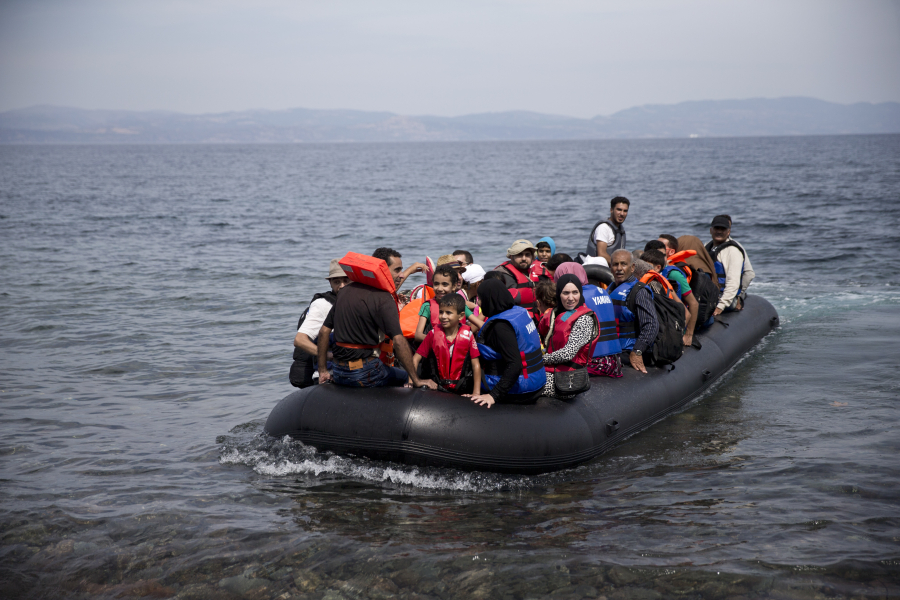
The lack of progress is felt acutely in Greece, which lies on the frontline of migration routes from Africa and Asia. With fewer resources directed to the regions that generate much of the migratory pressure, Greece faces intensified challenges at its borders and mounting social and economic strains at home. Meanwhile, the EU’s flagship Global Gateway initiative, designed to leverage private investment for major infrastructure projects abroad, has yet to clearly prioritize the poorest countries, further limiting the opportunities for Greek businesses to expand into emerging markets with significant growth potential. Instead, companies are left competing in more saturated, middle-income economies, where the developmental impact is smaller and the commercial environment tougher.
The Court has called on the Commission to present a dedicated action plan by 2026, setting out realistic targets, strengthening coordination with member states, and ensuring the financial sustainability of projects. For Greece, the stakes are high: the country has a strategic interest in seeing EU aid directed toward regions such as North Africa and Sub-Saharan Africa, where stability, economic opportunity, and reduced migration drivers would directly ease the pressures it now faces.