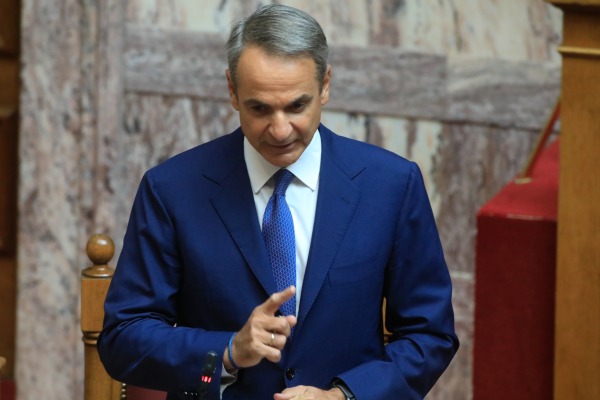
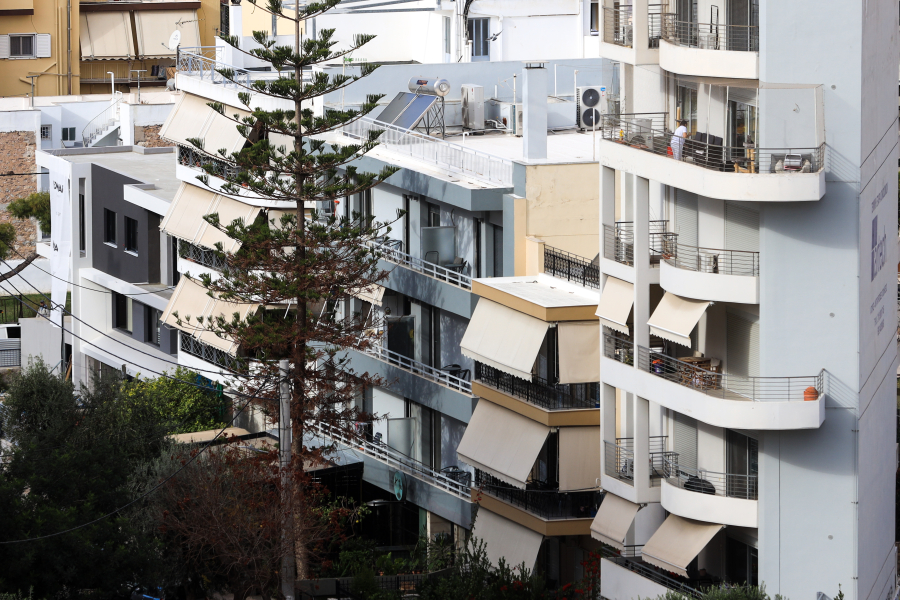

The Greek government is tightening restrictions on short-term rentals, sparking concern among Airbnb hosts and property owners. Prime Minister Kyriakos Mitsotakis announced at the Thessaloniki International Fair that he is prepared to expand a ban on new listings beyond Athens to other popular destinations, with a final decision expected within the next two months.
Authorities have already frozen new permits for central Athens and are considering similar measures for both mainland and island destinations where housing shortages have reached critical levels. At the same time, the Ministry of Tourism is enforcing strict new safety and quality requirements for properties listed on short-term rental platforms. According to government plans, the suspension on new Airbnb-style rentals will remain in place until at least 2027, in an effort to ease pressure on the housing market.
However, research from the Athens University of Economics and Business suggests that the impact of Airbnb may be far smaller than assumed. The study found that homes dedicated exclusively to short-term rentals account for just 0.4 percent of Greece’s total housing stock. It also showed that 94 percent of hosts are private individuals, most owning only one or two properties, and about half use their homes for personal stays during part of the year. Only a small minority—around nine percent—said they would consider switching their properties to long-term leases.
Starting on October 1, 2025, new regulations will require all short-term rental properties to meet hotel-style standards, including proper ventilation, air conditioning, liability insurance, fire safety systems, pest control certificates, and fully stocked first-aid kits. Inspections will be carried out by officials from the Ministry of Tourism and tax authorities, with property managers receiving advance notice. Police support may be called in if necessary.
Penalties for non-compliance are severe. Failure to meet the new standards or refusing entry to inspectors will result in a €5,000 fine. Repeat violations within a year will see the penalty double to €10,000, while further breaches could lead to fines of up to €20,000.
The government insists the measures are necessary to address a growing housing crisis, but critics argue that Airbnb plays only a marginal role in driving up rents and limiting housing supply.