
Greek authorities have uncovered a major money-laundering scheme that used legal betting companies as a front to channel illicit funds into the financial system. The Anti-Money Laundering Authority identified roughly 200 individuals, including senior public officials such as directors and department heads in ministries and state services, who allegedly took part in the operation. Investigators discovered that some of those involved were moving sums as high as one million euros under the guise of legitimate gambling activity.
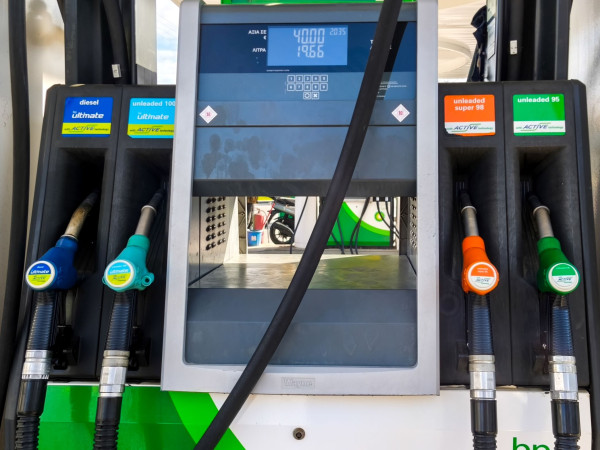
The mechanism was deceptively simple. A player would open an account with a licensed betting company and receive a personal code that allowed direct deposits. The company maintained partnerships with service providers whose agents operated out of everyday businesses like gas stations, convenience stores, and mini-markets. The player would hand large amounts of cash—often of unclear origin—to one of these agents, who then used the personal code to deposit the money into the player’s betting account. From there, the funds could be transferred into the player’s bank account and recorded as gambling winnings.
In practice, this meant that untraceable cash entered the banking system as if it were the product of successful betting. According to investigators, this method provided a cloak of legitimacy for money whose source could not otherwise be justified.
The Anti-Money Laundering Authority has informed the Hellenic Gaming Commission, the regulatory body responsible for overseeing the gambling sector, which is now expected to examine the matter further.