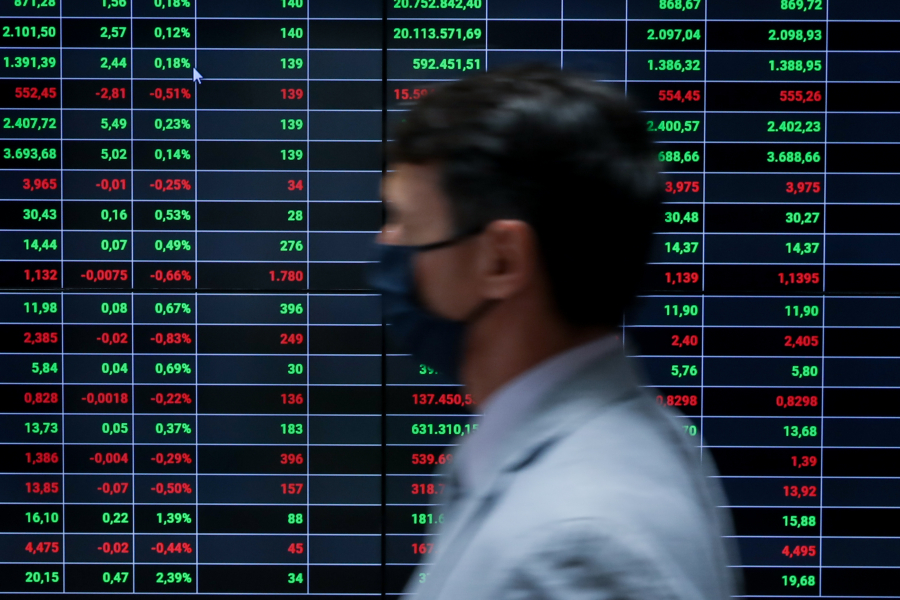

The yield on Greece’s 10-year bond is anchored at 3.4 percent, with the spread against the benchmark German Bund at 72 basis points, a level that has remained stable in recent weeks.
That calm contrasts sharply with developments elsewhere. Inflation concerns, trade policies from Washington, a surge in debt issuance and mounting fiscal strains have unsettled investors worldwide. Thirty-year yields in major markets are edging toward 5 percent, with UK gilts breaching that barrier to reach 5.75 percent, their highest since 1998. Japanese bonds are trading at historic levels, Australian 10-year yields have touched multi-month highs, and in the eurozone declines have been minimal.
The sell-off reflects fears over runaway government spending and inflationary risks, compounded by a flood of corporate bonds and questions about the independence of the U.S. Federal Reserve. Bloomberg’s index of global bond yields logged its steepest daily drop since June, while the long-maturity sub-index hit its highest level since 2009. September has become a pivotal month for France, with events there weighing heavily on the eurozone and spilling into global markets.
In Paris, Finance Minister Éric Lombard has gone so far as to warn that France may one day require support from the International Monetary Fund, a statement that rattled investors who had assumed political leaders would always avert a crisis at the last minute.
France has long benefited from leniency on its fiscal excesses, protected by its political influence and the once-dominant Franco-German axis that steered eurozone policy. But repeated waves of spending during the pandemic, the war in Ukraine, U.S. tariffs and President Emmanuel Macron’s bid to position France as the European Union’s leader have derailed the country’s budget. Official figures put government spending at 58 percent of GDP and the tax burden on workers at 47 percent, among the highest in the developed world. The deficit is expected to reach 5.7 percent of GDP this year, with debt forecast to exceed 113 percent once EU obligations are factored in.
This deterioration has not gone unnoticed. Investors are increasingly reluctant to lend, and French yields have already overtaken those of Greece and Portugal, two countries once at the center of the eurozone debt crisis. The prospect of a French crisis carries systemic risk. Banks are already under pressure, with shares in Société Générale falling 10 percent in less than a week and BNP Paribas down 8 percent. Hedge funds are reportedly betting against the sector, viewing short positions in large banks as a straightforward way to profit from fears of fiscal instability