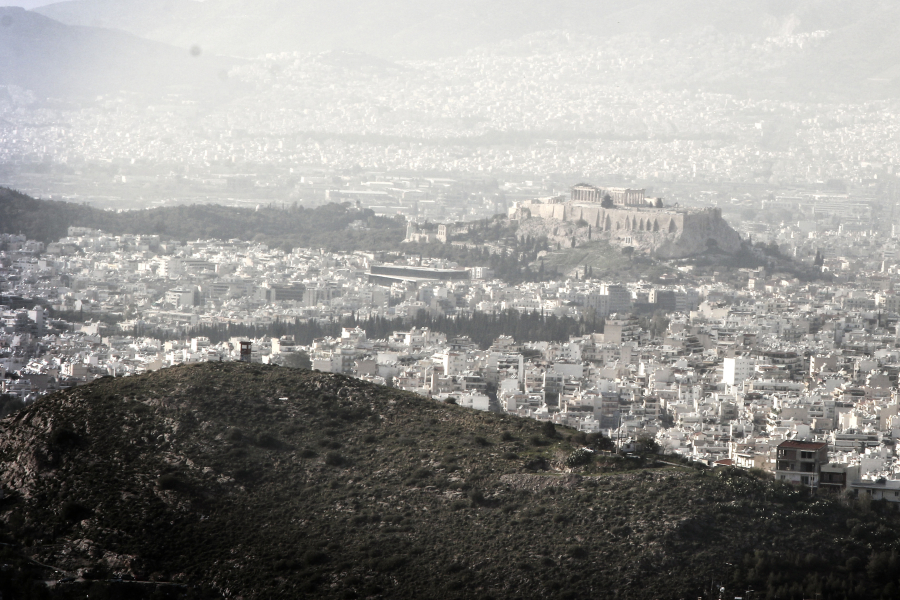

The survey shows that 20.5 percent of Greece’s population reported their household being affected by pollution, dirt, or other environmental problems—placing the country second only to Malta, where more than a third of residents voiced similar concerns. The EU average stood much lower, at 12.2 percent, while Croatia reported just 4.2 percent.
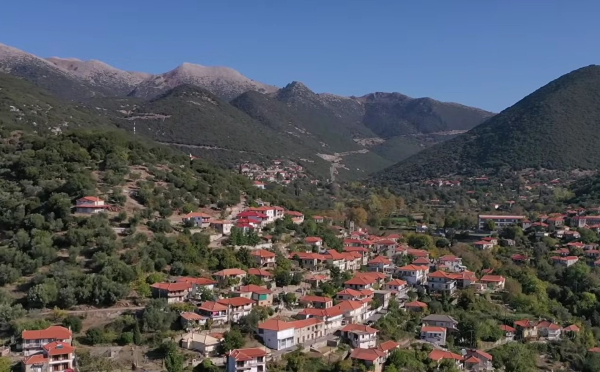
Environmental pressures in Greece are heavily concentrated in its cities. While rural households in the country reported among the lowest levels of disruption in Europe—only 2.8 percent said they were affected—residents of Athens, Thessaloniki and other urban centers paint a very different picture. The findings mirror broader EU trends, where environmental problems are most pronounced in densely populated areas, but the urban–rural divide in Greece is especially stark.
Noise pollution emerges as a parallel challenge. Across the EU, 18.2 percent of citizens said that noise from neighbors or traffic disturbed their households, a slight decrease from 2010. But in Greece, city dwellers are more than 30 percentage points more likely to report noise problems than people in the countryside, one of the sharpest contrasts anywhere in Europe.
Eurostat also points to the role of inequality. People at risk of poverty are consistently more likely to report problems with both pollution and noise compared with those who are financially secure. In 2023, the gap was 2.2 percentage points for pollution and 3.5 for noise.