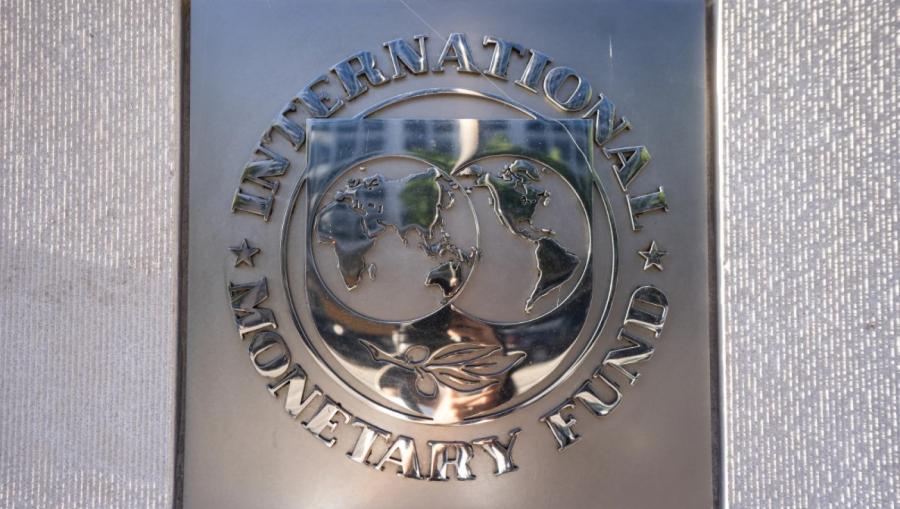

The International Monetary Fund has issued a detailed report on how and when governments should step in to support banks during severe financial crises—periods when the collapse of one or more major lenders threatens to destabilize the entire financial system. The IMF calls such intervention a “last resort” and notes it has been used in countries from Europe to Asia to shore up liquidity and avert systemic collapse, including during Greece’s debt crisis.
While the primary aim of state intervention is to restore depositor confidence and prevent widespread bank failures, the IMF warns that such rescues often come at a high cost to taxpayers and can foster risky behavior in the future. The report examines scenarios in which governments might recapitalize banks—injecting public money to strengthen their balance sheets—and the forms that support can take, from direct share purchases to more complex financial instruments. It emphasizes that this kind of aid should be restricted to institutions vital to the stability of the system, that shareholders and sometimes creditors should bear part of the losses, and that private capital should participate wherever possible to avoid placing the entire burden on the public purse.
The Fund also insists on transparency in decision-making, the prompt preparation of realistic restructuring plans, and the avoidance of measures that distort competition in the banking sector. It cites the United Kingdom’s approach, where the government’s stake in rescued banks is managed through a professional, politically independent body with a clear exit strategy, as a model of best practice.
The report draws comparisons with other countries’ mechanisms, including Greece, Ireland, Israel, and Ukraine. In all cases, the IMF says, state ownership of banks after a rescue should be temporary, guided by clear rules, professionally managed, and insulated from political interference to preserve stability without undermining market discipline.
One of the IMF’s strongest messages is that governments must recover taxpayer funds swiftly and effectively after a bailout. Delays, the report warns, erode public revenues and can force governments into fresh borrowing, increasing the burden on citizens. The Fund recommends tighter internal controls, rigorous monitoring, and public disclosure of recovery figures, along with legal action in cases of suspected misconduct.
Greece’s approach in this regard proved inadequate. The Hellenic Financial Stability Fund (HFSF), established with the mandate to manage state interventions in the banking sector, was unable to effectively safeguard public resources. It failed to preserve institutional independence from political influence and refrained from initiating legal proceedings against senior bank executives whose managerial failures contributed to substantial losses during periods of taxpayer-funded support. This absence of corrective action not only left critical issues of accountability unaddressed but also reinforced a broader perception of impunity within the Greek banking system.