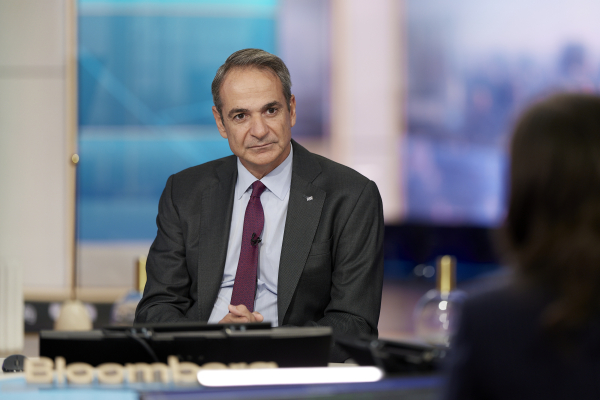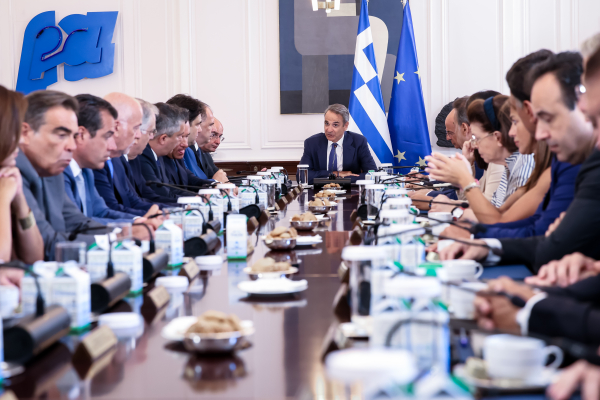
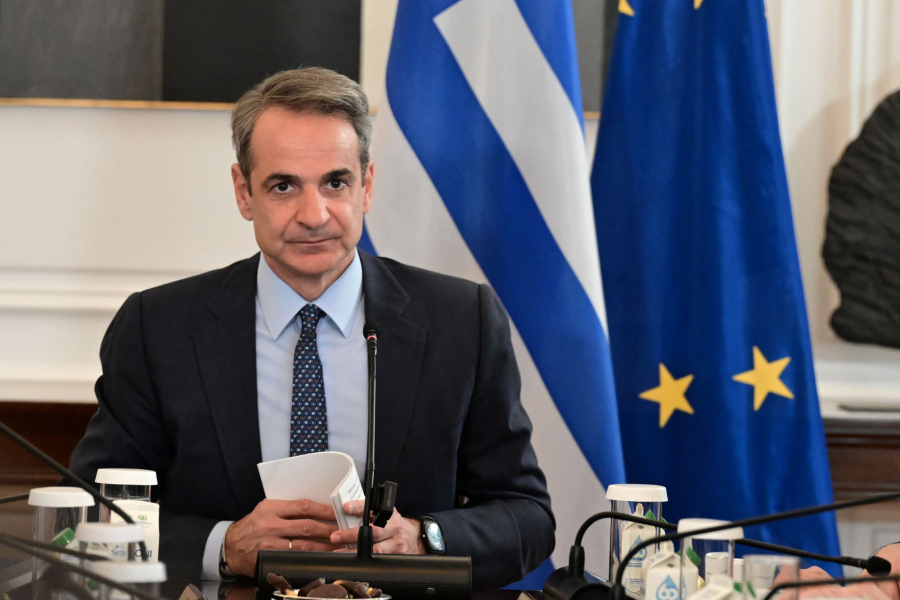

In a climate of growing frustration within the Greek business community and visible signs of fatigue across the market, Greece’s Government Council for Economic Policy will meet on Tuesday at the Maximos Mansion, chaired by Prime Minister Kyriakos Mitsotakis. While the official agenda focuses on boosting entrepreneurship and reducing bureaucratic obstacles, the session comes against the backdrop of a broader struggle to deliver effective economic policy after six years of governance.
Many of the reforms once heralded as key drivers of investment and efficiency have either stalled or failed to produce tangible results. A case in point is the creation of a "one-stop shop" for strategic investments, which aimed to simplify procedures. Instead of streamlining the process, it merely loosened licensing requirements—substituting binding legal documents with non-committal letters of intent. This shift raised concerns over sloppy planning and a lack of serious oversight, with no notable increase in strategic investments to show for it.
Perhaps more emblematic of the government's difficulties is the underwhelming performance of DIMEA, the agency that replaced the former market oversight body SYKEAP. Though it was launched with expanded powers and placed directly under ministerial authority, DIMEA has struggled to make an impact, particularly in areas such as the fight against illegal trade and counterfeit goods. As with other institutional initiatives, the gap between policy declarations and practical enforcement has been glaring.
Economic data from Greek chambers of commerce paint a bleak picture. More than 60% of retailers do not expect a recovery in 2025. This pessimism is especially pronounced among small businesses and in neglected parts of Attica, the greater Athens region. Many self-employed professionals and small- to medium-sized enterprises report seeing little benefit from the government’s announced policies. Even peak retail periods such as holidays and national sales have failed to generate meaningful revenues, deepening anxiety about the future of small business in Greece.
There is a striking contradiction at play. While the government continues to speak of “added value” and a “climate of trust,” confidence among business owners remains low. Nearly 60% of them express serious concern about the survival of their enterprises. The main sources of pressure—high taxation and escalating energy costs—remain unaddressed. According to recent surveys, 63.9% of businesses identify taxation as their most pressing problem, while 41.2% point to energy expenses. The government's responses have been seen as fragmented and insufficient.
Discontent also extends to the banking sector and the handling of multinational corporations. Over half of businesses polled—52.5%—view government measures toward the banks as ineffective, and nearly 90% want stronger regulatory interventions. While some welcomed recent fines imposed on multinationals, most regard them as largely symbolic and are calling for stricter inspections and measurable outcomes—especially when it comes to controlling prices.