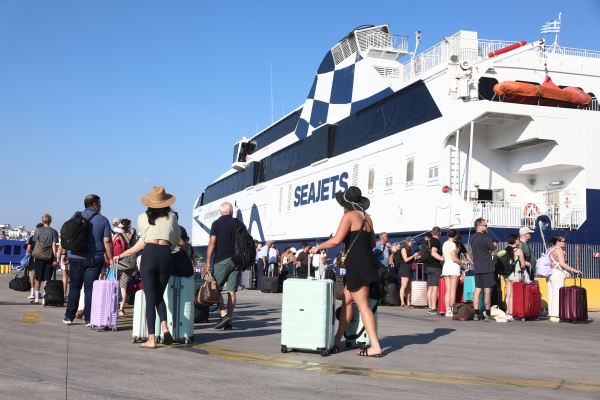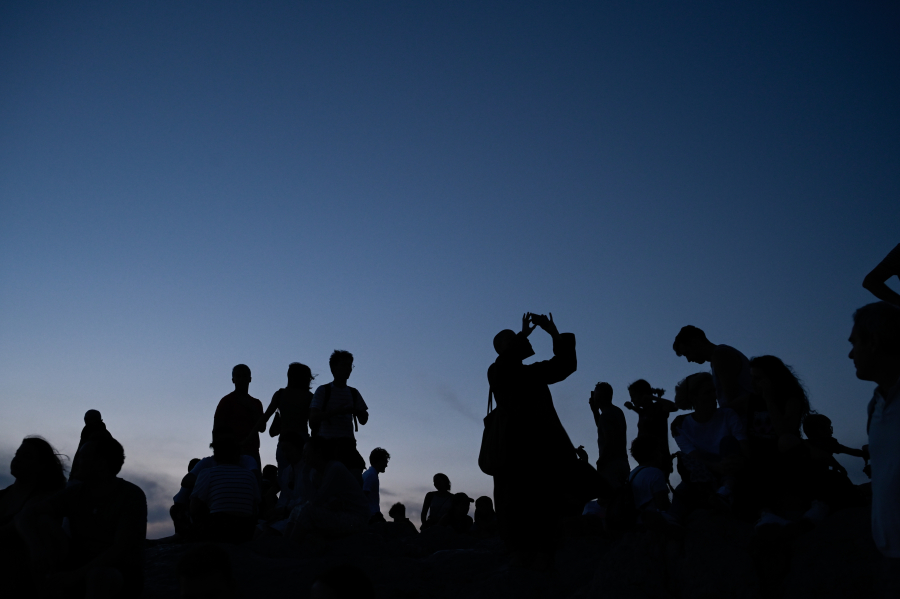

Athens is set to welcome nearly 10 million tourists in 2025, a record-breaking number that underscores the city's growing appeal as a global destination. Yet behind this impressive figure lies a more complicated story—one that reflects the mounting tension between economic growth and urban sustainability. As tourism fuels the capital’s economy, it is also reshaping the city in ways that threaten the everyday lives of its residents and the long-term resilience of its infrastructure.
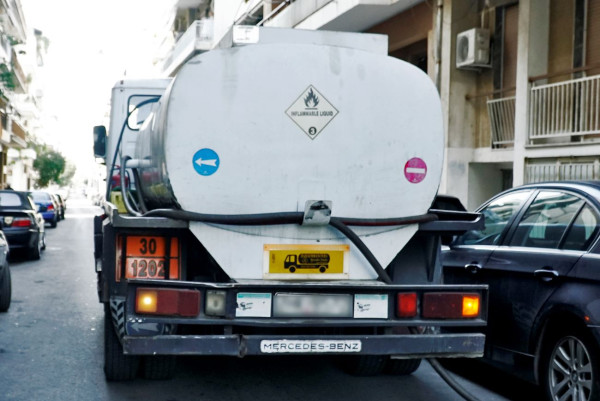
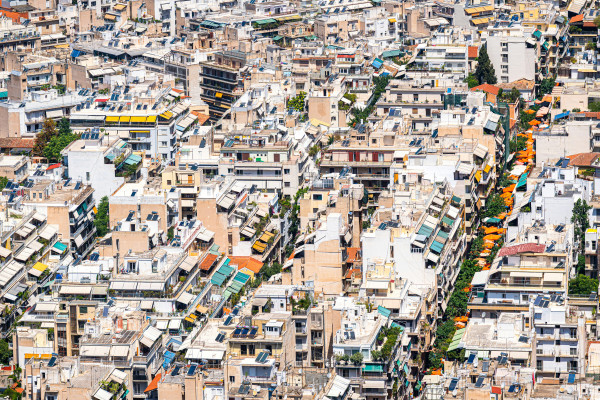
During the peak summer months, Athens begins to resemble a kind of “tourist Disneyland,” where public spaces, sanitation services, and natural resources operate under intense pressure. The atmosphere of a lived-in, local city is gradually giving way to a landscape designed for temporary stays. In the city’s central commercial triangle—from Syntagma Square to Athinas Street—up to 65 tons of waste are produced each day, a volume that exceeds what entire municipalities elsewhere in the region generate daily. Office buildings are being converted into short-term rentals, placing additional stress on the city's already aging water and sewage systems. Even with new investments in underground waste disposal systems and expanded cleaning staff, overflowing garbage bins and delayed collection have become familiar sights in many neighborhoods.
The challenges facing Athens are not unique. Across the world, cities that have experienced the surge of mass tourism are grappling with similar dilemmas. What is becoming increasingly clear is that simply placing limits on visitor numbers or banning cruise ships isn’t enough. These approaches have proven inadequate on their own. Instead, more thoughtful, innovative solutions are required—ones that engage both visitors and residents in creating a more sustainable balance.
Some cities are already experimenting with creative approaches. In Copenhagen, the “Kopenpay” program rewards tourists for adopting sustainable habits like cycling or volunteering in environmental efforts by offering free tours and services in return. The Faroe Islands have introduced an annual initiative called “Closed for Maintenance,” which opens access to certain tourist sites only to those willing to contribute volunteer labor for upkeep and restoration. In Hawaii, a long-term sustainability plan stretches through 2050, focusing on empowering local communities and redefining their relationship with the tourism industry.
For Athens, these examples offer more than inspiration—they present a roadmap. Sustainable tourism is no longer an aspirational goal for the city; it is a necessity. Redirecting tourist flows beyond the historic center, promoting lesser-known destinations within the Attica region, encouraging eco-conscious behavior among visitors, and involving local residents in shaping tourism policy will all be critical steps.