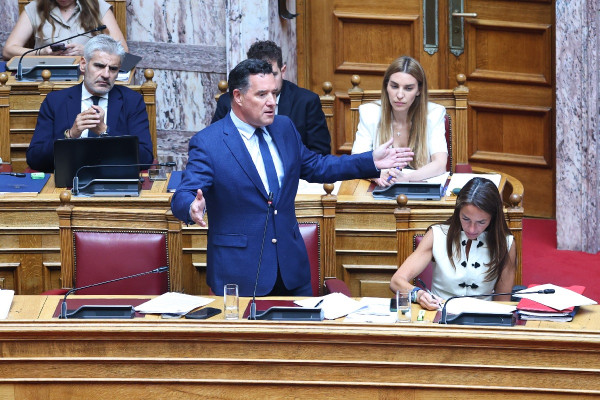

A dramatic night unfolded in the Greek Parliament on Wednesday as a debate over whether to launch a parliamentary inquiry into a major agricultural subsidy scandal erupted into chaos, walkouts, and accusations of institutional sabotage. The controversy centers on the OPEKEPE scandal—an alleged misuse of European funds—implicating two former ministers of the ruling New Democracy party, Makis Voridis and Lefteris Avgenakis.
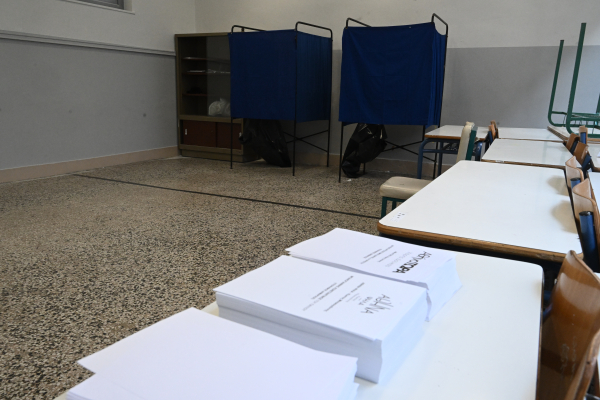
The opposition parties, led by PASOK and SYRIZA–New Left, had submitted motions to establish a preliminary investigative committee. However, the government’s handling of the vote drew intense criticism and led to a complete breakdown of parliamentary order. The ruling party allowed a “hybrid” form of voting, combining in-person and mail-in ballots, in what critics saw as an effort to avoid an unpredictable result during the constitutionally mandated secret ballot. This move was immediately challenged by opposition lawmakers, who argued that the physical absence of nearly the entire governing party delegation rendered the vote illegitimate.
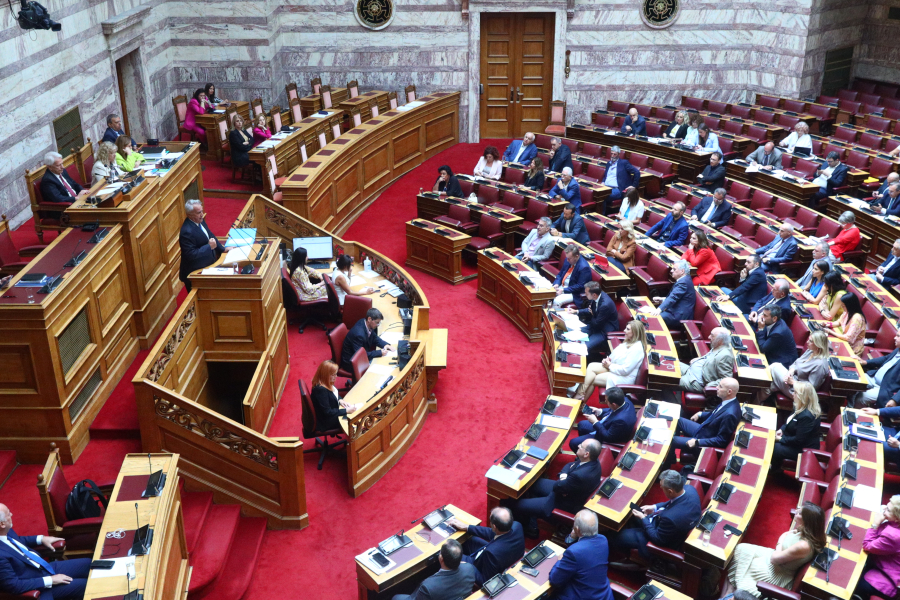
PASOK’s parliamentary representative, Dimitris Mantzos, called for a postponement, citing both the procedural irregularities and the violation of constitutional rules governing mail-in voting. As the clock ticked past midnight, only a handful of New Democracy MPs were physically present in the chamber. Despite this, the presiding officer, Giorgos Georgantas—also a member of the ruling party—rejected the objections, claimed a quorum was present, and proceeded with the vote. The entire opposition bloc walked out in protest, accusing the government of desecrating parliamentary procedure.
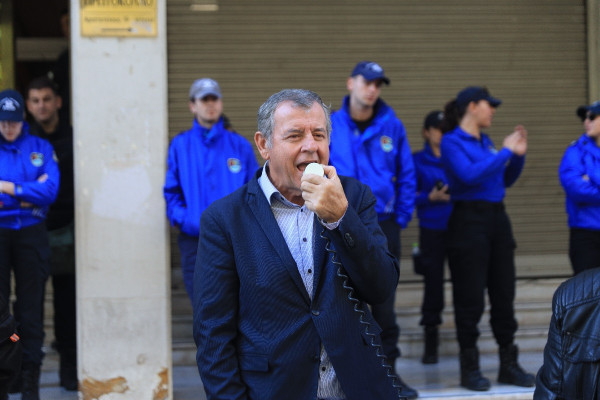
The session had been tense from the start, with Justice Minister Giorgos Floridis inflaming the situation by launching an unexpected attack on the opposition, accusing them of aligning with Turkey by supporting pro-Palestinian protests in Greek ports. His remarks drew immediate condemnation, with SYRIZA’s Socrates Famellos calling him “a disgrace to Greek democracy” and demanding his resignation. Other opposition parties echoed the call for his removal, further heightening the political temperature in the chamber.
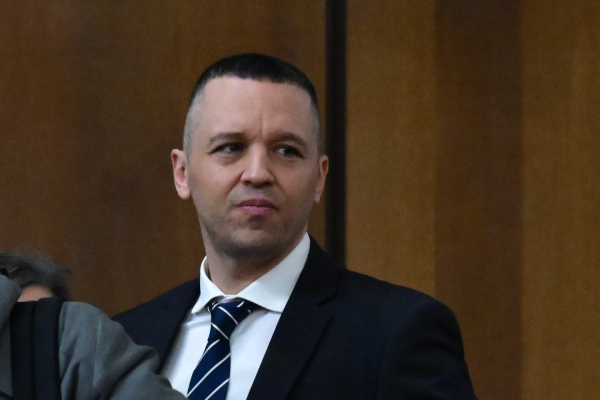
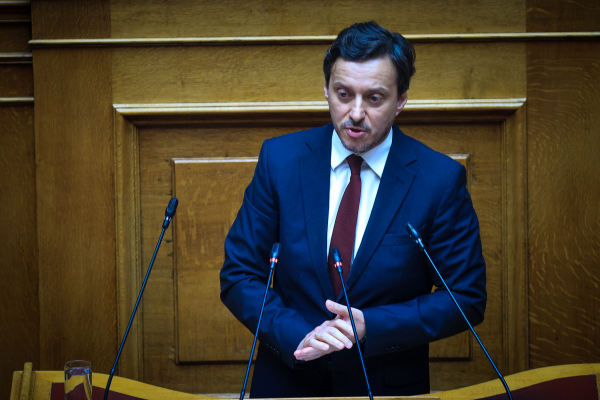
As the debate continued, the two former ministers at the center of the scandal appeared in Parliament to deny any wrongdoing. Voridis questioned how any “criminal offense” could have occurred through what he described as entirely legal actions, while Avgenakis claimed there was no evidence implicating him and insisted that the entire case lacked legal merit. Both are named in official judicial files with allegations of serious offenses, but the ruling party has sought to downplay the gravity of the charges.
Their statements triggered a coordinated counterattack from the opposition. Freedom Sailing leader Zoe Konstantopoulou accused Voridis of essentially admitting to crafting laws for self-protection, while opposition MPs across the political spectrum decried the government’s behavior as an attempt to whitewash a serious scandal and neutralize parliamentary accountability.
Despite more than twelve hours of debate and rising tension throughout the day, uncertainty reigned until the last minute. According to reports, many New Democracy MPs had left Parliament or were not even in Athens, convinced the party would boycott the vote. Others were seen dining out. The party leadership, seeking to maintain tactical ambiguity, gave no clear instructions to its MPs until late in the night, fueling confusion and internal friction.
Ultimately, the vote went ahead, with only New Democracy and a few independents participating. The opposition remained outside, refusing to legitimize what they termed a procedural farce. According to Greek constitutional rules, at least 151 affirmative votes are needed to establish such a committee. Given that the opposition controls a maximum of 145 seats, cooperation from the ruling party was crucial. By using mail-in ballots and citing quorum rules, New Democracy ensured the vote proceeded without opposition participation.
Government sources attempted to frame the opposition’s walkout as unprecedented, pointing out that even the parties that submitted the proposals abandoned the process. But opposition leaders fired back, calling the entire episode a brutal affront to democracy.