
The Greek surveillance scandal—often referred to as Predatorgate or the Greek Watergate—which has deeply rattled the country’s political institutions and rule-of-law framework, is set to return to court this September, with the long-delayed trial now scheduled for the 24th at the Single-Member Misdemeanor Court of Athens.
Originally slated for March 5, 2025, the case was postponed indefinitely after the defense requested additional time to translate key legal documents from English into Greek. The defendants, who do not speak Greek, argued that a fair trial would not be possible without full access to the evidence in a language they understand. This was the first time such a request had been raised in court, prompting judges to assign four translators to complete the task. Although proceedings were initially only suspended, they were eventually adjourned to allow for the translation of critical documents to be completed properly.
At the center of the case are the owners of two private intelligence and surveillance companies—Intellexa and Krikel—Felix Bitzios, Giannis Lavranos, Tal Dilian, and Sara Hamou. The trial marks a crucial turning point, as it will be the first time the scandal is examined in a public forum. Dozens of witnesses are expected to testify, shedding light on the full extent of the case. Legal experts note that this trial goes beyond criminal responsibility; it cuts into the core of Greece’s democratic institutions, raising profound concerns about the rule of law, state surveillance, and the protection of constitutional rights such as the confidentiality of communications.
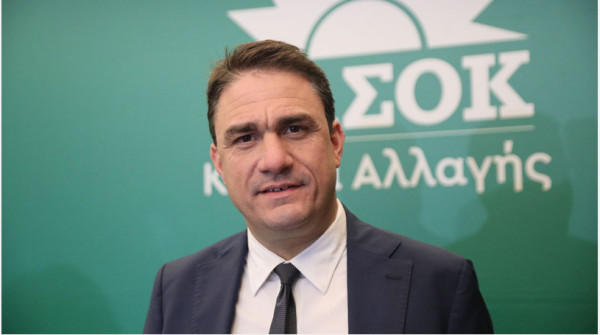
Among the civil claimants in the case are prominent public figures who were allegedly targeted by the spyware: Nikos Androulakis, the leader of Greece’s PASOK party and a sitting Member of the European Parliament; Christos Spirtzis, a former government minister; and investigative journalist Thanasis Koukakis.
They are expected to attend the proceedings once again, as they did during earlier hearings. The witness list includes more than fifty individuals, ranging from political figures to journalists and private citizens. Many of them played key roles in uncovering the surveillance network, which reportedly involved the use of sophisticated spyware tools to monitor phones of political opponents, journalists, and activists.
The court is also expected to hear testimony from Christos Rammos, the former head of Greece’s independent authority responsible for safeguarding communications privacy. During his tenure, Rammos conducted a thorough investigation into the surveillance scandal, a move that sparked considerable political backlash and drew attention from international observers concerned about democratic backsliding in Greece.